SpaceX Aims for Mars: Starship Set to Launch in Late 2026
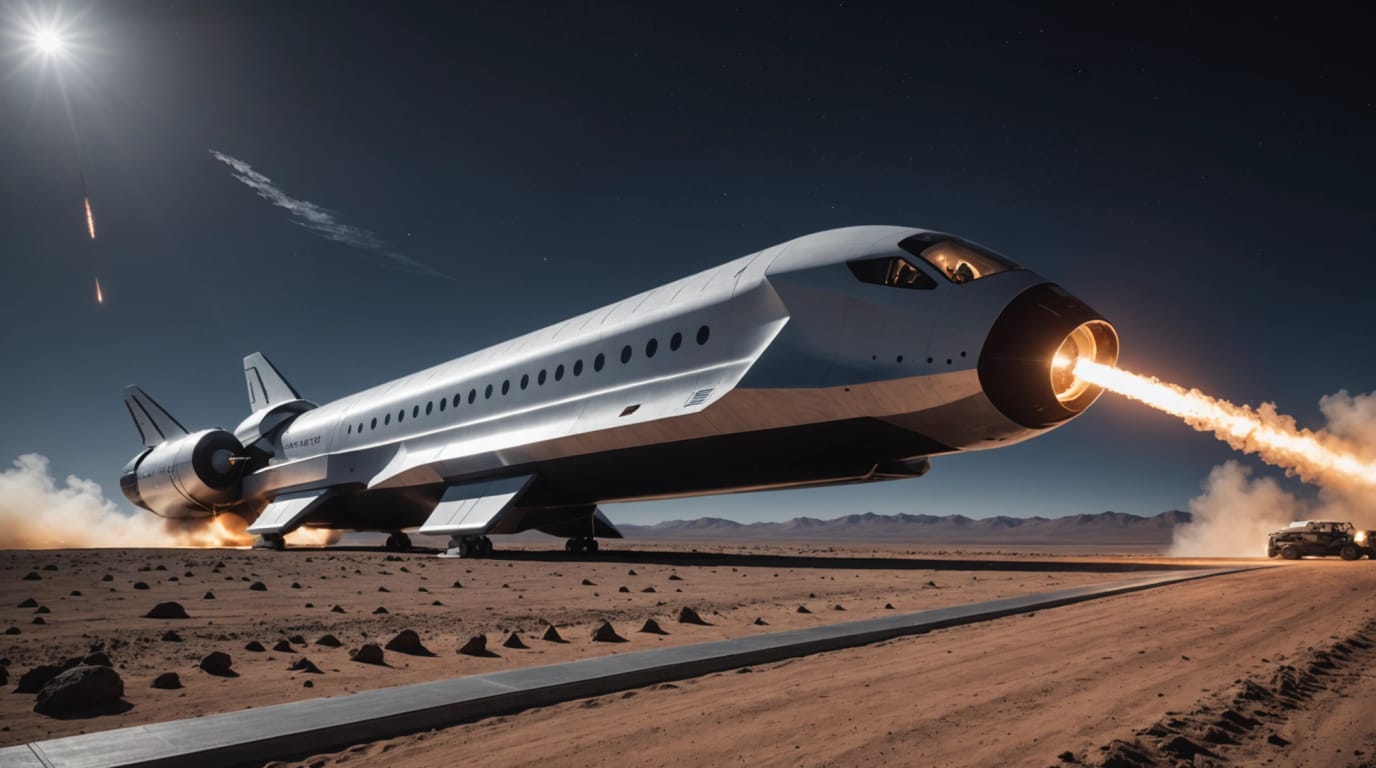
SpaceX CEO Elon Musk announced Saturday that the company's Starship rocket is slated to depart for Mars by the end of 2026, marking a significant step in his ambitious vision of colonizing the Red Planet. The mission will include Tesla's humanoid robot Optimus, potentially paving the way for future human settlements.
Starship's Martian Voyage
The announcement, made via a post on X, formerly Twitter, has reignited excitement surrounding SpaceX's long-term goals. Starship, the world's largest and most powerful rocket, is central to Musk's plans for establishing a self-sustaining colony on Mars. The 2026 launch window aims to capitalize on optimal orbital alignment between Earth and Mars, minimizing travel time and fuel consumption.
Optimus on Board
The inclusion of Tesla's Optimus robot on the mission signals a potential shift in how future Mars missions are conducted. Optimus, designed for a variety of tasks ranging from manufacturing to general assistance, could play a crucial role in setting up infrastructure and resource utilization on Mars before human arrival. This approach aligns with Musk's vision of automating key processes to reduce risks and costs associated with early Martian settlements.
Human Landings on the Horizon
Musk has suggested that human landings on Mars could follow as early as 2029, contingent on the success of initial unmanned missions. However, he tempered expectations by stating that 2031 is a more realistic timeframe. Achieving human landings within this decade would be a monumental achievement, requiring significant advancements in propulsion, life support systems, and radiation shielding.
Starship's Development and Challenges
Starship's development has been marked by both successes and setbacks. Multiple test flights of the Starship prototype have taken place, with several ending in explosions. Despite these challenges, each test has provided valuable data, allowing SpaceX engineers to refine the design and improve the rocket's performance. A recent test flight earlier this month ended in a fiery explosion, highlighting the risks involved in pushing the boundaries of space technology. Overcoming these challenges is crucial for ensuring the safety and reliability of future Mars missions.
NASA's Artemis Program and Starship
NASA is also relying on a modified version of Starship as a lunar lander for its Artemis program, which aims to return astronauts to the Moon this decade. This collaboration underscores the importance of Starship in enabling deep space exploration and highlights the potential for synergy between government and private sector initiatives. The success of the Artemis program could provide valuable experience and technologies that could be applied to future Mars missions.
Implications for the Future of Space Exploration
SpaceX's ambitious plans for Mars have far-reaching implications for the future of space exploration. If successful, these missions could pave the way for establishing a permanent human presence beyond Earth, opening up new frontiers for scientific discovery and resource utilization. The development of Starship and related technologies could also revolutionize space travel, making it more accessible and affordable. However, ethical considerations surrounding planetary protection and the potential impact of human activities on Martian environment must also be carefully addressed.
Conclusion
The announcement of Starship's planned departure for Mars in late 2026 represents a bold step towards realizing humanity's long-held dream of becoming an interplanetary species. While significant challenges remain, SpaceX's commitment to innovation and its track record of pushing technological boundaries suggest that this ambitious goal may be within reach. The coming years will be critical in determining whether Starship can overcome the remaining hurdles and pave the way for a new era of space exploration.


