SpaceX Delays Mission to Retrieve Stranded Astronauts from ISS
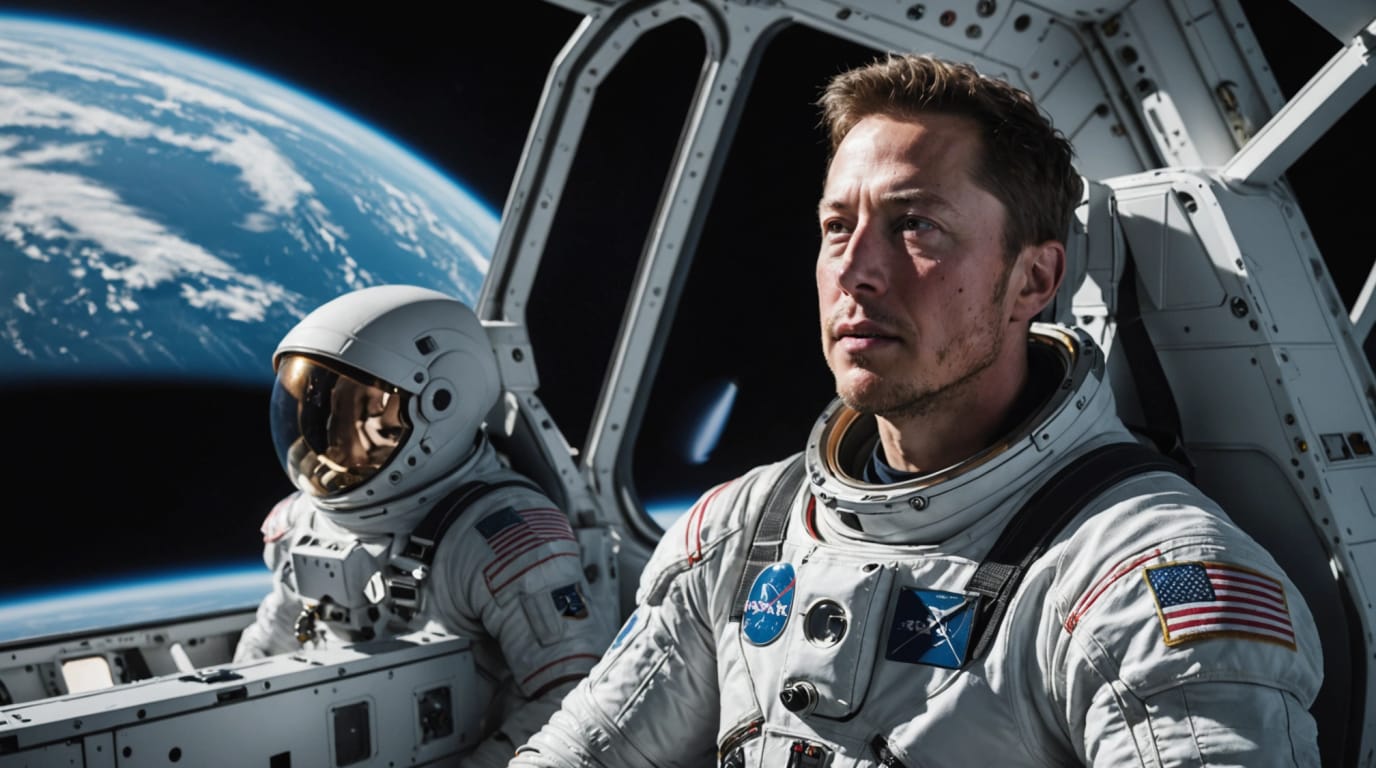
The planned SpaceX launch to the International Space Station (ISS), intended to bring home NASA astronauts Sunita Williams and Butch Wilmore, has been delayed due to a last-minute technical issue. The delay further extends the astronauts' unexpectedly long stay in orbit, which began in June of last year.
The mission, dubbed Crew-10, was scrubbed less than four hours before its scheduled launch Wednesday evening from Kennedy Space Center in Florida. The issue involved a hydraulic system on the launchpad responsible for retracting an arm that secures the Falcon rocket to its support structure. While the rocket and spacecraft themselves were reportedly in good condition, SpaceX called off the launch for the day, leaving the replacement crew grounded and the stranded astronauts waiting longer for their return.
Hydraulic Issue Halts Launch
The specific problem centered on the ground-side hydraulic system that controls the release of one of two arms holding the Falcon rocket in place. This arm must retract just before liftoff to allow for a safe launch. Technicians identified the issue during the final countdown, prompting a hold and subsequent cancellation of the launch. NASA launch commentator Derrol Nail confirmed that the problem was isolated to the ground system, stating that the rocket and spacecraft were unaffected. The four astronauts assigned to Crew-10 were already secured in their capsule when the decision to postpone the launch was made.
The delay's impact extends beyond the immediate inconvenience. Williams and Wilmore have been aboard the ISS for approximately nine months, far exceeding their initial planned mission duration of about a week. Their extended stay is a direct consequence of issues with Boeing's Starliner capsule, which they piloted to the ISS as part of its first crewed test flight.
Starliner Troubles Lead to Extended Stay
Williams and Wilmore's journey to the ISS was intended to be a short test flight of Boeing's Starliner spacecraft. However, once in orbit, the Starliner experienced a series of technical malfunctions, including helium leaks and propulsion problems. NASA deemed it too risky for the astronauts to return to Earth on the Starliner, leading to the decision to extend their mission and arrange for their return via a SpaceX capsule. The Starliner capsule eventually returned to Earth without its crew.
NASA's decision to use SpaceX to retrieve the stranded astronauts highlights the complexities and redundancies built into the space program. While Boeing's Starliner was intended to provide an alternative transportation system to the ISS, its current challenges have underscored the importance of having multiple options for crew transport.
Political Implications and Expedited Mission
The delay in the astronauts' return has also taken on political overtones. Some have criticized the situation, with unsubstantiated claims linking the delay to political factors. NASA had originally scheduled the Crew-10 launch for later in March but expedited the mission by utilizing a SpaceX capsule that was ready sooner. This decision reflects the urgency to bring Williams and Wilmore home after their unexpectedly long mission.
The Crew-10 mission is led by NASA astronaut Anne McClain and includes members from Japan and Russia. The mission's primary objective is to relieve Williams and Wilmore, allowing them to return to Earth after their extended stay. Once the handover is complete, Williams, Wilmore, and the rest of Crew-9 will return to Earth. Their departure was initially scheduled for March 16 if Wednesday’s launch had proceeded as planned. However, with SpaceX postponing the liftoff, it’s unclear how much their return date will be affected.
Looking Ahead
SpaceX engineers are currently working to resolve the hydraulic system issue on the launchpad. The company has not yet announced a new launch date, but officials are hopeful that the problem can be fixed quickly, potentially allowing for a launch attempt as early as Thursday night, subject to weather conditions and the completion of repairs. The safe return of Williams and Wilmore remains a top priority for NASA and SpaceX. The incident underscores the inherent risks and challenges of space travel, even with established and experienced partners.


