SpaceX Launches Crew to Retrieve Stranded Astronauts from ISS
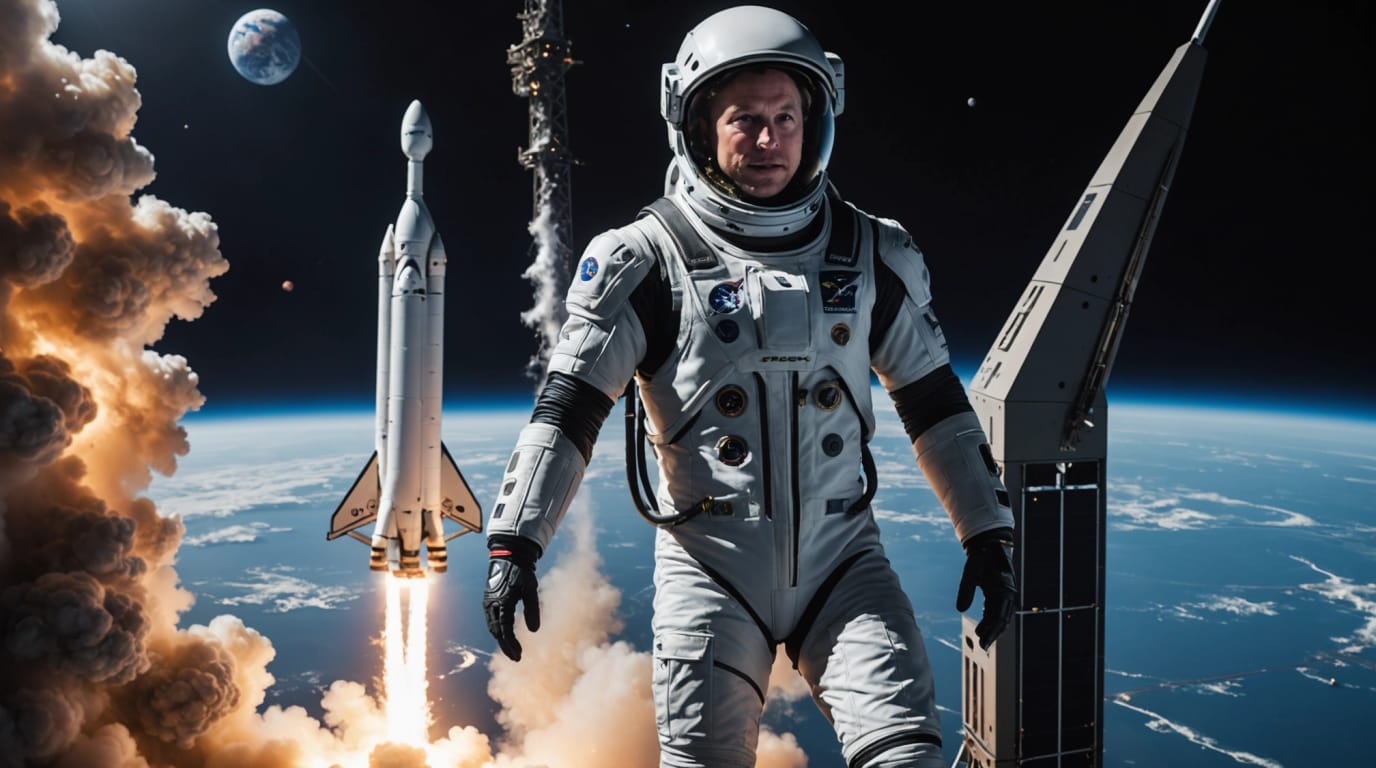
CAPE CANAVERAL, Fla. — A SpaceX Falcon 9 rocket successfully launched Friday night, carrying a replacement crew to the International Space Station (ISS) and setting the stage for the return of two NASA astronauts who have been unexpectedly stranded in orbit since June. The launch, a collaborative effort between SpaceX and NASA, took place from the Kennedy Space Center, marking a crucial step in resolving a protracted situation caused by complications with Boeing's Starliner capsule.
Crew-10 Mission Details
The SpaceX Dragon spacecraft, propelled by the Falcon 9 rocket, is carrying four astronauts: NASA's Anne McClain and Nichole Ayers, Japan's Takuya Onishi, and Russia's Kirill Peskov. McClain and Ayers are both military pilots, while Onishi and Peskov are former airline pilots. This Crew-10 mission will relieve NASA astronauts Butch Wilmore and Suni Williams, along with Roscosmos cosmonaut Aleksandr Gorbunov and NASA astronaut Nick Hague, who have been aboard the ISS for an extended period. The new crew is expected to reach the ISS late Saturday, initiating a handover period before Wilmore, Williams, Hague, and Gorbunov return to Earth.
Stranded by Starliner
Wilmore and Williams' extended stay on the ISS began with what was intended to be a brief, week-long test flight of Boeing's new Starliner capsule, launching from Cape Canaveral on June 5. However, the mission encountered a series of significant issues, including helium leaks and thruster failures, which led to an extensive investigation by NASA and Boeing. Ultimately, NASA deemed it unsafe for Wilmore and Williams to return on the Starliner. The capsule was sent back to Earth unmanned in September. NASA then reassigned Wilmore and Williams to a SpaceX flight for their return journey, which was initially scheduled for February.
Return Delayed
The return of Wilmore and Williams faced further delays when SpaceX's capsule required extensive battery repairs. This pushed the launch of their replacement crew, initially planned for Wednesday, back to Friday. A hydraulic ground issue halted the mission just minutes before the initial planned takeoff. NASA livestreamers reported a 95% chance of favorable weather conditions for Friday's launch, expressing optimism despite minor concerns about cumulus clouds.
Research and Activities Aboard ISS
During their six-month stay on the ISS, Crew-10 will conduct a variety of research, technology demonstrations, and maintenance activities in the microgravity laboratory, according to NASA. The overlap between the outgoing and incoming crews will allow Wilmore and Williams to brief the newcomers on ongoing activities and experiments aboard the orbiting station.
Homeward Bound
With the successful launch of Crew-10, Wilmore, Williams, Hague, and Gorbunov are now scheduled to return to Earth as soon as Sunday, weather permitting. They will be escorted back in another SpaceX Dragon spacecraft. Their extended mission, initially intended to last only a week, has stretched to nine months, highlighting the challenges and complexities of space travel. The two empty seats on the rescue mission that launched in September were reserved for Wilmore and Williams on the return leg.
The successful launch of SpaceX's Crew-10 marks a significant milestone in ensuring the continued operation of the International Space Station and the safe return of stranded astronauts. The mission underscores the importance of redundancy and adaptability in space exploration, as well as the collaborative efforts between private companies like SpaceX and government agencies like NASA in overcoming unforeseen challenges.


