Spain Grapples with Unprecedented Climate Extremes as Fires Rage Near Flash Floods
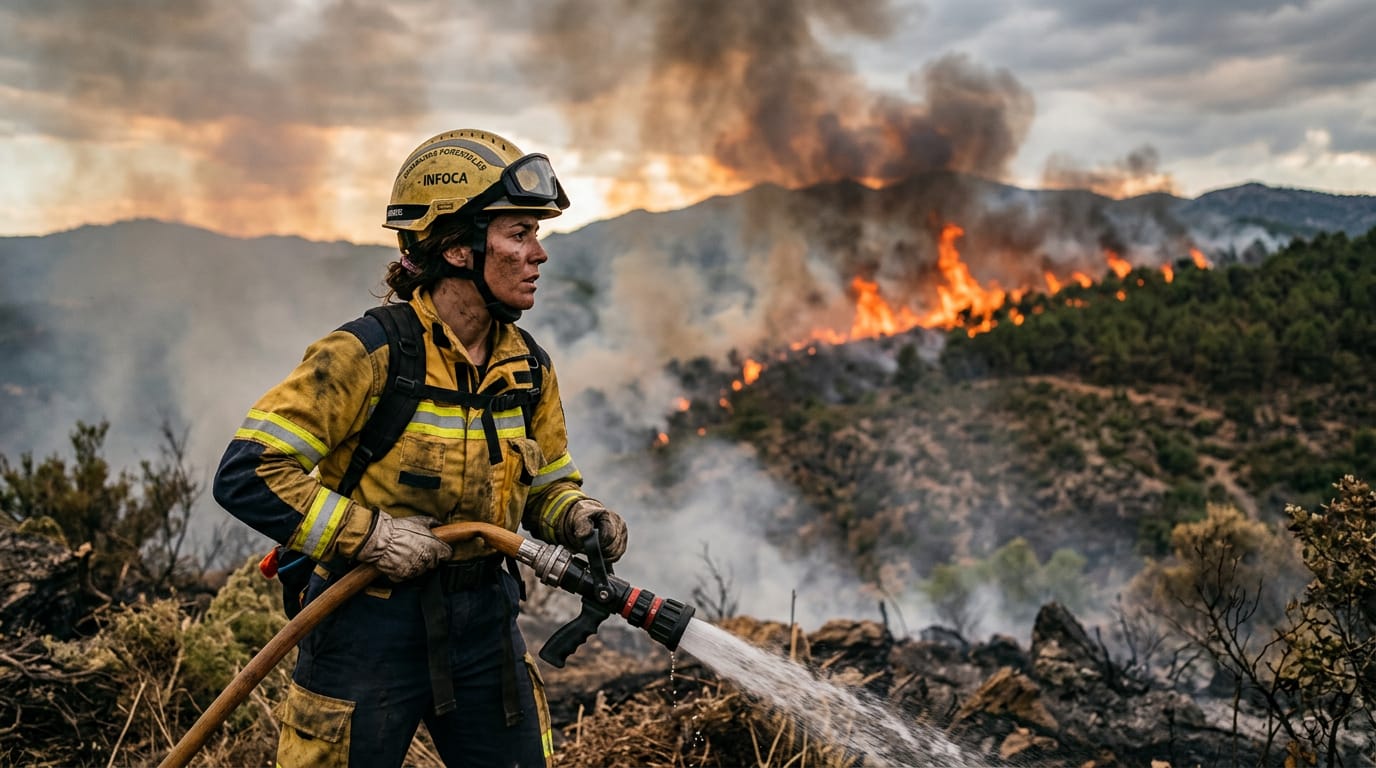
Spain is enduring a summer of stark and devastating climatic contrasts, with large swathes of the country simultaneously battling raging wildfires and contending with violent flash floods. This duality of destruction has stretched emergency services thin and left communities reeling, serving as a visceral illustration of escalating climate challenges across the Iberian Peninsula. In late August, as firefighters struggled to contain a significant forest fire near Gátova in the Valencia region, torrential downpours on the nearby Costa Dorada unleashed sudden floods, resulting in injuries and further complicating the emergency response. This immediate geographic juxtaposition underscores a broader pattern of extreme weather events that have defined Spain's 2026 summer, marked by record-breaking heat, devastating blazes, and a series of destructive deluges.
The Dual Calamity: Fire and Water in Unsettling Proximity
The convergence of fire and flood in late August highlights the capricious nature of Spain's current weather patterns. As plumes of smoke billowed from the forest fire near Gátova in Valencia, forcing the evacuation of approximately 1,000 people, just a short distance away on the Costa Dorada, heavy rains transformed streets into torrents, causing injuries and significant disruption. This incident is not isolated; earlier in the month, on August 15, a flash flood and landslide in Manzanedo de Valdueza, a mountain village in northwestern Spain, claimed the lives of two elderly women and injured two infants. That tragedy unfolded after weeks of record-breaking heat and a relentless wildfire season, signaling a dangerous pattern where parched landscapes are suddenly inundated by intense precipitation, leading to exacerbated erosion and runoff. The unusual timing and proximity of these events underscore the growing unpredictability of weather systems, leaving little respite for affected regions.
Spain Ablaze: A Summer of Record Wildfires
The forest fires gripping Spain throughout July and August 2026 have been among the most destructive in recent memory, consuming vast tracts of land and exacting a heavy human toll. By August 18, nearly 297,000 hectares had been incinerated across the country, making 2026 one of the worst wildfire seasons on record. The sheer scale of the blazes has dwarfed previous years, with the area burned by early August being six times larger than that recorded during the same period in 2025.
One of the deadliest incidents occurred in July in the Almería Province of Andalusia, where a wildfire near Los Gallardos, Bédar, and Sorbas resulted in 14 fatalities, 17 injuries, and 10 people reported missing. This blaze, fueled by high temperatures, low humidity, and strong winds, burned approximately 7,000 hectares and became the deadliest wildfire in Andalusian history and the third deadliest in Spanish history. Thousands were evacuated as the fire rapidly spread, overwhelming firefighting efforts.
Further north, in July, a fire in Sierra Norte Natural Park in Guadalajara scorched over 32,000 hectares. Simultaneously, a massive blaze formed in the Ávila and Madrid provinces when two separate fires merged, consuming 15,000 hectares and forcing the evacuation of 60,000 people. Spanish officials described this particular fire as "beyond the capacity of firefighters to contain." In August, a major wildfire near Niebla in Huelva province affected over 33,000 hectares, marking it as the second-largest wildfire in Andalusia this year before it was finally stabilized by August 16. These relentless infernos have placed immense strain on Spain's emergency resources, pushing firefighters and civil protection teams to their limits.
The Deluge's Fury: Flash Floods Batter Diverse Regions
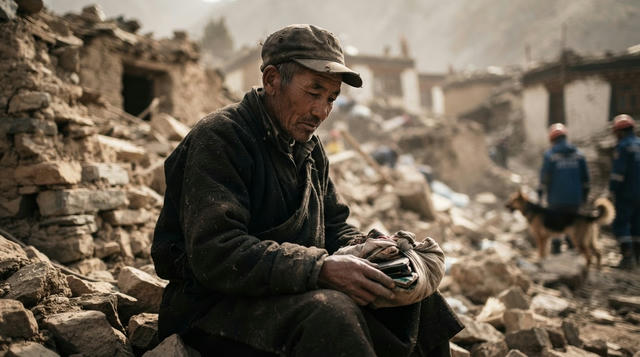
While wildfires dominated headlines, periods of intense rainfall have triggered a series of destructive flash floods across various parts of Spain throughout 2026. The year began with severe flooding in late December 2025 and early January 2026, affecting Murcia, the Valencian Community, and Andalusia, and claiming three lives. This was followed by widespread inundations across the Iberian Peninsula in early 2026 due to storms Kristin, Leonardo, and Marta, which necessitated the evacuation of hundreds of thousands of people.
May brought further chaos when a severe hailstorm and flash floods devastated Madrid and Eastern Spain. Notably, Los Alcázares in Murcia recorded nearly 60 liters per square meter of rain in just one hour, turning roads into raging rivers and disrupting daily life. The latest significant flooding event occurred on August 20, when a powerful severe weather outbreak swept across Murcia, Valencia, Albacete, and Catalonia. Torrential rains led to sudden flash flooding, and destructive downburst winds, reaching speeds of 143 kilometers per hour in Alzira, Valencia, caused structural damage to buildings. These recurring episodes of extreme precipitation highlight the vulnerability of urban and rural areas to rapid onset floods, often following periods of intense drought that harden the ground and reduce its ability to absorb water.
A Nation Under Climate Strain
The concurrent and often geographically proximate crises of wildfires and flash floods are increasingly being linked to broader climate patterns and a changing global climate. Scientists report that extreme heat and drought conditions, which fueled this summer's devastating fires, were at least 20 times more likely due to global heating. Spain has experienced multiple severe heatwaves in 2026, with temperatures frequently soaring to record highs, exacerbated by phenomena like heat domes trapping hot air from the Sahara Desert. These prolonged periods of heat desiccate vegetation, turning landscapes into tinderboxes.
The transition from extreme dryness to intense rainfall, often referred to as "whiplash conditions," is also a concerning trend. A wet winter can spur lush vegetative growth, which then dries out rapidly under scorching summer heat, providing ample fuel for fires. When these parched areas are then hit by sudden, heavy downpours, the hardened, fire-scorched earth struggles to absorb water, leading to destructive surface runoff, erosion, and flash floods. This cycle places immense pressure on emergency services, who must pivot rapidly between fighting fires and rescuing flood victims, highlighting a critical need for enhanced disaster preparedness and climate adaptation strategies.
Spain's summer of 2026 serves as a stark warning about the compounding effects of climate change. The continuous onslaught of both fire and flood has tested the resilience of communities, strained national resources, and underscored the urgent need for comprehensive strategies to adapt to a new climate reality. As the country looks toward recovery, the immediate challenge remains managing the ongoing crises while simultaneously planning for a future where such extreme weather events are predicted to become more frequent and severe. The paradox of water and fire battling for dominance across the Spanish landscape paints a vivid picture of the climate emergency unfolding in real-time.