Spain Initiates Urgent Mainland Transfer for 500 Vulnerable Migrant Youths from Ceuta
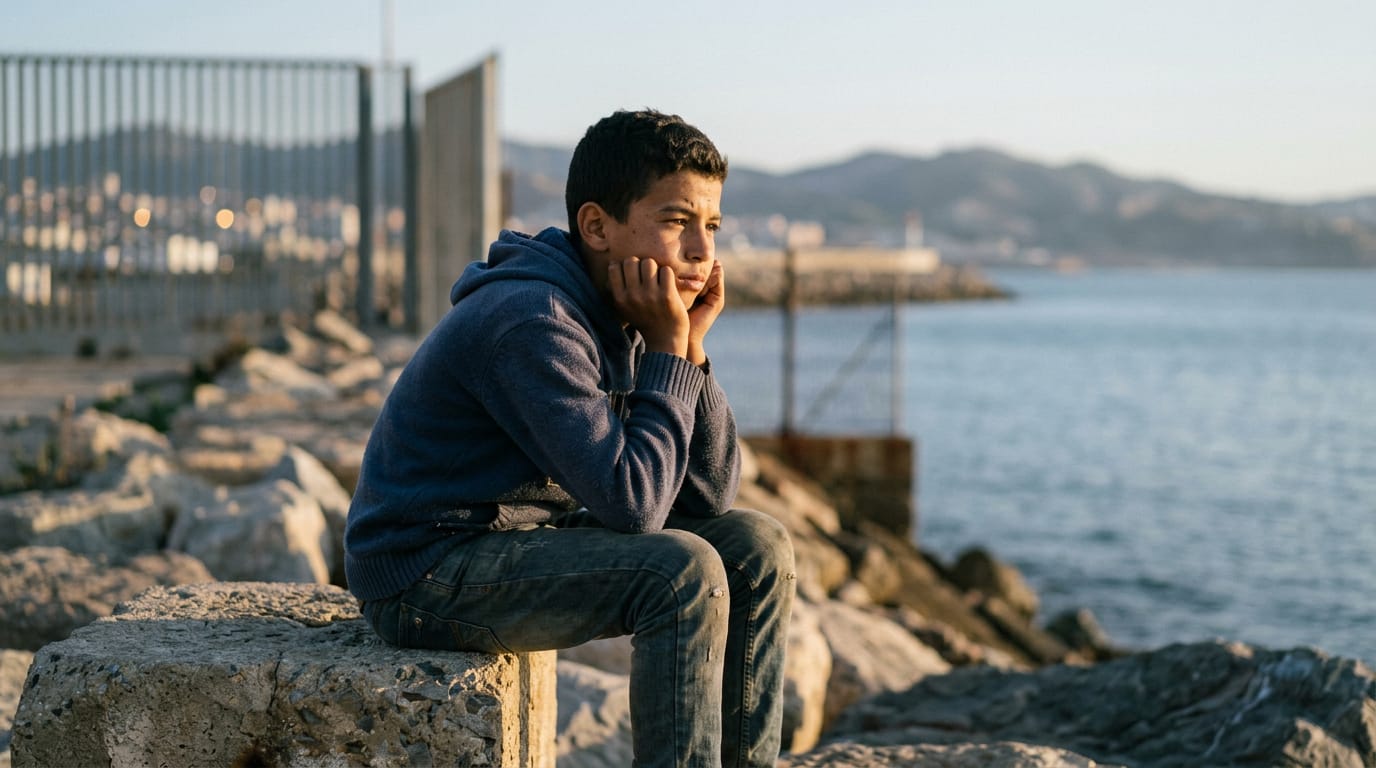
MADRID – Spain's central government has announced plans to urgently transfer approximately 500 vulnerable unaccompanied migrant youths, primarily girls, from the overburdened North African enclave of Ceuta to specialized facilities on the Spanish mainland. The humanitarian operation comes in response to a critical situation in Ceuta, where thousands of minors have been left stranded and at extreme risk following an unprecedented influx of migrants in late July. The move signals a significant government intervention to address the welfare of these children, who have been living in precarious conditions amid stretched local resources.
Ceuta's Unprecedented Crisis and Lingering Vulnerability
The decision follows a tumultuous period at the end of July when an estimated 70,000 migrants, predominantly from Morocco, surged into Ceuta, overwhelming the small Spanish enclave. While the vast majority of these individuals were subsequently returned to Morocco, an estimated 1,000 to 2,000 unaccompanied minors remained, creating a profound humanitarian crisis within the city. Local reception facilities, designed to accommodate around 600 people, were quickly saturated, leaving many children with no option but to sleep on streets, beaches, or in crowded warehouses.
Humanitarian organizations, including Save the Children, highlighted the severe risks faced by these minors, reporting instances of children as young as seven living without supervision. The chaotic conditions significantly increased their vulnerability to trafficking, violence, and exploitation. Alarming reports emerged of sexual assault complaints, many involving minors, underscoring the urgent need for protection. Equality Minister María Guijarro warned that migrant girls and women faced an "extreme risk" of sexual and physical violence and trafficking, a concern amplified by a notable increase in the proportion of juvenile migrant girls seeking asylum.
Madrid's Humanitarian Mandate and Policy Shift
The planned transfer represents a critical policy adjustment for Madrid, which initially sought to return all irregular migrants, including minors, to Morocco. However, Spanish law mandates the protection of unaccompanied minors, obliging the state to care for children under 18. This legal obligation, combined with the escalating humanitarian concerns in Ceuta, prompted the Ministry of Youth and Childhood to collaborate with Ceuta authorities on a reception plan.
The focus on transferring approximately 500 vulnerable youths, particularly girls, highlights the government's recognition of the heightened risks faced by this demographic. The Spanish government has also earmarked 25 million euros to assist minors in Ceuta, demonstrating a significant financial commitment to alleviate the immediate crisis. This humanitarian response comes despite differing viewpoints regarding European Union migration regulations, which some interpretations suggest allow for the return of unaccompanied minors. However, Spain's Ministry of Inclusion, Social Security, and Migration has reiterated the nation's commitment to international law and ensuring the "best interests of the child."
Logistical Hurdles and Integration Challenges Ahead
The transfer operation is not without its complexities. The Ministry of Youth and Childhood is exploring various options for accommodating the children on the mainland, including specialized facilities, foster care, and arrangements with child-protection organizations. A proposed royal decree aims to establish a mandatory and solidarity-based reception system across Spain's autonomous communities. This measure seeks to address the reluctance expressed by some regional governments, particularly those jointly governed by conservative and far-right parties, to accept their quota of unaccompanied minors. These communities have been criticized by the central government for a perceived lack of "solidarity."
A key aspect of the plan is to enable the children's reception in tailored facilities without necessarily transferring legal guardianship to the autonomous communities, thereby streamlining the process and minimizing potential administrative friction. However, the long-term integration of these youths presents significant challenges. Past experiences indicate that many unaccompanied minors struggle to fully integrate into Spanish society before reaching the age of 18, at which point state guardianship ceases. Issues such as delays in documentation processing, insufficient resources in protection centers, and societal stigmatization often hinder their access to education, healthcare, and employment, increasing their vulnerability to isolation and irregular legal status.
The Broader Context of Spain's Migration Challenge
Ceuta, alongside Melilla, serves as a critical entry point into Europe for migrants from Africa, positioning Spain at the forefront of ongoing migration challenges. The recent mass entry was partly fueled by false social media narratives suggesting an "open border," which exacerbated the chaotic crossings. The incident also reignited historical tensions and diplomatic discussions concerning the sovereignty of the enclaves.
Spain's efforts to manage the influx of migrants, particularly unaccompanied minors, highlight the intricate balance between border control, international legal obligations, and humanitarian responsibilities. The continuous arrival of young individuals seeking better opportunities, often fleeing dire circumstances in their home countries, places immense pressure on Spain's social services and integration programs. The need for comprehensive support, including psychological assistance for those who have experienced trauma, and robust educational and vocational training, remains paramount for successful integration.
The planned transfer of 500 vulnerable youths from Ceuta to mainland Spain marks a critical step in addressing an acute humanitarian crisis. It underscores the Spanish government's commitment to its legal and moral obligations towards unaccompanied minors, even amidst complex legal interpretations and political resistance from some regional authorities. While providing immediate relief and safety for these children, the operation also serves as a stark reminder of the enduring challenges within Spain's broader migration landscape. The success of this initiative, and the well-being of the children involved, will ultimately depend on sustained, coordinated efforts across all levels of government and civil society, ensuring their path toward a stable and integrated future.