Spain Recalls Ambassador to Israel as Diplomatic Chasm Widens
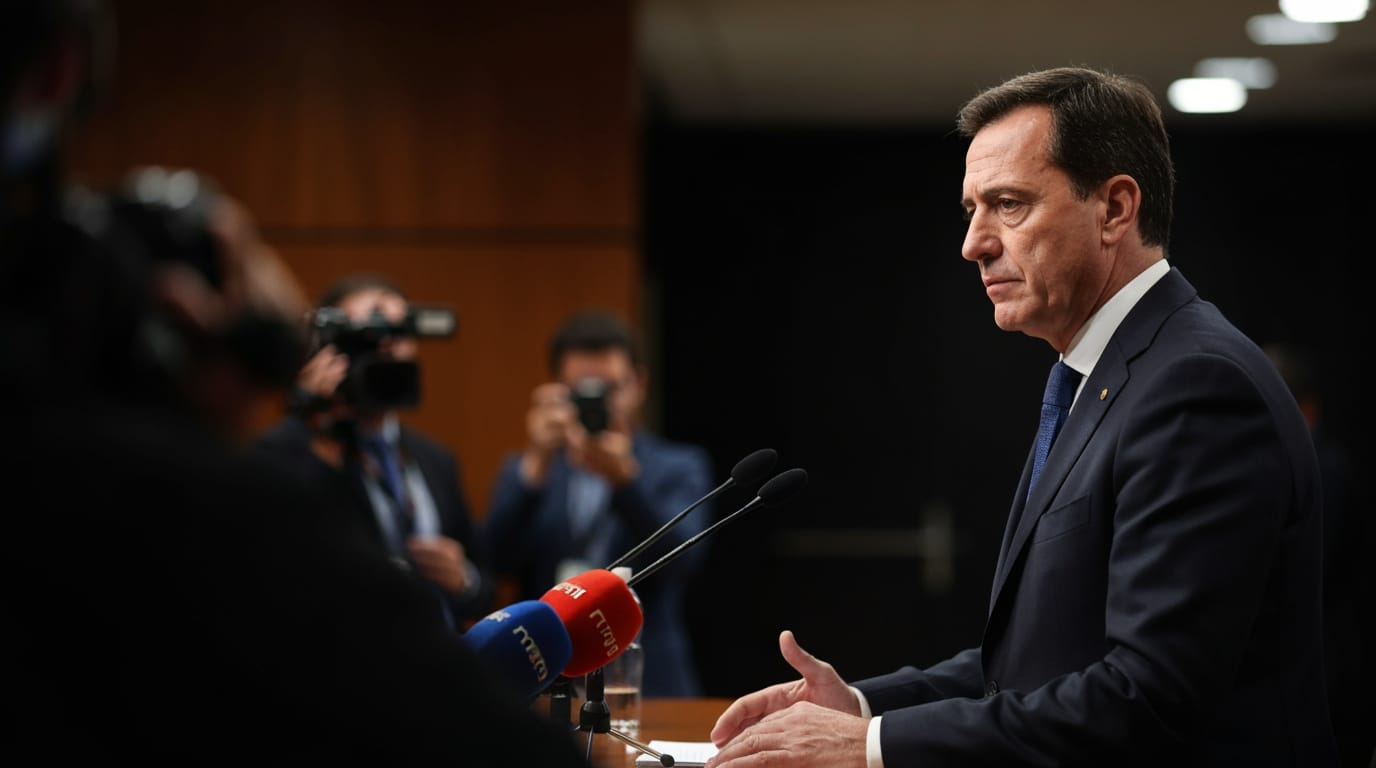
MADRID – Spain officially withdrew its ambassador to Israel, Ana Maria Salomon Perez, on Wednesday, March 11, 2026, marking a significant escalation in the deepening diplomatic rift between the two nations. The decision, formalized in Spain's Official State Gazette, leaves the Spanish embassy in Tel Aviv under the leadership of a charge d'affaires, reflecting Madrid's escalating criticism of Israeli policies and its involvement in the ongoing conflicts in Gaza and with Iran. This move comes after months of increasingly strained relations, largely fueled by Spain's outspoken condemnation of Israel's military campaign in Gaza and its recent recognition of a Palestinian state.
The diplomatic ties, which have existed since 1986, have deteriorated sharply since October 2023, following the onset of Israel's military operations in Gaza. Spain, under Prime Minister Pedro Sanchez, has emerged as one of the most vocal European critics of Israel's conduct, frequently labeling the actions in Gaza as "genocide" and calling for immediate cessation of hostilities. This latest step underscores Spain's resolve to exert diplomatic pressure amid a complex geopolitical landscape marked by regional conflicts and shifting international alliances.
A Growing Chasm: Milestones in Diplomatic Deterioration
The withdrawal of Ambassador Perez is the culmination of a series of events that have steadily eroded the diplomatic relationship between Madrid and Jerusalem. The tensions intensified dramatically following Spain's formal recognition of a Palestinian state in May 2024. This decision prompted Israel to recall its own ambassador from Madrid, leaving both countries' top diplomatic missions headed by a charge d'affaires for an extended period.
Prior to the formal recall, Ambassador Perez had been summoned back to Madrid for consultations in September 2025. This earlier consultation followed a period of heightened friction, including what Madrid described as "slanderous accusations" from Israel against Spanish government officials and "unacceptable measures" taken in response to Spain's initiatives aimed at addressing the situation in Gaza.
Further complicating relations, Spain implemented a ban in 2025 on ships and aircraft carrying weapons to Israel from using Spanish ports or airspace. This restriction was later solidified into legislation for a full arms embargo, permanently prohibiting the sale of weapons, military equipment, and dual-use technology to Israel. These measures signaled a clear policy divergence from some other European nations and a determination by Spain to back its criticisms with tangible actions.
Gaza, Iran, and the "No to War" Stance
Spain's principled stance extends beyond the Gaza conflict, encompassing its strong opposition to recent United States-Israeli military strikes on Iran. Prime Minister Sanchez has publicly articulated a "No to war" position, emphasizing that "one illegality cannot be met with another, because that is how humanity's great disasters begin." This firm stance included denying the United States access to jointly operated military bases in southern Spain for operations linked to strikes on Iran. The refusal triggered a public clash, with accusations from some U.S. officials regarding Spain's "unfriendly" behavior and threats of trade repercussions, though European Union leaders quickly rallied in solidarity with Spain.
The Spanish government views the situation in Gaza and the broader regional tensions as interconnected, with Foreign Minister José Manuel Albares previously stating that diplomacy, not warfare, must be the priority in addressing complex issues like the Iranian nuclear question and Israel's military actions. Madrid's consistent condemnation of what it describes as Israel's "genocide" in Gaza and its opposition to the US-Israeli actions against Iran underscores its commitment to a foreign policy rooted in international law and humanitarian principles.
International and European Implications
Spain's decision places it among the European Union member states taking the most assertive diplomatic actions against Israel. While the EU has generally called for de-escalation and humanitarian aid in Gaza, Spain has been particularly proactive in advocating for stronger collective measures. In a notable move, Spain has urged the European Union to consider suspending its cooperation agreement with Israel and imposing a bloc-wide arms embargo.
The diplomatic friction between Madrid and Jerusalem highlights broader disagreements within the international community regarding the ongoing conflicts. While some nations have maintained a more cautious approach, Spain, alongside countries like Ireland and Norway, has been resolute in its criticism and its support for Palestinian statehood. The absence of full ambassadors in both Madrid and Tel Aviv signifies a significant downgrade in bilateral relations, reducing direct high-level communication channels at a critical juncture. The path forward for diplomatic normalization remains uncertain, contingent on developments in the region and potential shifts in policy from either side.
A Future of Uncertainty
The permanent withdrawal of Spain's ambassador signifies a profound rupture in relations between two nations that once maintained robust diplomatic ties. The decision reflects Madrid's unwavering criticism of Israel's actions in Gaza and its broader foreign policy objectives in the Middle East. With both embassies now operating without a full ambassador, the immediate future points to continued diplomatic estrangement. The sustained deterioration underscores the deep divisions within the international community regarding the Israeli-Palestinian conflict and the broader regional dynamics, leaving the prospect of a resolution between Spain and Israel fraught with challenges.