Starmer Convenes World Leaders to Forge Ukraine Peace Plan Amidst Ceasefire Doubts
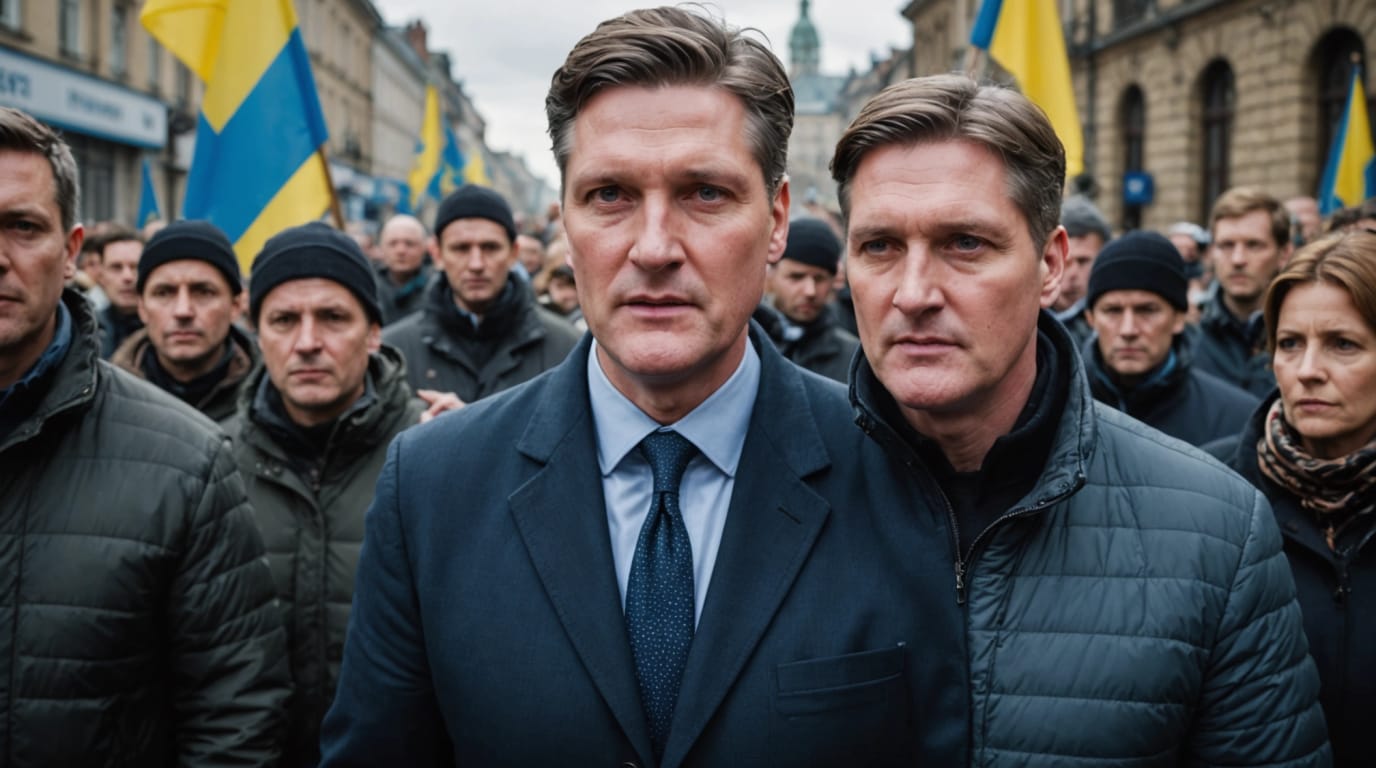
In a concerted effort to de-escalate the ongoing conflict in Ukraine, British Prime Minister Keir Starmer is hosting a virtual meeting of world leaders today to discuss peacekeeping strategies and demand concrete commitments towards a resolution. The move comes amidst growing skepticism about Russia's sincerity in adhering to a ceasefire, with Starmer urging Russian President Vladimir Putin to demonstrate genuine commitment to peace.
"Coalition of the Willing" Takes Shape
Starmer's initiative, dubbed the "coalition of the willing," aims to unite various nations in a collaborative effort to establish and enforce a lasting peace in Ukraine. Approximately 25 leaders from European countries, the EU Commission, NATO, Canada, Ukraine, Australia, and New Zealand are expected to participate in the virtual summit. The discussions will build upon previous meetings held by defense ministers and military chiefs in Paris earlier in the week, where participating nations outlined their contributions to bolstering military support for Ukraine. New Zealand Prime Minister Christopher Luxon confirmed his participation, stating it would provide "a chance for an update as to the different lines of diplomatic efforts that are going on around securing peace in Ukraine."
Starmer's Four-Point Peace Plan
The British Prime Minister has previously unveiled a comprehensive four-point peace plan designed to address the multifaceted challenges of the conflict. The plan prioritizes the guarantee of Ukraine's sovereignty and security, the continuation of military aid to Ukraine, and increased economic pressure on Russia. A key component of the plan involves the "coalition of the willing" devising a peace plan for Ukraine that is acceptable to all parties, including the United States. This approach allows NATO members to act collectively without being bound by the alliance's umbrella, thereby avoiding potential vetoes from member states with reservations.
Ceasefire Proposal and Russian Hesitation
The renewed push for peace comes as a US-proposed 30-day ceasefire gains traction. Kyiv has signaled its openness to the proposal, which calls for an unconditional cessation of hostilities across all fronts. However, the Kremlin has expressed reservations, with Putin indicating that a ceasefire must lead to a lasting peace and address the root causes of the crisis. He stated that while the "idea itself is correct, and we certainly support it," further discussions with American colleagues and partners are necessary.
Concerns Over Putin's Intentions
Starmer has voiced concerns that Putin is using the ceasefire proposal as a stalling tactic. He criticized the Russian leader for suggesting a "painstaking study" is needed before a ceasefire can be implemented, arguing that the world needs to see action, not empty words and pointless conditions. "My message to the Kremlin could not be clearer: stop the barbaric attacks on Ukraine, once and for all, and agree to a ceasefire now," Starmer stated. "Until then, we will keep working around the clock to deliver peace."
Implications of a Divided West
The urgency of Starmer's initiative is amplified by recent tensions between Ukrainian President Volodymyr Zelenskyy and US President Donald Trump. Reports of clashes between the two leaders have raised concerns about the stability of Western support for Ukraine. Starmer's "coalition of the willing" seeks to bridge these divides and present a united front in the pursuit of peace. The coalition's primary task is to formulate a plan that offers security guarantees to Kyiv while remaining palatable to Trump, who has previously indicated that the US or NATO will not provide such guarantees.
Conclusion: A Critical Juncture for Peace
As world leaders convene to discuss the path forward, the situation in Ukraine remains at a critical juncture. The success of Starmer's "coalition of the willing" hinges on its ability to overcome skepticism, bridge divides, and secure concrete commitments from all parties involved. The international community is watching closely to see whether this collaborative effort can pave the way for a lasting peace in Ukraine and prevent further escalation of the conflict.


