Starmer Defies Calls to Resign Amidst Cabinet Departure and Electoral Fallout
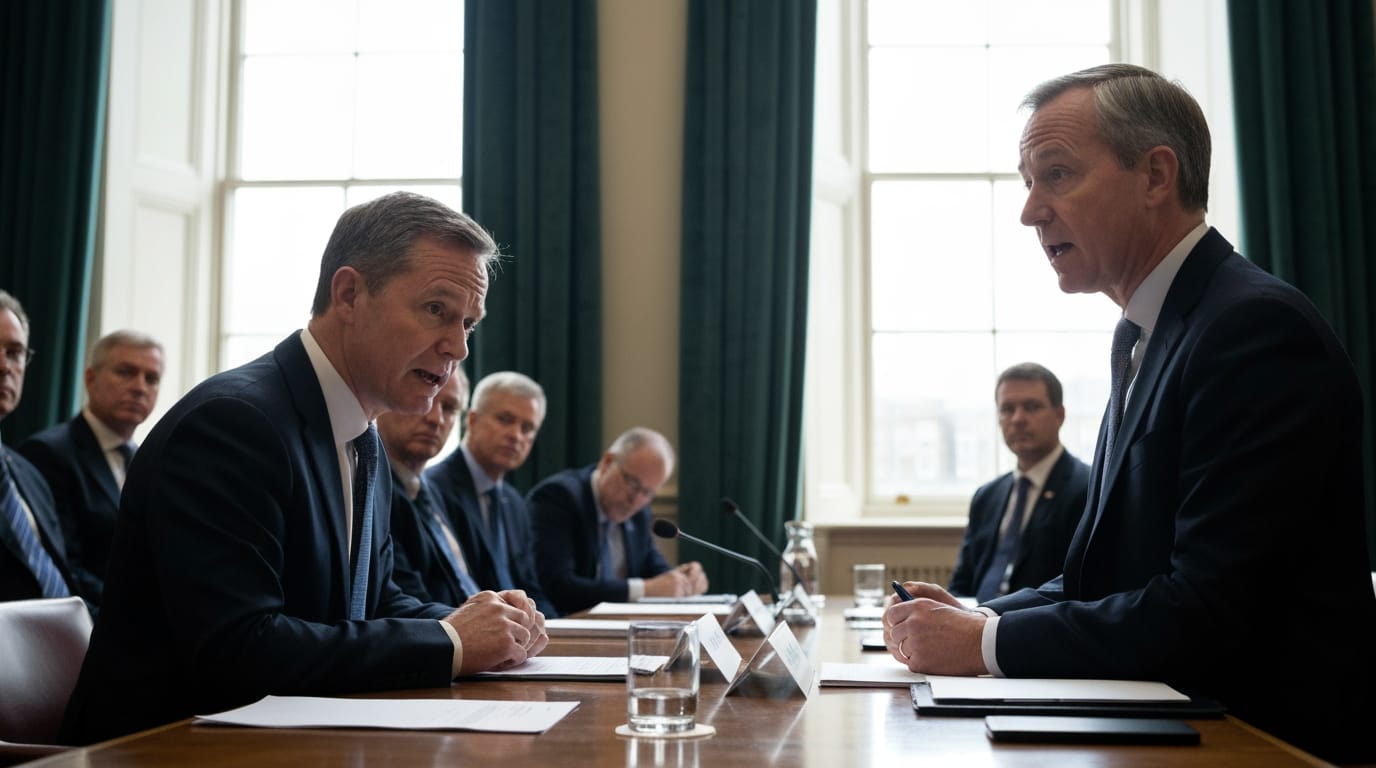
LONDON, UK – Prime Minister Keir Starmer remains defiant in the face of mounting pressure to step down, asserting his intent to "get on with governing" after a junior minister resigned and devastating local election results sparked widespread dissent within the Labour Party. The Prime Minister's firm stance, delivered during a crucial Cabinet meeting on Tuesday, May 12, 2026, comes as the Labour Party grapples with significant electoral setbacks and growing internal calls for a change in leadership.
A Political Earthquake: Labour's Local Election Disaster
The immediate catalyst for the current political turmoil is the Labour Party's "disastrous" performance in last week's local elections, which saw the governing party suffer heavy losses across England, Wales, and Scotland. In England, Labour lost nearly 1,500 councillors and control of 37 councils. The party also experienced a near wipe-out in Wales, losing power for the first time since the Senedd's inception in 1999, with its vote share plummeting by more than half, relegating it to third place. Scotland also saw Labour lose ground, finishing level with the burgeoning Reform UK party.
These results represent a stark rejection of the Labour government, which swept to power in July 2024 following a landslide victory. Less than two years into its tenure, the party's popularity has significantly eroded. The traditional two-party system in the UK appears increasingly fractured, with the right-wing populist Reform UK making substantial gains, securing over 1,400 seats and control of approximately 14 councils. The Green Party also saw notable successes, gaining over 300 seats, while the Liberal Democrats added more than 150. This fragmentation led to a record-low combined vote share of 34% for Labour and the Conservatives, underscoring a profound shift in the British political landscape.
First Resignation Signals Deeper Cracks
Adding to the Prime Minister's woes, Miatta Fahnbulleh, a junior minister in the Ministry of Housing, Communities and Local Government, became the first member of Starmer's government to resign amidst the deepening crisis. In her resignation, Fahnbulleh, who is considered to be on the left of the Labour Party and is a close ally of Energy Secretary Ed Miliband, publicly urged Starmer "to do the right thing for the country and the Party and set a timetable for an orderly transition."
Her departure is a symbolic blow, highlighting the profound discontent festering within the party's ranks. Fahnbulleh articulated a widely felt frustration, stating that the government "had not acted with the vision, pace and mandate for change it had been given by voters," and had failed to "govern as a Labour Party clear about our values and strong in our convictions." This sentiment is echoed by a growing number of Labour lawmakers; more than 70 MPs, representing nearly a fifth of the party's parliamentary representation, have publicly called for Starmer to resign or at least announce a timetable for his departure. Reports also suggest that senior Cabinet ministers have privately encouraged Starmer to prepare for an exit, indicating that dissatisfaction extends beyond backbenchers.
Starmer's Unwavering Resolve Amidst Intensifying Scrutiny
Despite the intensifying pressure, Prime Minister Starmer has made it clear he has no intention of capitulating. He informed his Cabinet that the formal process for a leadership challenge had not been triggered, and he would not be walking away from his responsibilities. His resolve comes after a speech delivered the previous day, designed to address his detractors and demonstrate his commitment to leadership. "The country expects us to get on with governing," Starmer stated, "That is what I am doing and what we must do as a Cabinet."
However, the challenges facing Starmer's leadership are multifaceted and run deeper than just the recent election losses. Critics point to a perceived lack of vision and policy missteps, a struggling British economy, and questions surrounding his judgment. A significant point of contention has been his appointment of Peter Mandelson as ambassador to the United States, an issue amplified by Mandelson's past ties to convicted sex offender Jeffrey Epstein. Furthermore, a surge in antisemitism, which has been declared a "national emergency," has also contributed to public dissatisfaction. Former Deputy Prime Minister Angela Rayner, who resigned in September 2025 due to a tax scandal, has reportedly stated that Starmer is on his "last chance" after the recent electoral results, underscoring the precariousness of his position.
The Remaking of British Politics: A Multi-Party Future
The 2026 local elections have cemented a significant realignment in British politics, moving decisively away from the dominance of the two major parties. The substantial gains by Reform UK, led by Nigel Farage, largely at the expense of both Labour and the Conservatives, signal a potent rise of right-wing populism. Concurrently, the Green Party and Plaid Cymru's successes demonstrate a fragmentation of the left-leaning vote, with voters turning to alternative progressive options when they perceive Labour as not being radical enough.
This multi-party landscape presents a complex challenge for the Labour Party and its leader. To regain public trust and electoral ground, Labour will need to navigate diverse demands from an increasingly fragmented electorate. The internal debate about the party's future direction, policy platform, and leadership is expected to intensify, with figures like Health Secretary Wes Streeting often cited as potential challengers should Starmer's position become untenable. The next national election is not due until 2029, offering a potential reprieve for Starmer to attempt a recovery, but the current political climate suggests that the path ahead for the Labour government will be fraught with difficulty.
In conclusion, Keir Starmer's unwavering determination to remain as Prime Minister comes at a critical juncture for the Labour Party and the UK. The resignation of a junior minister and the severe local election losses have exposed deep fissures within the government and the broader electorate. While Starmer insists on continuing to govern, the growing internal dissent, coupled with a fundamental shift in the nation's political dynamics, casts a long shadow over his premiership and the future trajectory of British politics.


