Starmer Urges Unwavering Focus on Ukraine Amidst Escalating Middle East Tensions
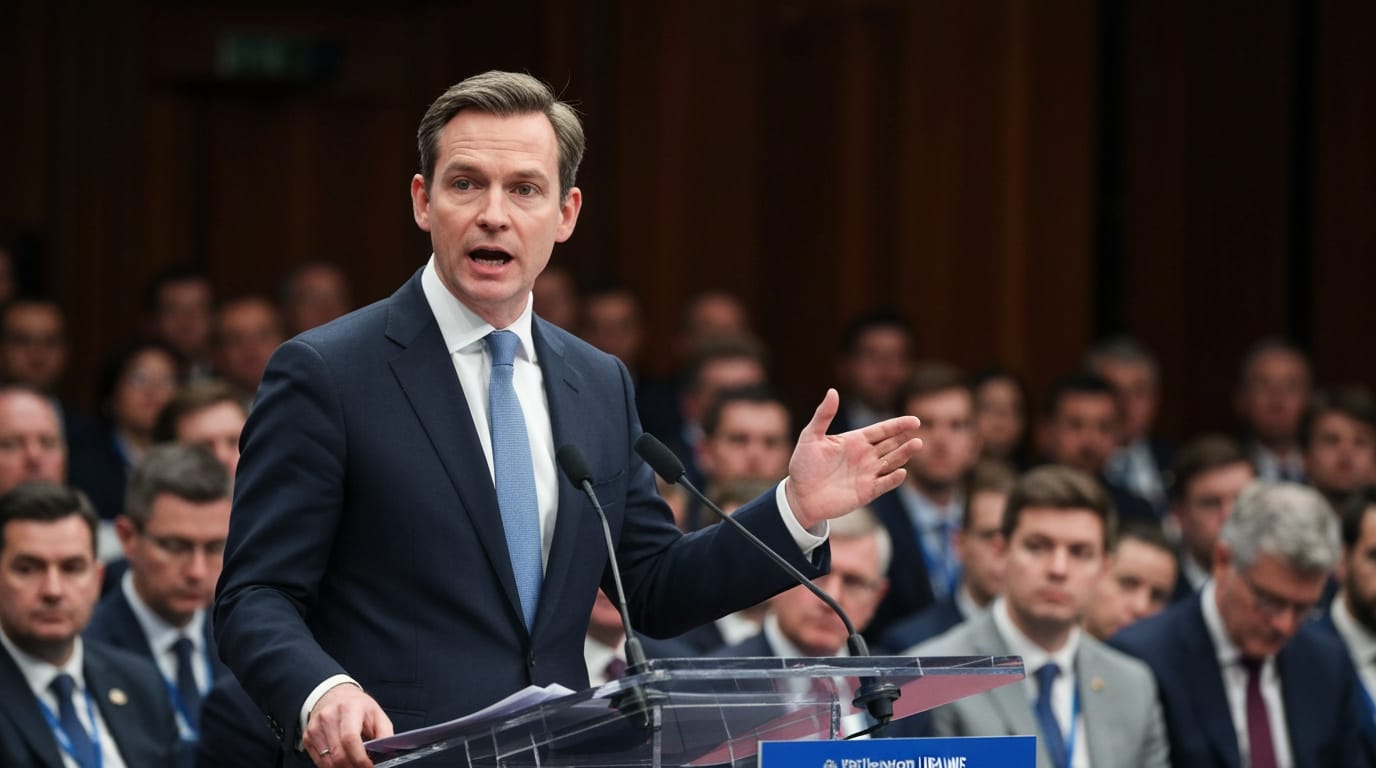
LONDON – As global attention grapples with an intensifying conflict in the Middle East, UK Prime Minister Keir Starmer has issued a resolute call to international allies: maintain an unyielding focus on Ukraine. Speaking during a critical meeting with Ukrainian President Volodymyr Zelenskyy and NATO Secretary-General Mark Rutte in London, Starmer emphasized that the unfolding crisis involving Iran must not divert essential support from Kyiv's ongoing defense against Russian aggression.
The pronouncement comes at a pivotal moment, with recent joint U.S.-Israeli strikes on Iran and Tehran's subsequent retaliation against Gulf states creating significant instability in the Middle East, often referred to as the "Iran war" or "conflict in Iran." This regional upheaval has already precipitated a surge in global oil prices and, notably, led to the partial lifting of U.S. sanctions on Russian oil in an attempt to stabilize international energy markets. Starmer underscored the critical imperative of preventing Russian President Vladimir Putin from exploiting this new geopolitical reality to his advantage, whether through increased oil revenues or a reduction in punitive sanctions.
The Prime Minister’s steadfast message to President Zelenskyy, reiterated both publicly and in private discussions, highlighted the UK's "unbreakable resolve" to support Ukraine. This commitment is particularly vital as Ukraine navigates a "difficult winter" marked by relentless Russian attacks, including strikes on critical energy infrastructure. The London talks focused on sustained international backing, with Starmer's office affirming the UK's dedication to deepening defense partnerships. This includes a significant agreement to collaborate on the manufacturing of drones and the establishment of an "AI Center of Excellence" in conjunction with Ukraine's Ministry of Defense, leveraging Ukrainian expertise with the UK's industrial base.
The diversion of international attention and resources carries tangible risks for Ukraine. For over two years, Kyiv has relied heavily on consistent military, financial, and humanitarian aid from its Western allies to repel the full-scale invasion launched by Moscow. Any perceived shift in priority could embolden the Kremlin, potentially leading to intensified offensives and undermining the collective effort to ensure Ukraine's sovereignty and territorial integrity. The specter of a prolonged conflict, exacerbated by fluctuating global energy prices and a fragmented international response, looms large.
The new Middle East crisis, characterized by strikes on Iran and retaliatory actions, has not only impacted energy markets but also raised concerns about regional maritime security. The Strait of Hormuz, a crucial global shipping route for oil and gas, has been effectively closed to some tankers, necessitating diplomatic efforts to restore freedom of navigation. Starmer confirmed that the UK is actively engaging with allies, including European partners, to devise a "viable collective plan" to de-escalate the situation and mitigate the economic repercussions of the unrest, particularly the rising cost of living due to increased oil and gas prices. While navigating these complex regional dynamics, the Prime Minister has maintained a cautious approach, resisting calls for the UK to join offensive actions against Iran and instead prioritizing a swift resolution to bring stability back to the region.
This is not the first instance where Starmer has championed a robust and unwavering stance on Ukraine. In September 2025, during a virtual call with approximately 25 world leaders constituting the "coalition of the willing" supporting Ukraine, he urged allies to "go even further" in applying pressure on Russia. At that time, Starmer, alongside French President Emmanuel Macron, pressed then-U.S. President Donald Trump for specific details on promised security guarantees for Ukraine, underscoring the consistent need for solidified commitments against Russian aggression. The Prime Minister emphasized then, as now, that Putin "could not be trusted" given his continued delay of peace talks and egregious attacks on Ukrainian cities.
The overlapping international crises present a formidable challenge to global diplomacy and alliance cohesion. Starmer's firm message serves as a reminder that the long-term strategic implications of the conflict in Ukraine remain paramount, even as new flashpoints emerge. The delicate balance involves addressing immediate regional threats while simultaneously sustaining the considerable effort required to support Ukraine's defense and resist any erosion of the international rules-based order. The collective resolve of allies in the face of these multifront challenges will ultimately determine the trajectory of both conflicts and the future stability of global security.


