States Challenge Hollywood Mega-Merger, Citing Threats to Competition and Consumers
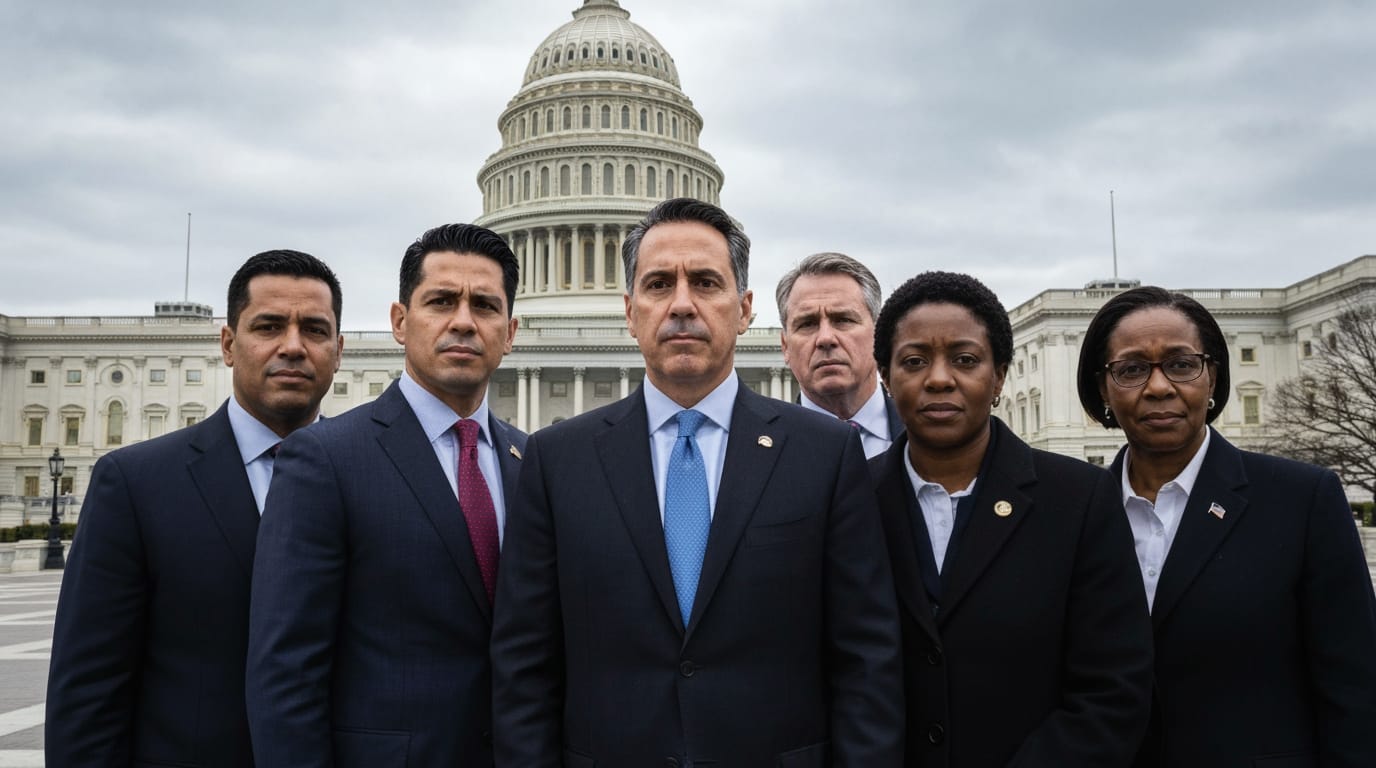
A coalition of 12 U.S. states has launched a significant legal challenge against the proposed $110 billion acquisition of Warner Bros. Discovery by Paramount, arguing the merger would drastically diminish competition in the entertainment industry. The lawsuit, filed on Monday, July 13, 2026, claims that uniting two of Hollywood's most prominent studios would lead to higher prices, reduced content quality, and fewer choices for consumers across multiple platforms, from streaming services to movie theaters. This action marks a formidable effort by state attorneys general to curb consolidation in a media landscape increasingly dominated by a handful of powerful entities.
A Coalition's Stance Against Industry Consolidation
California Attorney General Rob Bonta is spearheading the multi-state lawsuit, asserting that the proposed merger constitutes an unlawful combination that would "extinguish competition" within the entertainment sector. The coalition, comprising Arizona, California, Colorado, Connecticut, Massachusetts, Minnesota, Nevada, New Jersey, New Mexico, New York, Oregon, and Washington, collectively filed the complaint. The attorneys general contend that if the merger proceeds, it would harm movie theaters, basic cable distributors, and ultimately, American audiences. They allege the deal violates the Clayton Act of 1914, a federal statute designed to prevent mergers that could substantially lessen competition or foster monopolies.
The states’ legal argument centers on the combined entity's potential market dominance. A merged Paramount-Warner Bros. Discovery would control nearly one-third of the theatrical film distribution market and a similar share of basic cable programming. This includes a significant portion of "blockbuster" or "tentpole" films, with the combined company potentially holding sway over more than 30% of such major releases. The lawsuit emphasizes that both Paramount and Warner Bros. are among the last five legacy studios in Hollywood and among the five major basic cable channel owners. Their combination, critics argue, would reduce the number of independent voices and choices available to consumers, while simultaneously impacting the livelihoods of industry professionals through lower pay and fewer job opportunities. Connecticut Attorney General William Tong noted that the merger would create a "media behemoth capable of controlling and crushing the American film and television industry," with severe consequences for consumers, local theaters, and media workers.
Far-Reaching Implications for Consumers and Content
The core concern raised by the states is the direct impact on consumers. The attorneys general project that reduced competition would inevitably lead to higher prices for movie tickets and cable television packages. Moreover, they anticipate a decline in the overall quality and variety of content, as the incentive for innovation and competitive pricing diminishes within a more concentrated market. The merger would bring together an extensive array of popular intellectual properties and platforms under one umbrella, including Warner's HBO Max, the lucrative Harry Potter franchise, and news network CNN, alongside Paramount-owned CBS and the Paramount+ streaming service. This consolidation of content libraries and distribution channels could give the combined company unprecedented power over what content is produced, how it is distributed, and at what cost it reaches audiences.
The lawsuit also highlights the substantial harm projected for movie theaters, which rely on competition among studios to secure favorable terms and diverse film offerings. With fewer major distributors vying for screens, theaters could face less leverage in negotiations, potentially leading to increased costs and reduced access to highly anticipated films. Similarly, basic cable distributors could experience challenges in securing competitive pricing for programming. New York Attorney General Letitia James further indicated that such a combination would establish "a massive company with unprecedented power and influence over news and entertainment across the globe," also threatening jobs and businesses nationwide. The coalition has formally requested that Paramount and Warner Bros. defer closing the merger until the judicial process concludes, with a stated intent to file a temporary restraining order if the companies proceed without agreement.
Paramount's Defense and Evolving Market Dynamics
In response to the lawsuit, Paramount has firmly rejected the states' claims, maintaining that the legal challenge "distorts settled antitrust law." The company, which was acquired by Skydance just last year, stated its commitment to "vigorously defend" the transaction. Paramount argues that the merger is essential to create a stronger competitor capable of challenging dominant streaming and technology platforms that have already significantly impacted the market for theatrical exhibition and employment within the entertainment industry. The company contends that delaying the merger would ultimately harm entertainment workers whose livelihoods have already been affected by technological disruptions. Furthermore, Paramount suggests that the states' case could inadvertently shield larger streaming rivals, such as Netflix, from meaningful competition. Warner Bros. Discovery has referred all comments regarding the lawsuit to Paramount.
This legal confrontation unfolds against a backdrop where the U.S. Department of Justice (DOJ) had previously closed its own investigation into the deal in June, indicating at the time that the transaction was "not likely to result in harm to competition or American consumers." This divergence in opinion between the federal and state authorities underscores the complex and often debated nature of antitrust enforcement in rapidly evolving industries. Paramount had anticipated closing the transaction in the third quarter, with provisions for a "ticking fee" of $650 million per quarter to shareholders if the merger is not completed by September 30.
A Historical Perspective on Media Antitrust
The current legal challenge is not an isolated event but rather another chapter in a long history of antitrust scrutiny within the American media industry. Concerns about concentrated media ownership have been a recurrent feature of American political culture for over a century. Federal antitrust laws, including the Sherman Antitrust Act of 1890 and the Clayton Antitrust Act of 1914, were established to promote competition by prohibiting monopolies and other forms of business concentration. These laws take on a particular significance in the media sector due to its unique role in upholding the "marketplace of ideas" envisioned by the First Amendment.
Historically, the Supreme Court has weighed in on media antitrust cases, such as Associated Press v. United States (1945), where it applied the Sherman Act to protect the free flow of information. Similarly, the United States v. Paramount case in 1948 marked a significant victory against major Hollywood studios, challenging their control over the motion picture industry through both horizontal and vertical integration. Later, the Celler-Kefauver Act further strengthened antitrust enforcement by preventing mergers that might undermine competition, even if the businesses were not direct competitors. While some argue that strict antitrust enforcement is crucial for preserving a diverse marketplace of ideas, others contend that allowing mergers promotes economic health in news services, which in turn ensures a competitive public sphere. The current lawsuit by the states reflects an ongoing debate about the appropriate balance between fostering robust competition and enabling large-scale industry growth in a critical sector of the economy and public discourse.
The legal battle over the Paramount-Warner Bros. Discovery merger promises to be a protracted and closely watched affair. The outcome will not only determine the future landscape of two of Hollywood's most iconic studios but will also set a significant precedent for antitrust enforcement in an era of accelerating media convergence. As the states push for judicial intervention to preserve market competition and consumer choice, Paramount stands ready to defend its vision for a unified entity better equipped to navigate the challenges of the modern entertainment ecosystem. The case underscores the enduring tension between the pursuit of corporate scale and the public interest in a diverse and competitive media environment.