Storm Alfred Leaves Trail of Destruction Across Eastern Australia
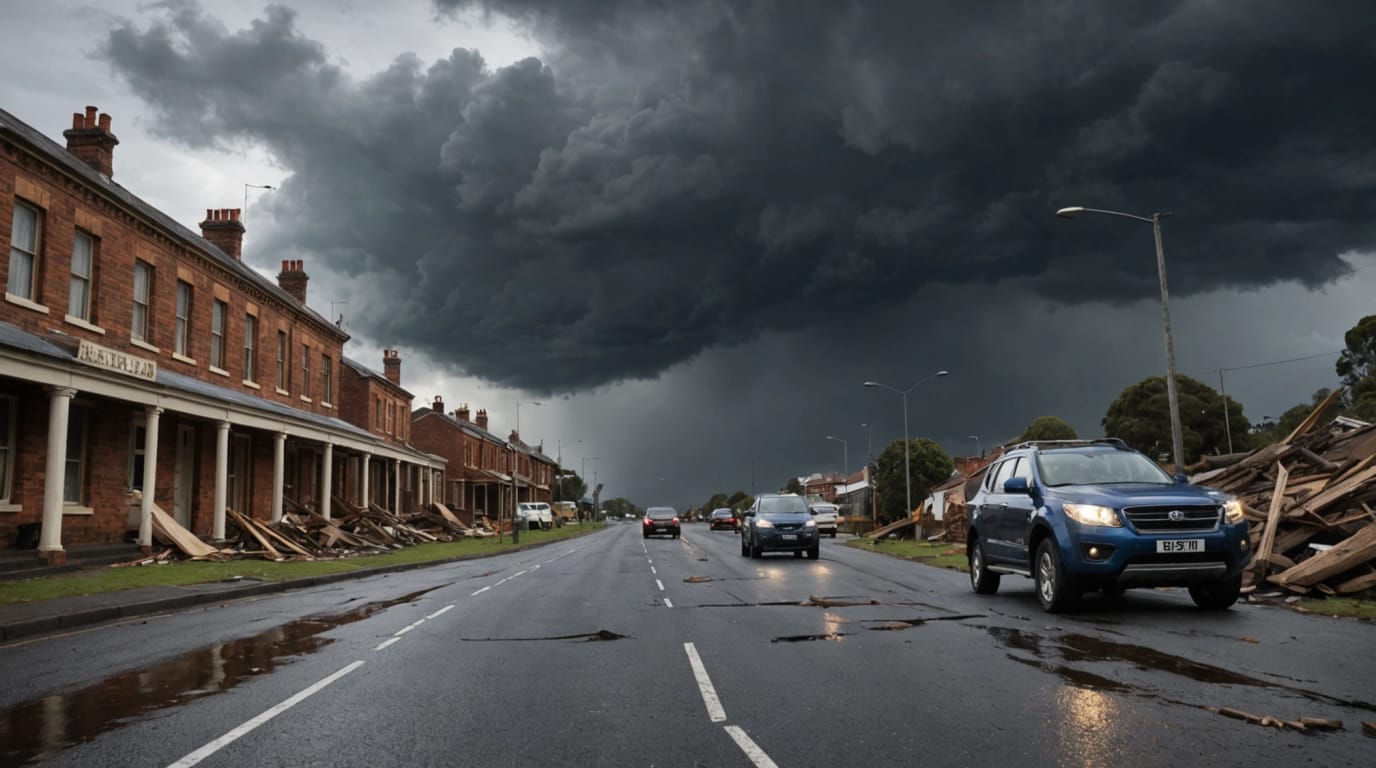
Tropical Cyclone Alfred, after lingering off the coast for days, has left a trail of destruction across eastern Australia, bringing torrential rain, strong winds, and widespread flooding to Queensland and New South Wales. While the storm has weakened to a tropical low, officials are warning residents to remain vigilant as the danger of flash flooding and swollen rivers persists. The storm, once classified as a Category 2 cyclone, impacted a 400-kilometer stretch of coastline, causing power outages for hundreds of thousands, prompting evacuations, and resulting in at least one fatality.
Power Outages and Infrastructure Damage
One of the most significant impacts of ex-Cyclone Alfred has been the widespread power outages. At its peak, more than 330,000 homes and businesses were without electricity in Queensland and New South Wales. Queensland Premier David Crisafulli described it as "the largest ever loss of power from a natural disaster in Queensland's history," estimating that approximately 750,000 people were affected by the blackouts. Utility companies are working to restore power, but the ongoing floods are hampering repair efforts. Fallen trees have damaged power lines, homes, and cars across the region. Brisbane Airport was shut down and public transport was suspended, causing major disruptions.
Flooding and Evacuations
Heavy rainfall associated with Alfred has led to significant flooding in many areas. Some regions experienced rainfall totals exceeding 100mm in just 12 hours, with Meldrum recording as much as 166mm. The Bureau of Meteorology has issued major flood warnings for multiple rivers, as they are already responding to the heavy rainfall. Thousands of people have been ordered to evacuate their homes, particularly in low-lying areas. In New South Wales, at least 39 people have been rescued from floodwaters. A 61-year-old man died after being swept away by floodwaters near Dorrigo, New South Wales.
Coastal Erosion and Beach Damage
The powerful waves generated by ex-Cyclone Alfred have caused significant coastal erosion, particularly along the Gold Coast. Beaches have been transformed into steep sandy cliffs after days of relentless erosion. A 40-foot wave recorded off a popular Gold Coast beach on Wednesday night was a record for the area. Millions of cubic meters of sand have been gouged from a 500km stretch of coastline. While the beaches have been damaged, coastal management strategies, including sand-pumping systems and sea walls, have helped to protect waterfront infrastructure.
Government Response and Recovery Efforts
Prime Minister Anthony Albanese has warned Australians to "remain alert" and not underestimate the risks posed by the storm, despite its downgrading. He emphasized that "worse is yet to come" and urged people to stay inside and look after each other. The Australian Defence Force (ADF) is assisting with relief efforts. However, two ADF trucks were involved in a crash near Lismore, resulting in 36 injuries. The NSW Government has appointed NSW Police Superintendent Scott Tanner as Recovery Coordinator for the region. Recovery Assistance Points will open in Lismore, Tweed South, Ballina, and Coffs Harbour on Thursday. Disaster Recovery Funding Arrangements (DRFA) are in place to provide financial assistance to affected areas, including personal hardship assistance, counter-disaster operations, and restoration of essential public assets.
A Rare Event
Ex-Cyclone Alfred was initially forecast to be the first cyclone to cross the east Australian coast near Brisbane since 1974. While it weakened before making landfall, the event was still considered rare for southeast Queensland, which is not typically impacted by cyclones. The storm's unusual trajectory, forming in the Coral Sea and then making a sharp turn towards the mainland, added to the challenge of predicting its path and intensity.
Despite the weakening of ex-Cyclone Alfred, the danger is far from over. The focus remains on the ongoing risk of flooding, the recovery of essential services, and the long-term task of rebuilding damaged infrastructure and restoring eroded coastlines. Communities across eastern Australia are bracing for a challenging recovery period, with government and emergency services working to provide support and assistance to those affected.


