Student Fury Erupts in Jharkhand as Demands for Exam Reform Intensify
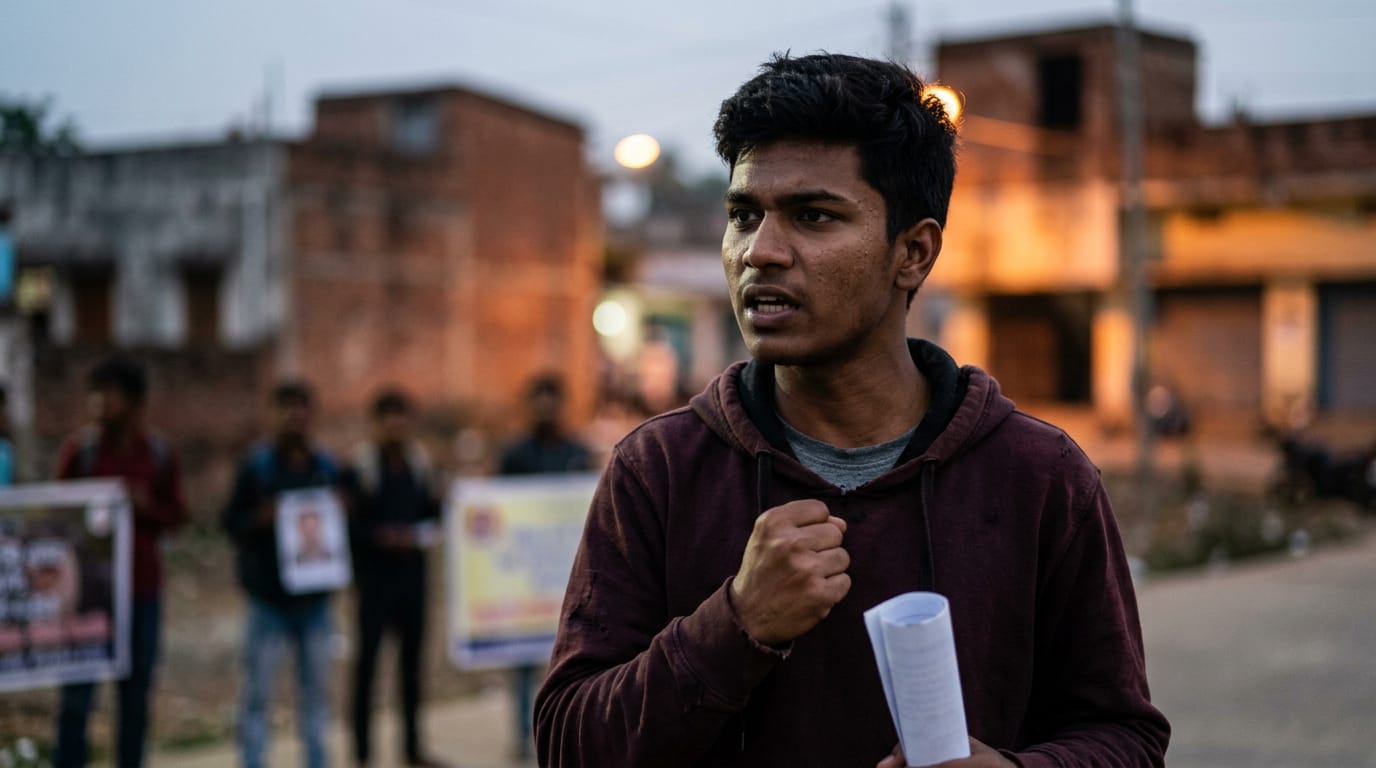
RANCHI, JHARKHAND – A wave of student outrage, initially sparked by national examination controversies, has intensified across Jharkhand, with thousands taking to the streets to protest alleged paper leaks, irregularities, and a pervasive lack of transparency in government recruitment examinations. The escalating agitation, now entering its third week, reflects a deep-seated frustration among young aspirants who see their futures jeopardized by a system they claim is riddled with corruption and inefficiency. On Monday, large crowds of students marched towards the state assembly, clashing with police and underscoring a growing demand for systemic overhaul.
The protests in Jharkhand began in Ranchi on July 25, initially as a local response to alleged irregularities in the Jharkhand Public Service Commission (JPSC) and Jharkhand Staff Selection Commission (JSSC) examinations. This local discontent quickly gained momentum, drawing inspiration from a broader national "Cockroach" movement in New Delhi that had previously led to the resignation of India's national education minister over a major medical entrance exam scandal. By July 29, the movement had expanded into a "Maha Andolan" (grand agitation) with a "Constitution march" attracting thousands from across the state's 24 districts to the capital.
The Roots of Distrust: A Decade of Disappointment
At the core of the protests lie persistent allegations of paper leaks, manipulation, and administrative failures that have plagued multiple examinations, primarily those conducted by the JPSC and JSSC. Students point to specific instances, including the 14th JPSC Preliminary Examination and the JSSC Combined Graduate Level (CGL) examination, as exemplars of the system's failings. Many aspirants express a profound sense of betrayal, stating that years, in some cases a decade, of dedicated preparation for civil service positions are being undermined by compromised processes.
The alleged irregularities extend to examinations conducted by private entities, such as TSR Data Processing Private Ltd, which students claim was complicit in the malpractices. This long history of controversy has eroded public confidence, transforming what might once have been isolated incidents into a widespread crisis of trust in the institutions meant to guarantee merit-based opportunities.
Demands for Justice: Beyond Partial Concessions
The students' demands are comprehensive, calling not only for the cancellation of specific tainted examinations but also for a thorough, independent investigation into the alleged malpractices. Key among their demands is a probe by the Central Bureau of Investigation (CBI), a federal agency, reflecting a lack of faith in investigations initiated by state authorities. Student leader Devendra Nath Mahto, 33, has been on an indefinite hunger strike for over a week, symbolizing the protestors' unwavering resolve.
The Jharkhand government, led by Chief Minister Hemant Soren, has responded by accepting some demands, including the cancellation of the 14th JPSC preliminary examination and the JPSC backlog examinations from 2023 and 2025. The state has also proposed investigations by the Criminal Investigation Department (CID) and the Enforcement Directorate (ED) into financial irregularities, alongside the establishment of fast-track courts to ensure swift legal action. An expert panel, drawing from institutions like IIT-ISM Dhanbad and IIM Ranchi, has been suggested to recommend examination reforms.
Despite these concessions, students remain unconvinced, asserting that the government has only addressed a fraction of their concerns. They continue to press for a CBI inquiry and the cancellation of all JSSC examinations conducted after 2019, along with greater transparency in the recruitment process, including the disclosure of OMR copies and cut-off marks. The government has cited legal complexities, particularly concerning the JSSC-CGL exam, which was conducted under court orders, as a reason for not cancelling it.
Echoes of a National Crisis
The unrest in Jharkhand is not an isolated incident but rather a localized manifestation of a broader national crisis concerning India's competitive examination system. The recent "Cockroach" protests in Delhi, ignited by alleged paper leaks in the NEET-UG (National Eligibility-cum-Entrance Test for undergraduate medical programs), highlighted systemic vulnerabilities and prompted the resignation of the Union Education Minister. This national precedent has emboldened students in Jharkhand, who now see their struggle as part of a larger fight for examination integrity and meritocracy. The online "Cockroach Janta Party" has publicly expressed solidarity with the Jharkhand students, further connecting the regional and national narratives.
The scale of the protests has prompted significant security measures in Ranchi, with police deploying barricades, water cannons, and batons to control the surging crowds marching towards the assembly. This visible response underscores the gravity of the situation and the government's efforts to manage the escalating dissent. Meanwhile, the recent resignations of three JPSC members, following that of the chairman, L. Khiangte (who was subsequently arrested), signal an acknowledgment of serious irregularities within the state's examination bodies.
An Uncertain Future for Aspirants
For the hundreds of thousands of young people across Jharkhand, the outcome of these protests will significantly shape their career trajectories and their faith in public institutions. The repeated disruptions, cancellations, and allegations of corruption inflict immense psychological and financial strain on aspirants, many of whom come from modest backgrounds and invest years in preparing for these high-stakes exams. The youth see government jobs as a crucial pathway to stability and upward mobility in a competitive job market.
As the agitation continues, the call for comprehensive reform echoes through the state. Students demand not just immediate redressal for past wrongs but a fundamental restructuring of the examination system to ensure fairness, transparency, and accountability moving forward. The enduring protests in Jharkhand underscore the critical need for a robust and trustworthy examination framework to secure the aspirations of India's vast youth population and prevent further erosion of public confidence in the meritocratic principles of civil service.


