Sudanese Army Claims Control of Khartoum After Nearly Two Years of Conflict
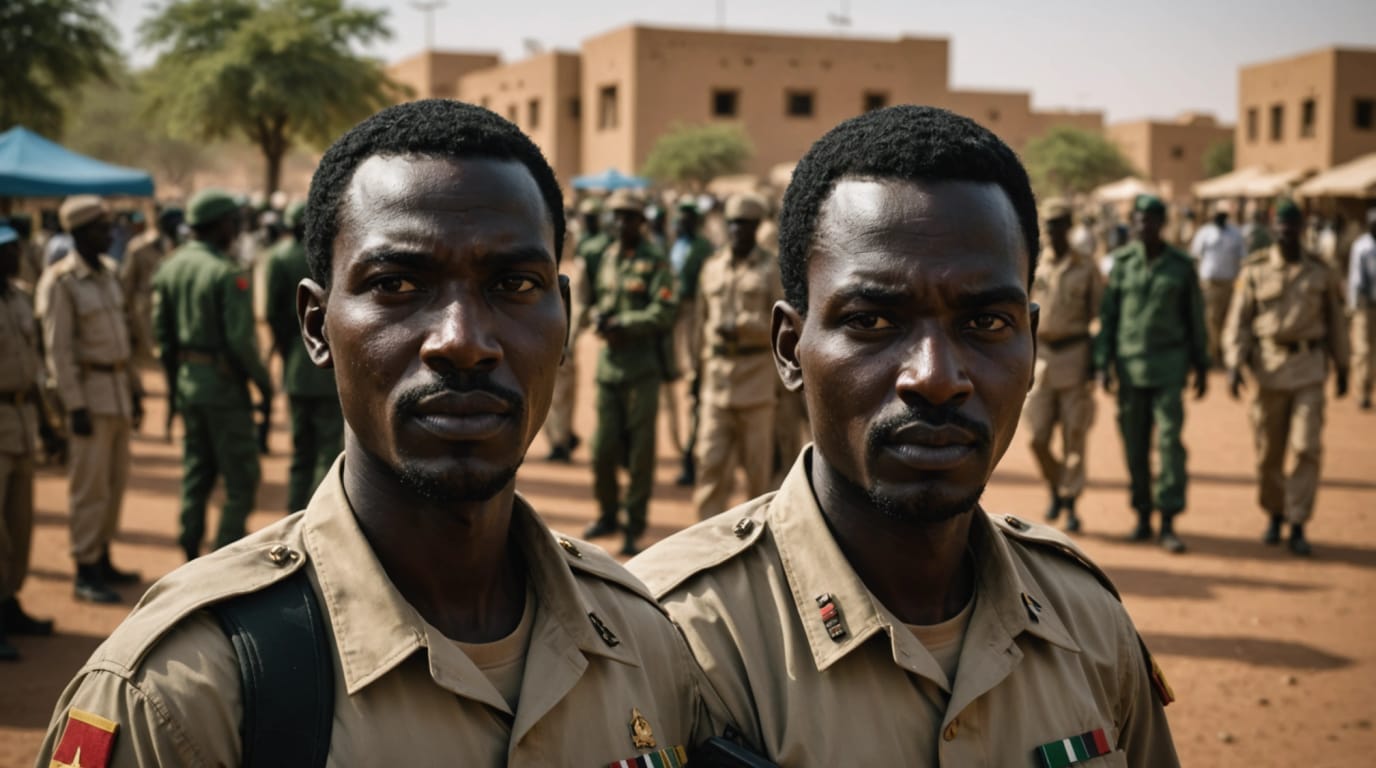
In a potentially pivotal turn in Sudan's devastating civil war, the Sudanese army announced Thursday that it has regained full control of the capital city, Khartoum, after nearly two years of intense fighting with the paramilitary Rapid Support Forces (RSF). The army's claim follows a week-long offensive that saw the recapture of key strategic sites, including the presidential palace and the international airport.
Brig. Gen. Nabil Abdullah, the army spokesman, declared the development in a statement late Thursday, stating that their forces had "forcibly cleansed the last pockets of the remnants of the Daglo terrorist militia in Khartoum locality." The army's characterization refers to the RSF, led by General Mohamed Hamdan Daglo, widely known as Hemeti. The RSF has been engaged in fierce conflict with the Sudanese Armed Forces (SAF) since April 2023, plunging the nation into a deep crisis.
A Turning Point in the Conflict?
The army's announcement marks the first time in nearly two years that it has asserted control over the capital, signaling a potential shift in momentum. Just a day earlier, standing inside the recaptured presidential palace, army chief General Abdel Fattah al-Burhan declared Khartoum "free" of RSF fighters.
Military sources and eyewitnesses cited by AFP reported seeing RSF fighters retreating across the Jebel Awliya bridge, believed to be their last escape route from the greater Khartoum area. This rapid withdrawal follows significant army gains, particularly the storming of the presidential palace last week.
However, the RSF has rejected claims of defeat, insisting their withdrawal was strategic. In its first statement since the army's offensive began, the RSF vowed there would be "no retreat and no surrender." A spokesperson added: "We will deliver crushing defeats to the enemy on all fronts."
Celebrations and Cautious Optimism
News of the army's gains sparked celebrations in the streets of Khartoum. Residents who had remained in the city poured onto the streets, expressing jubilation after enduring months of hardship and violence. Sudanese displaced to other states and refugees in neighboring countries also welcomed the news, hoping for a long-awaited return home.
However, many remain cautiously optimistic, fearing that the battle for Khartoum is far from over. The RSF has denied losing control of Khartoum, claiming instead that its forces conducted a "tactical withdrawal" from the capital.
RSF Denies Defeat, Vows to Fight On
RSF adviser Albash Tibaig stated in a press release that the paramilitary group remains in "top form" and fully prepared to continue fighting against the SAF. On the same day that SAF declared the retaking of Khartoum, the RSF announced the practical launch of its military alliance with the Sudan People's Liberation Movement-North (SPLM-N), led by Abdul Aziz Al-Hilu.
The RSF's continued resistance and its alliance with the SPLM-N suggest that the conflict in Sudan is far from resolved. The potential for further clashes and instability remains high, raising concerns about the humanitarian situation and the future of the country.
The Human Cost of Conflict
The conflict between the Sudanese army and the RSF has had a devastating impact on the civilian population. Thousands have been killed, and millions have been displaced from their homes. The fighting has also disrupted essential services, leading to shortages of food, water, and medical care.
Mohamed Obaid, a resident of Nile East, a former RSF stronghold, described the terror of survival under occupation. "I stayed indoors for days without food, too afraid to step outside," he recounted. "I don't even want to remember those days. You could die at any moment for no reason."
The United Nations and other international organizations have called for an immediate ceasefire and for all parties to respect international humanitarian law. However, despite these calls, the fighting has continued, and the humanitarian situation has continued to deteriorate.
Implications for the Region
The conflict in Sudan has also had implications for the wider region. The country is strategically located, bordering several other countries, including Egypt, Ethiopia, and South Sudan. The instability in Sudan has the potential to spill over into these neighboring countries, further destabilizing the region.
The international community has been working to mediate a peaceful resolution to the conflict in Sudan. However, these efforts have so far been unsuccessful. The deep divisions between the Sudanese army and the RSF, as well as the involvement of external actors, have made it difficult to find a way forward.
Uncertain Future
The Sudanese army's claim of control over Khartoum marks a significant development in the conflict, but it does not necessarily mean that the war is over. The RSF remains a formidable force, and it has vowed to continue fighting. The potential for further clashes and instability remains high, and the humanitarian situation is dire.
The future of Sudan remains uncertain. A peaceful resolution to the conflict will require a commitment from all parties to engage in meaningful dialogue and to address the underlying causes of the conflict. The international community must also play a role in supporting these efforts and in providing humanitarian assistance to the Sudanese people.


