Sudan's Army Chief Declares Khartoum "Free" After Nearly Two Years of Fighting
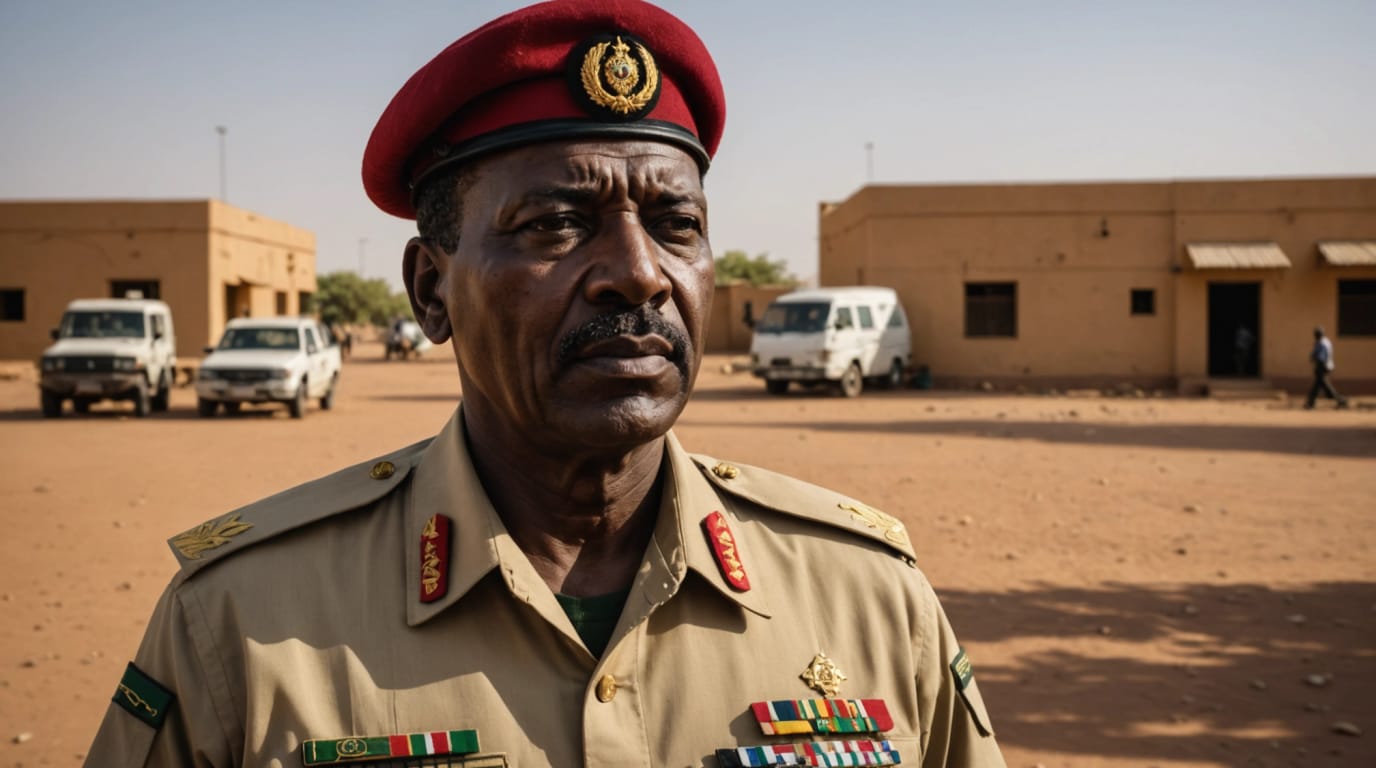
Khartoum, Sudan – After nearly two years of intense conflict, Sudan's army chief, General Abdel Fattah al-Burhan, declared Wednesday that Khartoum is "free" as his forces have retaken control of the capital city. The announcement marks a significant, albeit potentially symbolic, turning point in the ongoing war between the Sudanese Armed Forces (SAF) and the paramilitary Rapid Support Forces (RSF), which erupted in April 2023.
The declaration came as the army consolidated its gains in recent days, seizing key strategic locations from the RSF. These include the recapture of Khartoum International Airport and the presidential palace, the latter representing a powerful symbol of sovereignty. Videos circulating on social media show General Burhan walking with his troops through the presidential palace, a scene celebrated by some residents who view it as the end of a brutal occupation by the RSF.
The conflict between the SAF and the RSF began amid a fragile transition towards democratic rule. The power struggle quickly escalated into a full-blown war, dividing the country into rival zones of control. While the army has made progress in central Sudan, including retaking parts of the capital, the RSF maintains a strong presence in the west, particularly in the Darfur region.
The recent advances by the SAF in Khartoum have seen RSF fighters largely withdrawing from the capital, with the army deploying throughout several neighborhoods. Troops have also reportedly secured key bridges, including the Manshiya Bridge, further isolating RSF forces. Despite these gains, the situation remains fluid, and the war is far from over. The RSF still controls the Jebel Awliya Bridge, providing a crucial exit route from the area.
The conflict has had a devastating impact on Sudan, resulting in a dire humanitarian crisis. Hundreds of thousands of people have been killed, and millions have been displaced from their homes. The United Nations has warned that parts of Khartoum are nearing famine conditions due to widespread looting and restrictions on aid imposed by both sides. Residents have reported mass looting by RSF fighters, who have occupied civilian homes. Both the RSF and the army have been accused of indiscriminately shelling civilian areas, exacerbating the suffering of the population.
The international community has repeatedly called for a ceasefire and a peaceful resolution to the conflict. However, mediation efforts have so far failed to produce a lasting agreement. The fighting has not only caused immense human suffering but has also undermined Sudan's stability and its prospects for a democratic transition. The longer the conflict continues, the greater the risk of further fragmentation and regional instability.
While the army's recent gains in Khartoum represent a significant development, the overall situation in Sudan remains precarious. The RSF continues to pose a formidable challenge, and the conflict could easily escalate further. A comprehensive solution will require a commitment from both sides to engage in meaningful negotiations and address the underlying causes of the conflict. Without such a commitment, Sudan faces a long and uncertain future.
The declaration of Khartoum as "free" offers a glimmer of hope amidst the ongoing crisis. However, it is crucial to recognize that this is just one step in a long and difficult journey towards peace and stability. The international community must remain engaged and provide the necessary support to help Sudan overcome its challenges and build a better future for its people.


