Sudan's War Drags On, Peace Remains Elusive After Two Years
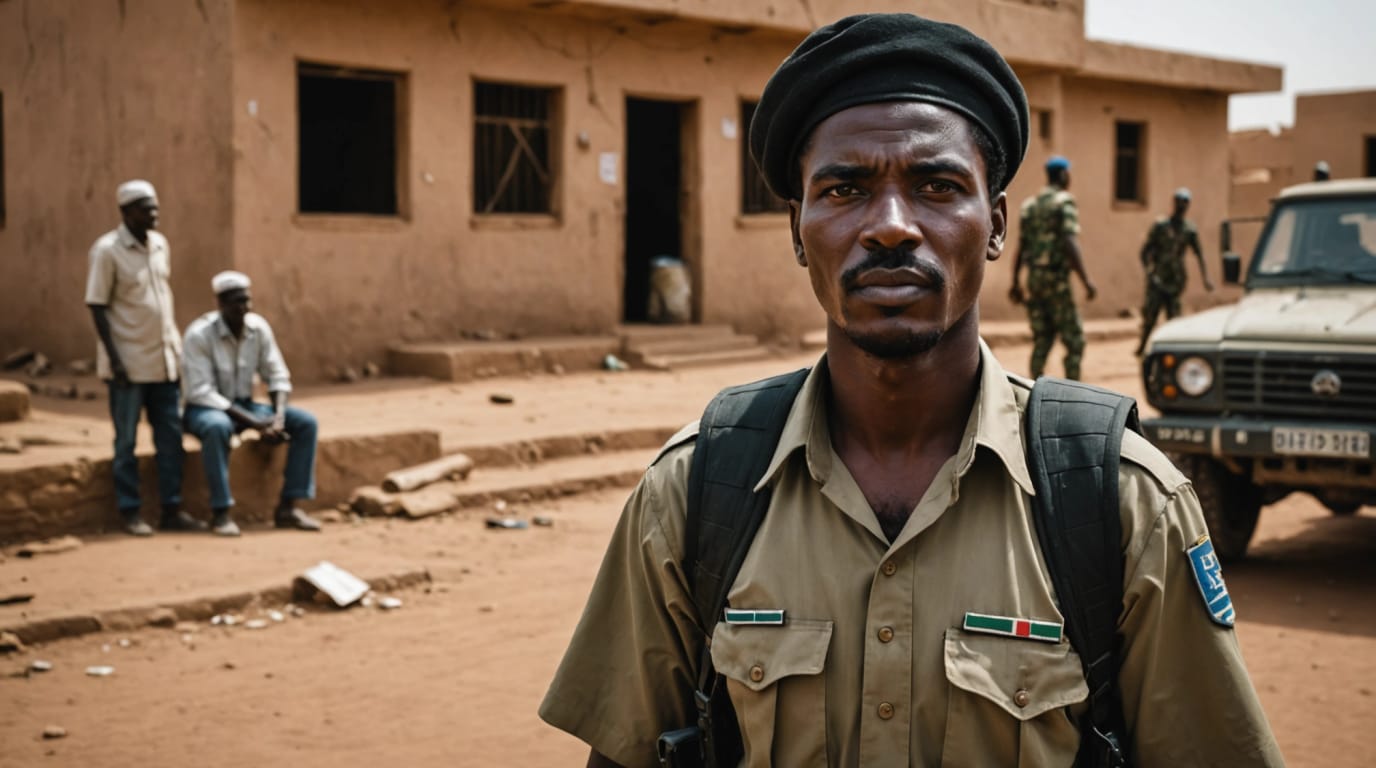
Two years after the eruption of a violent power struggle that plunged Sudan into chaos, the country remains mired in a devastating civil war with no end in sight, sparking the world's largest displacement crisis and a dire humanitarian catastrophe. The conflict, which began on April 15, 2023, between the Sudanese Armed Forces (SAF) and the paramilitary Rapid Support Forces (RSF), has not only ravaged the nation but also threatens to destabilize the entire region, leaving millions in desperate need of assistance.
A Brutal Power Struggle
The seeds of the current conflict were sown years before the first shots were fired. Following the ouster of longtime dictator Omar al-Bashir in 2019, Sudan was governed by a fragile transitional government comprised of both military and civilian leaders. However, tensions between the SAF, led by Abdel Fattah al-Burhan, and the RSF, commanded by Mohamed Hamdan Dagalo, also known as Hemedti, steadily escalated. The primary point of contention was the integration of the RSF into the regular army, with disagreements over the timeline and command structure. These simmering tensions finally boiled over in April 2023, igniting a nationwide conflict that has since claimed an estimated 150,000 lives.
The RSF, which evolved from the Janjaweed militia notorious for its role in the Darfur conflict, quickly seized control of key areas, including the capital city of Khartoum. The SAF, initially caught off guard, has since launched a counteroffensive, resulting in fierce fighting that has turned urban centers into battlegrounds. While the army managed to recapture Khartoum in March 2025, the RSF continues to hold significant territory, particularly in the Darfur region and parts of Kordofan.
A Humanitarian Crisis of Unprecedented Scale
The ongoing conflict has triggered a humanitarian crisis of unparalleled proportions. Nearly 13 million people, roughly one in three Sudanese, have been displaced from their homes, including 8.6 million internally displaced persons (IDPs) and 3.8 million refugees who have fled to neighboring countries. Sudan is now the country with the largest number of displaced people in Africa.
The fighting has decimated Sudan's infrastructure and essential services. Schools, hospitals, and water and electricity systems have been targeted, leaving millions without access to basic necessities. The prices of food and fuel have skyrocketed, exacerbating an already dire situation. The African Union has warned that hundreds of thousands of children are malnourished, with hospital admissions for malnutrition rising sharply in 2024.
The delivery of humanitarian aid has been severely hampered by the ongoing violence and bureaucratic hurdles. Attacks on aid workers and facilities have become increasingly common, making it difficult to reach those in need. The United Nations has accused the RSF of deliberately blocking aid to certain areas, further exacerbating the crisis.
A Region on the Brink
The conflict in Sudan is not confined within its borders; it poses a significant threat to regional stability. Neighboring countries, already grappling with their own challenges, are struggling to cope with the influx of Sudanese refugees. Egypt is hosting the largest number of Sudanese refugees (1.5 million), followed by Chad (773,662), South Sudan (349,935), and other nations. These countries face immense strain on their resources and infrastructure, raising the risk of further instability.
The conflict has also exacerbated existing tensions in the region. In South Sudan, most of those arriving are returning nationals who had been living in Sudan as refugees, further straining the country's already limited resources. There are fears that the conflict could spill over into other countries, particularly Chad and South Sudan, potentially triggering wider regional conflict.
Failed Peace Initiatives and Dim Prospects
Despite numerous attempts to mediate a peaceful resolution, the conflict in Sudan has proven remarkably resistant to diplomatic efforts. Several rounds of peace talks, held in Jeddah, Bahrain, and other locations, have failed to produce a lasting ceasefire or a comprehensive political agreement.
One of the main obstacles to peace is the deep distrust and animosity between the warring parties. Both the SAF and the RSF appear to be pursuing a military victory, with little willingness to compromise. External interference, with various countries backing different sides in the conflict, has further complicated the situation.
While the Sudanese army managed to recapture Khartoum in March 2025, it seems unwilling to pursue peace, preferring to press on for total victory. The RSF, on the other hand, aims to expand the war to new areas. This dynamic makes the prospects for a negotiated settlement bleak.
A Call for Renewed Efforts
As Sudan enters its third year of civil war, the need for a renewed and concerted effort to achieve peace is more urgent than ever. The international community must step up its efforts to mediate a ceasefire, provide humanitarian assistance, and support a political transition that addresses the root causes of the conflict.
The United States, Saudi Arabia, and other key international actors should work together to pressure the warring parties to return to the negotiating table. A comprehensive peace process must include not only the SAF and the RSF but also representatives from civil society, women's groups, and other stakeholders.
In the meantime, the focus must be on alleviating the suffering of the Sudanese people. Increased humanitarian aid is urgently needed to provide food, water, shelter, and medical care to those affected by the conflict. Efforts must also be made to protect civilians from violence and ensure that humanitarian access is not impeded.
The war in Sudan is a tragedy of immense proportions, with devastating consequences for the country and the region. Without a renewed commitment to peace and a sustained effort to address the humanitarian crisis, the suffering of the Sudanese people will only continue to worsen. The world must act now to prevent further bloodshed and help Sudan find a path towards a more peaceful and stable future.


