Sumy Attack Casts Shadow on Ukraine Peace Talks
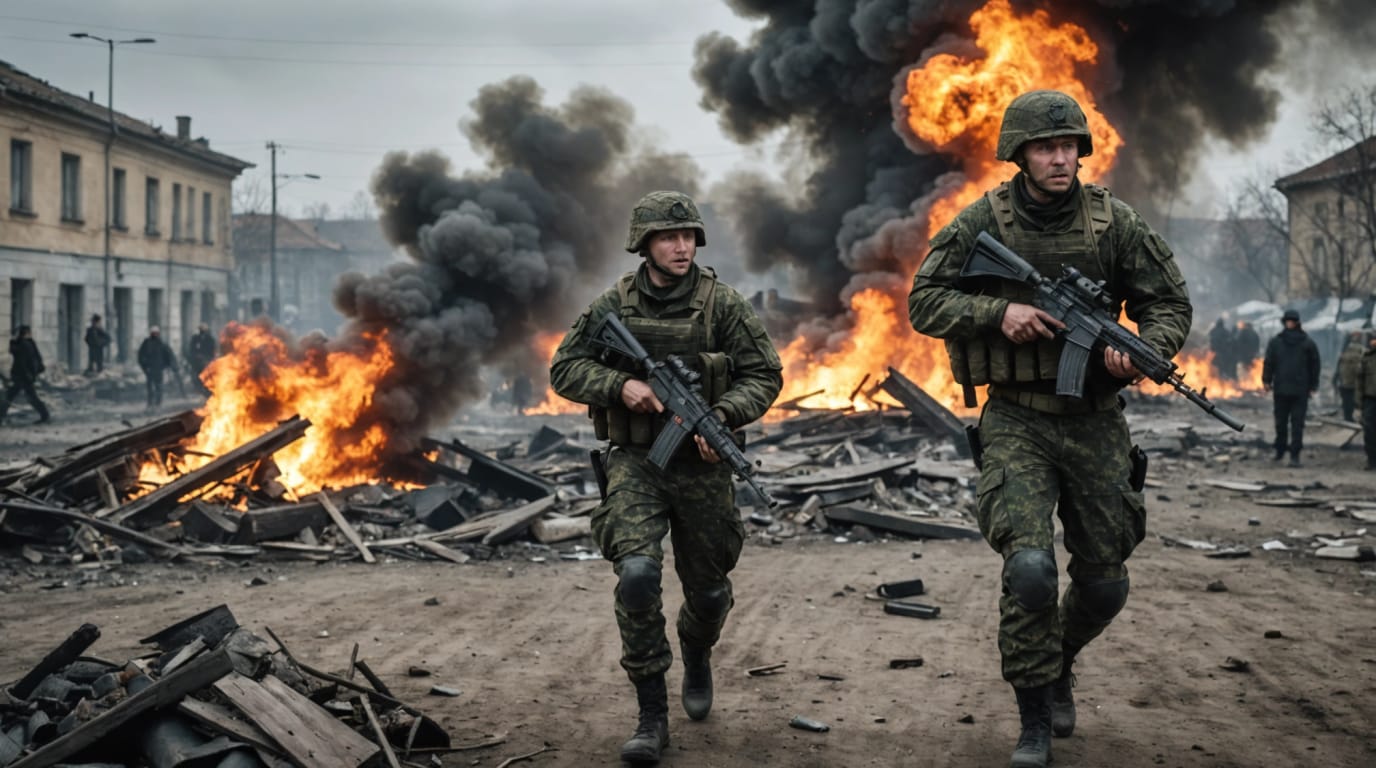
A devastating missile strike on the northeastern Ukrainian city of Sumy has killed dozens and injured over a hundred, raising serious questions about the future of peace negotiations between Ukraine and Russia. The attack, which occurred on Palm Sunday, has drawn international condemnation and accusations of war crimes, further complicating the already fragile diplomatic efforts led by the United States.
The Sumy Attack: A Detailed Look
On April 13, 2025, two Russian ballistic missiles struck the center of Sumy, a city located approximately 20 miles from the Russian border. Ukrainian authorities reported that at least 34 people, including two children, were killed, and 117 others were wounded, including 15 children. The attack targeted a university building and a street, causing widespread destruction and leaving bodies scattered across the area.
The head of the Ukrainian president's office, Andriy Yermak, alleged that cluster munitions were used in the attack, designed to maximize casualties. While the Associated Press could not independently verify this claim, outgoing U.S. Ambassador to Ukraine Bridget Brink stated that reports indicated cluster munitions were used, echoing similar concerns raised after a prior attack on Kryvyi Rih. Cluster munitions release numerous smaller bomblets over a wide area, posing a significant threat to civilians.
Conflicting Narratives and International Response
The Russian Defense Ministry claimed that the Sumy strike targeted a gathering of senior Ukrainian military officers, accusing Kyiv of using civilians as shields. They asserted that the attack resulted in the deaths of over 60 troops, but provided no evidence to support this claim. Kremlin spokesman Dmitry Peskov reiterated that the Russian military only strikes military targets.
Ukrainian officials have vehemently denied these claims, stating that the attack deliberately targeted civilians. President Volodymyr Zelenskyy condemned the attack, calling for a global response and stating that "only scum" would commit such an act. He urged President Trump to witness the devastation firsthand before pursuing further negotiations with Russia.
International leaders have joined in condemning the attack. French President Emmanuel Macron stated that it undermined Washington-led peace talks. Polish Foreign Minister Radek Sikorski described the attacks as "Russia's mocking answer" to Kyiv's agreement to a ceasefire proposed by the United States. German chancellor-designate, Friedrich Merz, called the Sumy attack "a serious war crime".
Impact on Peace Negotiations
The Sumy attack has further strained the already tense atmosphere surrounding peace negotiations between Ukraine and Russia. These talks, which have been ongoing intermittently since the beginning of the Russian invasion in February 2022, have seen little progress. Russia seeks recognition of its territorial gains, guarantees that Ukraine will never join NATO, and the lifting of sanctions. Ukraine demands a full withdrawal of Russian troops, the return of prisoners and kidnapped children, and security guarantees to prevent future aggression.
Renewed negotiations began in 2025 after Donald Trump's return to the White House, with Saudi Arabia emerging as a primary host country for the talks. However, the relationship between Trump and Zelenskyy has reportedly deteriorated, and the recent attack on Sumy has raised doubts about Russia's commitment to a peaceful resolution.
Finnish Foreign Minister Elina Valtonen noted that the attack occurred shortly after President Trump's envoy, Steve Witkoff, met with Russian President Vladimir Putin, suggesting that Russia disregards the peace process and human life.
The Broader Implications
The Sumy attack highlights the ongoing humanitarian crisis in Ukraine and the challenges of achieving a lasting peace. The use of cluster munitions, if confirmed, would constitute a serious violation of international law and further escalate the conflict.
The attack also underscores the deep divisions within Ukrainian society, with some accusing the military of endangering civilians. Mykola Bielieskov, a military analyst, suggests that Russia's strategy is to terrorize the civilian population and turn them against the Ukrainian government, forcing them to sue for peace on Moscow's terms.
Despite the challenges, the United States remains committed to finding a resolution to the conflict. U.S. Secretary of State Marco Rubio called the attack "horrifying" and a "tragic reminder" of why the administration is working to end the war. However, the path to peace remains uncertain, and the Sumy attack serves as a stark reminder of the human cost of the ongoing conflict.
A Bleak Outlook?
The attack on Sumy has undoubtedly complicated the already difficult path toward peace in Ukraine. While negotiations continue, the violence on the ground persists, claiming civilian lives and deepening the divide between the two sides. Whether the international community can find a way to bridge this gap and achieve a lasting ceasefire remains to be seen. The events in Sumy serve as a somber reminder of the urgent need for a resolution and the devastating consequences of continued conflict.


