Sun-Kissed Shield: German Vineyards Embrace Solar Technology Against Climate Change
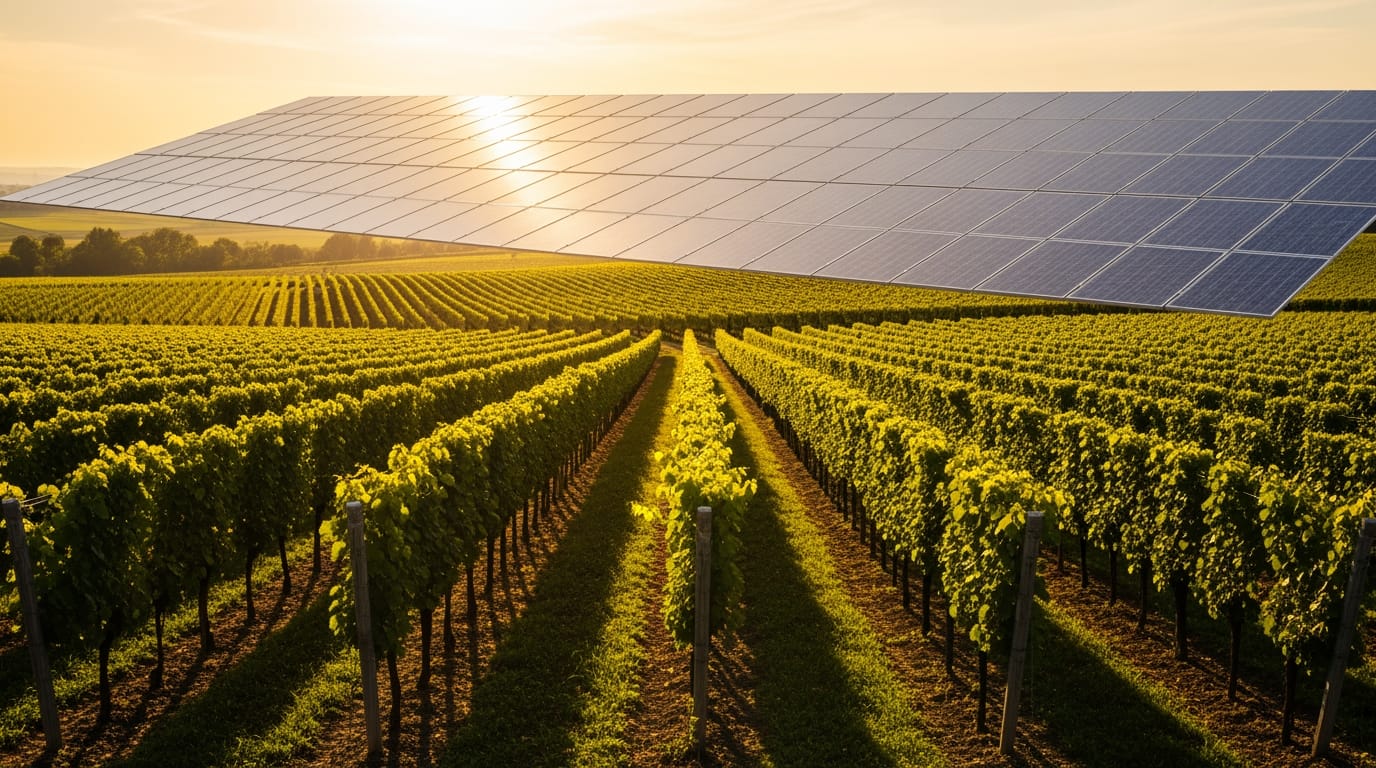
Germany's renowned vineyards, historically shaped by a cooler climate, are now at the forefront of an innovative agricultural revolution, deploying solar energy systems directly above their cherished grapevines. This pioneering approach, dubbed "VitiVoltaic," integrates photovoltaic technology into viticulture, offering a dual solution: generating renewable electricity while simultaneously safeguarding delicate grape crops from the increasingly volatile impacts of climate change. As extreme weather events threaten the traditional character and economic viability of German wines, researchers and winemakers are turning to these elevated solar canopies to create crucial microclimates, ensuring the future of a millennia-old tradition.
Climate's Shifting Terroir: A Challenge for German Wine
For centuries, German viticulture thrived in a cooler climate, leading to the distinctive crispness and acidity characteristic of its white wines, particularly Riesling. However, a significant warming trend has reshaped the landscape. Average temperatures between April and October have risen by more than one degree Celsius since 1990, shifting grape harvests from early October to early September. While this has opened doors for new grape varieties, allowing those typically associated with more southern regions like Chardonnay and Sauvignon Blanc to ripen successfully, it also introduces unprecedented challenges. The German Wine Institute reported a 9.8% drop in wine production in 2024, one of the lowest volumes in 15 years, attributing it to spring rains, mildew, late frosts, and hail storms.
The perils extend beyond altered ripening cycles. Increased sun exposure can lead to sunburn damage on grapes, while higher temperatures result in grapes with elevated sugar levels and reduced acidity, fundamentally changing the flavor profile of traditional German wines. Furthermore, extreme weather events like late frosts, heavy rains, hail, and prolonged droughts are becoming more frequent and severe, posing significant threats to grape yields and quality. Protecting vines from these adversities has become paramount for the industry's survival.
VitiVoltaic: A Dual-Purpose Canopy for the Future
To counteract these climate-induced pressures, German viticulturists are experimenting with VitiVoltaic systems, a specialized form of agrivoltaics tailored for vineyards. This technology involves installing elevated structures of semi-transparent solar panels above rows of grapevines, creating a protective "roof." These modules are mounted high enough to allow agricultural machinery and workers to operate unimpeded beneath them. Some advanced systems incorporate automatic tracking capabilities, enabling the panels to adjust their angle to optimize both light capture for electricity generation and shading for the vines below.
The primary benefit for the vines is immediate physical protection. The solar canopies shield grapes from hail, heavy rain, and excessive direct sunlight, preventing sunburn and physical damage. Beyond physical barriers, these systems actively modulate the microclimate around the vines. At Hochschule Geisenheim University (HGU) in the Rheingau region, a test facility demonstrates that temperatures beneath the panels can be three to four degrees Celsius lower, and radiation is reduced, leading to slower grape ripening. This delayed ripening can help maintain the balanced acidity levels crucial for German white wines, effectively pushing the grapes "back to the future" to conditions more suitable for cool-climate varieties.
Cultivating Healthier Grapes and Generating Power
The controlled microclimate fostered by VitiVoltaic systems offers several agronomic advantages. Reduced soil water evaporation means vines retain more moisture, making them more resilient during droughts and decreasing the need for irrigation. The drier canopy beneath the modules can also reduce pest infestations and the prevalence of fungal diseases, potentially lowering the need for chemical plant protection products. The HGU's experimental facility, partly funded by the European Union and state funds, has yielded promising results. Sensors monitoring soil moisture, temperature, and light have shown no damage from sunburn or heavy rain under the panels, contrasting sharply with severe impacts in unprotected reference areas.
Furthermore, the VitiVoltaic systems provide a new revenue stream through electricity generation. A young winemaker in Oberkirch, Christoph Vollmer, plans to install panels over two hectares of his vineyard, aiming to generate approximately 1.5 megawatt-hours per year. The generated electricity can power winery operations, including production, storage, logistics, and even charge agricultural machinery like autonomous caterpillar tractors, reducing manual labor on steep slopes. This dual income of wine and electricity enhances the overall resilience and profitability of wineries.
Navigating Economic Realities and Future Expansion
Despite the clear environmental and agricultural benefits, the widespread adoption of VitiVoltaic technology faces significant hurdles, primarily economic. Initial investment costs (CAPEX) for these specialized systems are high, and current revenues from combined grape and energy production often do not make them economically viable for widespread adoption under existing conditions in Germany. A study focusing on Geisenheim found that high initial costs and insufficient revenue lead to negative net present values over a 20-year period across various simulated scenarios.
However, potential improvements, such as premium pricing for the wine produced, higher feed-in tariffs for solar electricity, and increased self-consumption of the generated energy, could make these systems more financially attractive. Engineer Christoph Vollmer, while installing systems on his own vineyard, acknowledges inquiries are frequent, but a lack of grid connections often dampens enthusiasm. The length of power lines needed and the ability to sell electricity locally are crucial for economic efficiency, but approval processes can be protracted due to changes in land use. Researchers at HGU continue to test more affordable and mobile systems, like those attached to existing vineyard posts, acknowledging that "we definitely don't have time to wait any longer" for optimal solutions. Geospatial analyses are also underway to identify areas with high agrivoltaic potential in German viticulture, considering factors like grid proximity and slope.
A Sustainable Vintage on the Horizon
The integration of solar energy into German vineyards represents a proactive and multifaceted response to the existential threats posed by climate change. By providing critical protection from extreme weather, moderating microclimates, and simultaneously generating clean energy, VitiVoltaic systems offer a pathway to a more sustainable future for the German wine industry. While significant challenges, particularly financial and infrastructural, remain, ongoing research and pilot projects underscore a collective commitment to preserving a rich cultural heritage and producing high-quality wines for generations to come. The "watt wine" produced under these solar canopies symbolizes not just a resilient vintage, but a powerful fusion of tradition and innovation.