Supreme Court Blocks Trump Administration's Freeze on $2 Billion in Foreign Aid
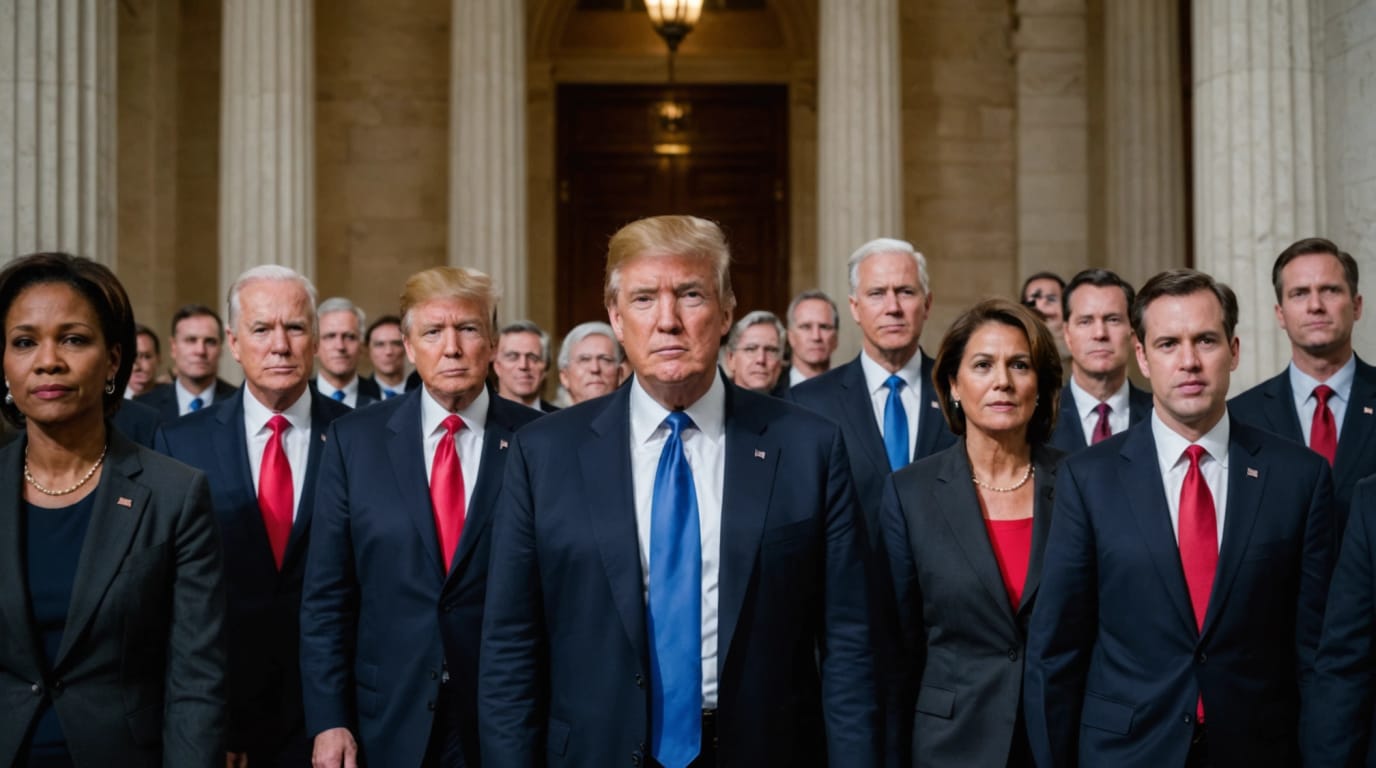
In a significant setback for the Trump administration, the Supreme Court on Wednesday rejected a request to block a lower court's order, effectively compelling the release of nearly $2 billion in frozen foreign aid. The ruling marks a notable legal defeat for the administration amidst numerous challenges to its policies.
Divided Court Sides Against Administration
The Supreme Court, in a 5-4 decision, denied the administration's emergency application to halt a previous order from U.S. District Judge Amir Ali. This order had directed the State Department and the U.S. Agency for International Development (USAID) to disburse the funds, which are reimbursements for work already completed by foreign aid groups and contractors. Chief Justice John Roberts and Justice Amy Coney Barrett sided with the court's liberal justices in the decision.
The brief, unsigned opinion from the court acknowledged that the February 26th deadline for the government to make the payments had already passed. The court instructed Judge Ali to clarify the government's obligations to ensure compliance with the temporary restraining order, specifically addressing the feasibility of the compliance timelines.
Dissenting Justices Voice Strong Objections
Four of the court's conservative justices dissented, expressing strong disagreement with the majority's decision. Justice Samuel Alito, joined by Justices Clarence Thomas, Neil Gorsuch, and Brett Kavanaugh, described himself as "stunned" by the ruling. In a dissenting opinion, Alito called the decision "a most unfortunate misstep that rewards an act of judicial hubris and imposes a $2 billion penalty on American taxpayers."
Background of the Dispute
The legal battle stems from President Trump's executive order issued last month, which directed a halt to the distribution of foreign aid funds. The administration argued that this freeze was necessary to allow federal agencies to review and potentially redirect the funds. However, aid organizations and contractors challenged the freeze, arguing that it violated existing agreements and would severely disrupt critical aid programs.
Judge Ali initially issued a temporary restraining order, preventing the administration from suspending the payments. He then set a firm deadline of February 26th for the administration to pay all outstanding invoices, totaling approximately $2 billion. The Justice Department argued that this timeline was "impossible" to meet.
Implications and Future Proceedings
The Supreme Court's decision delivers a near-term victory to international aid groups and contractors who have been seeking payment for completed projects. However, the legal battle is far from over. Judge Ali is expected to hold a hearing on Thursday, March 6th, regarding the aid groups' motion for a preliminary injunction. If granted, this injunction would further suspend the freeze on foreign assistance funding.
The dispute could potentially return to the Supreme Court as an emergency appeal, depending on the outcome of the preliminary injunction proceedings. This ongoing legal saga highlights the deep divisions surrounding the administration's foreign policy and its authority over the allocation of foreign aid.
Impact on Foreign Aid Programs
The frozen funds were intended for a wide range of foreign aid programs, including those focused on humanitarian assistance, global health initiatives, and economic development. The delay in payments has already had a significant impact on these programs, forcing organizations to scale back operations and potentially jeopardizing critical services.
The Supreme Court's decision offers a temporary reprieve, but the uncertainty surrounding the future of these funds remains a concern for aid organizations and the communities they serve. The potential disruption to these programs could have far-reaching consequences, particularly in developing countries that rely on U.S. assistance.
A Broader Legal Battle
This case is just one of many legal challenges that the Trump administration has faced since taking office. Numerous lawsuits have been filed by Democratic attorneys general, federal workers, labor unions, and other groups, challenging various administration policies. These legal battles reflect the deep political divisions in the country and the ongoing struggle over the scope of presidential power.
While some of these lawsuits have resulted in temporary rulings that block or delay administration policies, few have reached a final resolution. The Supreme Court's decision in this foreign aid case represents a significant, albeit potentially temporary, setback for the administration. The ultimate outcome of these legal challenges will have a profound impact on the future of U.S. policy and the balance of power between the executive and judicial branches.
Conclusion
The Supreme Court's decision to block the Trump administration's freeze on $2 billion in foreign aid marks a significant legal and political development. While providing immediate relief to aid organizations and contractors, the ruling also underscores the ongoing legal battles and deep divisions surrounding the administration's policies. The future of these funds and the broader implications for U.S. foreign aid programs remain uncertain as the legal proceedings continue.


