Supreme Court To Hear Petitions Against Chief Election Commissioner Gyanesh Kumar
The legal challenge tests whether India's election chief can bypass fellow commissioners during a sweeping voter-list revision that opponents claim removed millions from draft electoral rolls.
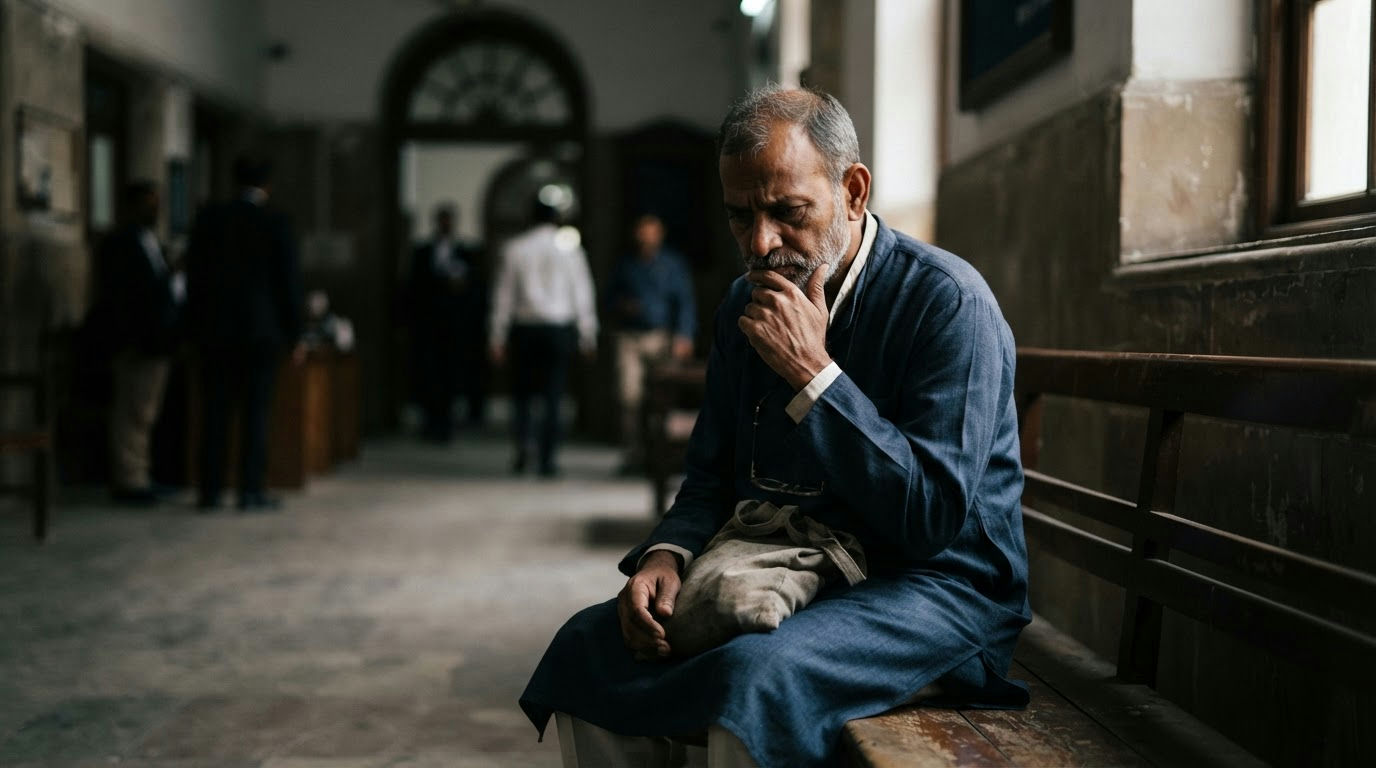
The Supreme Court of India agreed to hear petitions on Oct. 5, 2026, challenging Chief Election Commissioner Gyanesh Kumar over alleged unilateral decisions made during an intensive revision of electoral rolls. A three-judge bench comprising Chief Justice Surya Kant, Justice Joymalya Bagchi and Justice V. Mohana listed the matters for review in New Delhi.
The petitions accuse Kumar of exceeding his authority by issuing directives without obtaining concurrence from fellow Election Commissioners Sukhbir Singh Sandhu and Vivek Joshi. The filings state that Sandhu and Joshi formally lodged at least 14 objections between late 2025 and August 2026 against decisions involving software changes, database management and voter-registration rules.
One petition, submitted by Rakesh Kumar Singh, argues that the Election Commission is a multi-member body governed by collective decision-making. The filing contends that the chief commissioner holds no individual veto power under the statutory framework and asks the court to suspend Kumar pending a final verdict.
A second petition, filed by lawyer Shailendra Mani Tripathi, seeks criminal prosecution against Kumar and other senior commission officials under Section 32 of the Representation of the People Act, 1950. Tripathi asked the court to establish a Special Investigation Team headed by a retired Supreme Court justice to examine the reported removal of approximately 130 million names across 30 states and union territories.
The filings point to digital modifications made to Form 6, which registered voters use to enroll, without statutory amendments to election rules. The petitions also dispute the handling of voter verification systems, citing cases where local software lacked tools to restore qualified electors. They further allege that about 1.61 million appeals were filed in West Bengal in the name of the commission without the knowledge of the other two commissioners.
The Election Commission has defended the voter revision, saying the exercise identifies eligible electors and purges duplicate or obsolete entries to improve roll accuracy. The poll authority stated that its actions complied with the law and rejected claims of political manipulation.
The Supreme Court will examine the commission's primary records and consider requests for interim relief, including the suspension plea and the preservation of server data.