Syria Intensifies Security Amidst Reports of Mass Killings in Alawite Region
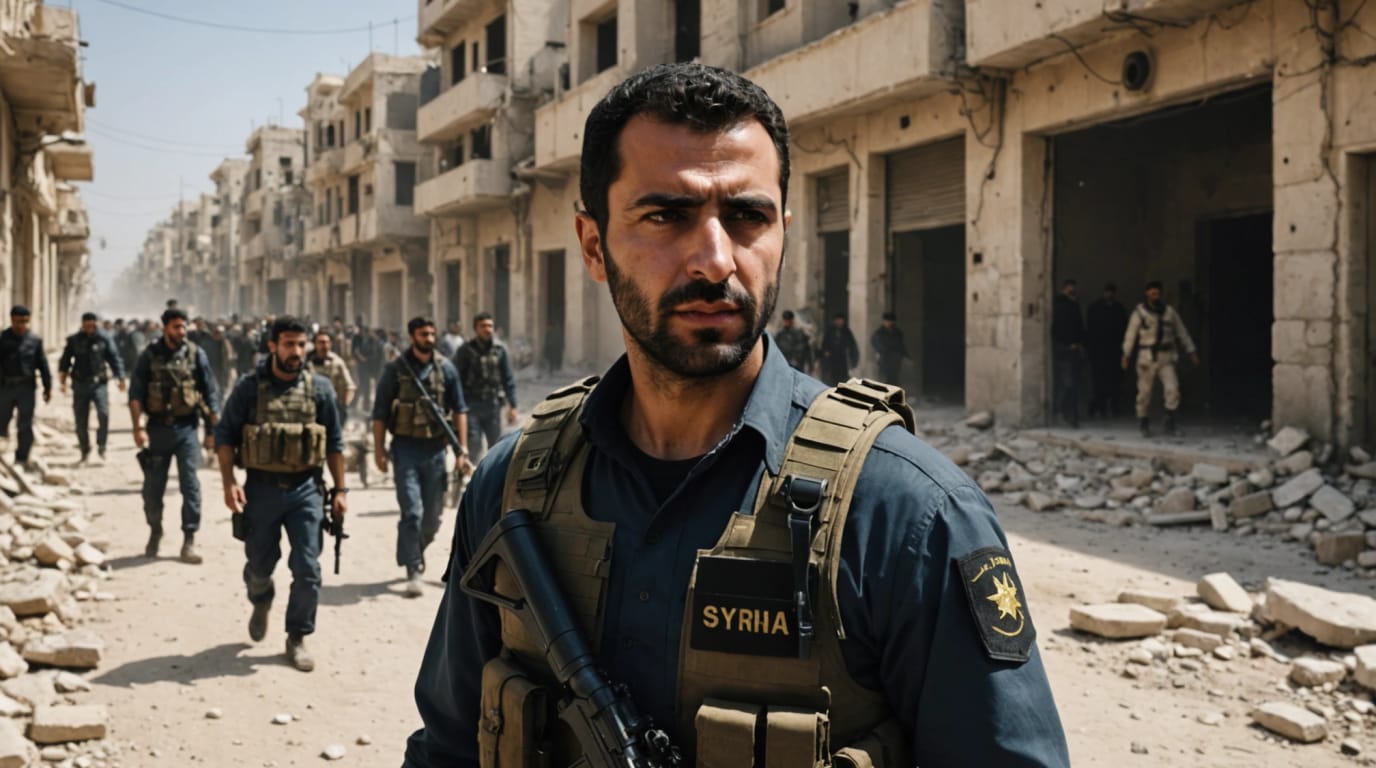
DAMASCUS, Syria – The Syrian government is bolstering security measures in the coastal regions of Latakia and Tartous following reports of mass killings targeting the Alawite minority. The surge in violence marks the deadliest clashes since the ouster of President Bashar al-Assad in December, raising concerns about sectarian tensions and the stability of the newly formed government.
Escalating Violence and Security Response
Clashes erupted Thursday after a series of attacks and ambushes in the Latakia and Tartous governorates, the homeland of the Alawite minority, to which the Assad family belongs. Interim President Ahmed al-Sharaa, who commanded the rebel alliance that removed al-Assad, has called on pro-Assad fighters to surrender, vowing accountability for attacks on civilians. The government has imposed a curfew and deployed reinforcements to the region in an attempt to restore order.
The Syrian Ministry of Defense has sent "massive military reinforcements" to Jableh and surrounding areas, according to the state news agency SANA. A security official stated that the operation aims to "eliminate the remnants of Assad's militias and their supporters," urging civilians to remain indoors and report any suspicious activity.
Reports of Mass Killings and Retaliatory Attacks
The Syrian Observatory for Human Rights (SOHR), a war monitor, reported Saturday that at least 340 Alawite civilians have been killed in the coastal regions and the Latakia mountains by security forces and allied groups since the clashes began. The SOHR indicated that the killings were "executions" carried out by security personnel or pro-government fighters, accompanied by "looting of homes and properties." Other reports put the number even higher. PBS reported that the Britain-based Syrian Observatory for Human Rights said that 428 Alawites have been killed in revenge attacks in addition to 120 pro-Assad fighters and 89 from security forces.
Residents of Alawite villages and towns have reported killings of Alawites, the majority of them men, in the streets or at the gates of their homes. Many homes of Alawites were looted and then set on fire in different areas, two residents of Syria's coastal region told the AP from their hideouts. They asked that their names not be made public out of fear of being killed by gunmen, adding that thousands of people have fled to nearby mountains for safety.
The killings followed clashes sparked by the arrest of a wanted individual by security forces in a predominantly Alawite village, the Observatory reported.
Political and Social Implications
The recent violence has sparked protests and condemnation from various groups. Demonstrations have occurred in several areas, including Suwayda in southern Syria, rejecting the authority of the government led by al-Sharaa. The Supreme Alawite Islamic Council in Syria and the diaspora condemned the "bombing of civilian homes" and called for peaceful sit-ins to protest injustice.
The council has also urged the United Nations, Russia, and the international community to place the Syrian coast and Alawite areas under UN protection and enforce Chapter VII of the UN Charter to protect the Alawite community and other minorities.
Alawite activists say their community has been subjected to violence and attacks since al-Assad fell, particularly in rural Homs and Latakia. While al-Sharaa has pledged to run Syria in an inclusive way, no meetings have been declared between him and senior Alawite figures, in contrast to members of other minority groups such as the Kurds, Christians and Druze.
International Response and Concerns
Russia, a longtime ally of Assad, has called on Syrian authorities to "do their utmost to put an end to the bloodshed as soon as possible." Russia's foreign ministry reaffirmed its commitment to Syria's "sovereignty, unity, and territorial integrity." Dozens of civilians have gathered outside Russia's main airbase near Jableh seeking Moscow's protection.
The International Committee of the Red Cross (ICRC) has expressed "extreme concern" about the violence in Latakia and Tartous governorates. The ICRC urged all parties to "ensure unimpeded access to health care and protection of medical facilities" and called for safe access for first responders and humanitarian workers to provide medical aid and transport the wounded and dead.
Challenges for the New Government
Restoring security across Syria has been one of the biggest challenges for interim President Ahmed Al-Sharaa since he took office in Damascus. The country remains divided, with various anti-government armed factions operating in different provinces after 13 years of devastating war.
The transitional government has blamed pro-Assad forces for attacks on security units but has also condemned retaliatory violence against Alawite communities. Transitional President Ahmad al-Sharaa urged former regime fighters to surrender their weapons while cautioning pro-government forces against targeting civilians or mistreating detainees.
A Fragile Peace
As security forces continue sweeping operations and deploying reinforcements, the region remains tense. The violence has exacerbated sectarian divisions and raised fears of further escalation. The ability of the new government to address the grievances of the Alawite community, ensure accountability for the killings, and promote reconciliation will be crucial for preventing further bloodshed and fostering long-term stability in Syria.


