Syria Reels From Deadliest Clashes Since Assad's Ouster
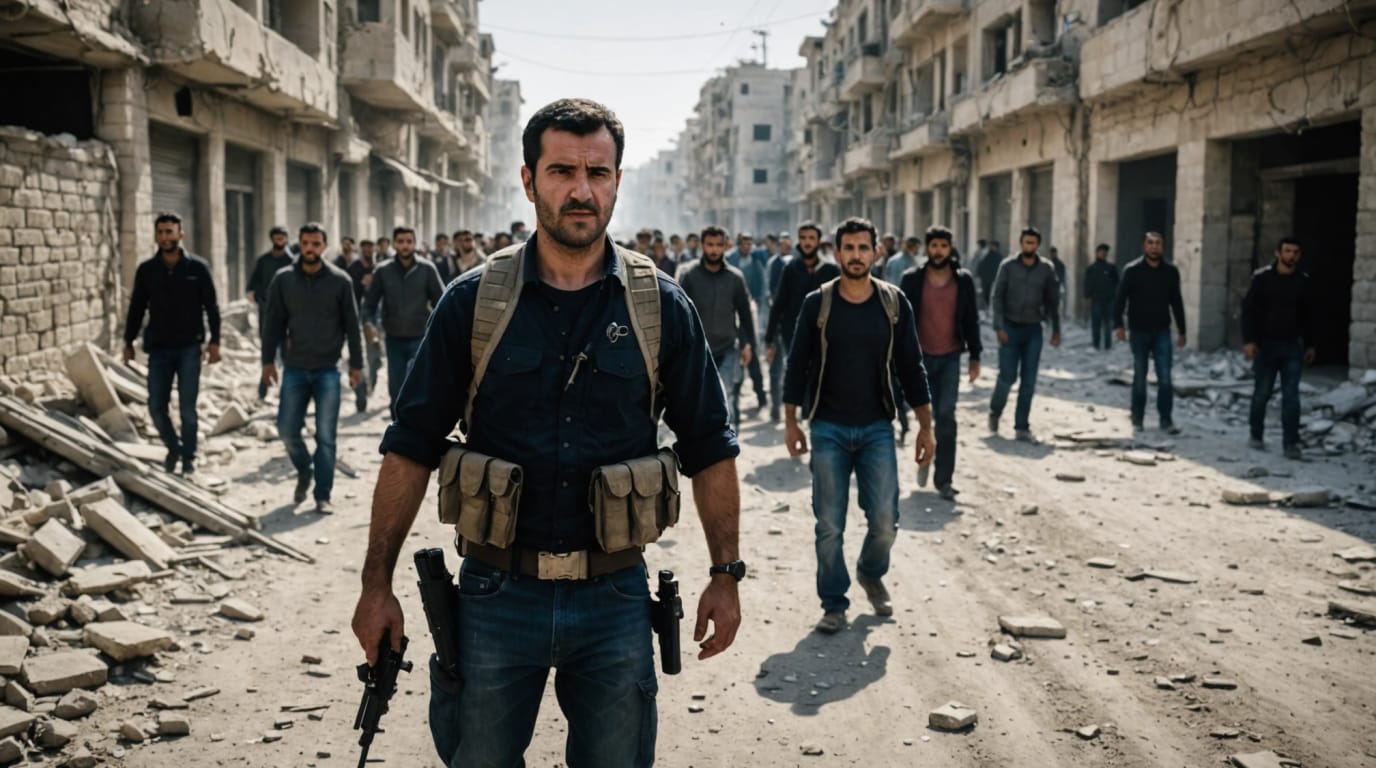
Syria is experiencing its worst surge of violence since the ouster of Bashar al-Assad in December, with clashes between security forces and loyalists of the former president leaving dozens dead and raising concerns about the stability of the war-torn nation. The recent escalation threatens to undermine the efforts of the new interim government to consolidate control and unify the country after years of civil war.
Coastal Region Erupts in Violence
The most intense fighting has been concentrated in the coastal province of Latakia, a stronghold of the Alawite minority sect to which the Assad family belongs. Gunmen loyal to Assad launched coordinated attacks on security personnel in the town of Jableh and surrounding areas on Thursday, resulting in the deaths of at least 16 members of the security forces, according to the Syrian Observatory for Human Rights. Some reports indicate the death toll may be as high as 48. The clashes have been described as the "most violent" since Assad's removal from power.
Syrian state media reported that the attacks were carried out by "remnants of Assad's militias" and that reinforcements were being deployed to the area to restore order. The security director for Latakia province identified the gunmen as being affiliated with Suhail al-Hassan, a former special forces commander known as "The Tiger" and considered a close confidant of Assad. Alawite community leaders, however, allege that helicopter strikes by security forces targeted peaceful protesters demonstrating against the government actions.
Curfews and Crackdowns
In response to the escalating violence, local authorities in the coastal city of Tartus have imposed a curfew, restricting movement from 10 p.m. to 10 a.m. Exceptions are in place for emergency situations and essential workers. The stated aim of the curfew is to maintain public order and ensure the safety of residents.
The new Syrian government, led by interim President Ahmed al-Sharaa, has launched campaigns to root out Assad loyalists from their former strongholds. While authorities describe these operations as targeting "regime remnants," reports have emerged of violations, including the seizing of homes, field executions, and kidnappings. The government has acknowledged some incidents and vowed to pursue those responsible.
National Dialogue and Unification Efforts
Since assuming power, the interim government has focused on unifying Syria, building state structures, and reviving the country's struggling economy. A key component of this effort is a national dialogue aimed at creating an inclusive transitional government and laying the groundwork for a new constitution.
In February, a National Dialogue Conference was held, resulting in a final statement calling for a temporary constitutional declaration, the preservation of Syrian unity and sovereignty, respect for human rights, and economic development policies. A transitional justice body was also formed. However, the conference has faced criticism for being hastily organized and underrepresented.
Regional Tensions and External Involvement
The situation in Syria remains complex, with numerous armed groups vying for control and external actors playing significant roles. Turkey continues to back the Syrian National Army (SNA), while the U.S.-backed Syrian Democratic Forces (SDF) control areas in the northeast. Israel has also conducted military actions targeting Syrian military assets and has maintained a presence in the Golan Heights buffer zone, citing security concerns.
The ongoing conflict between the Turkish forces and the SNA against the SDF is a major concern, with daily hostilities impacting civilians. The presence of various armed groups and the involvement of external actors further complicate the efforts to achieve lasting peace and stability in Syria.
Humanitarian Crisis Deepens
The recent violence has exacerbated the already dire humanitarian situation in Syria. Years of conflict have left the country with a devastated economy, widespread displacement, and a severe food crisis. Projections for early 2025 indicate below-average rainfall and above-average temperatures, which will disrupt food production and further limit access to clean water.
According to the International Rescue Committee (IRC), 90% of Syrians live in poverty, and humanitarian needs are at an all-time high. The IRC ranks Syria fourth on its 2025 Emergency Watchlist, highlighting the country's ongoing extreme uncertainty.
Uncertain Future
The upsurge in violence and the ongoing challenges facing the interim government underscore the fragility of the situation in Syria. While the ouster of Assad offered a glimmer of hope for a new chapter, the country remains deeply divided, with numerous obstacles to overcome. The success of the national dialogue and unification efforts will be crucial in determining whether Syria can emerge from the ashes of war and build a more stable and prosperous future. However, the recent escalation serves as a stark reminder of the deep-seated tensions and the long road ahead.


