Syrian Military Declares End to Operation Against Assad Loyalists
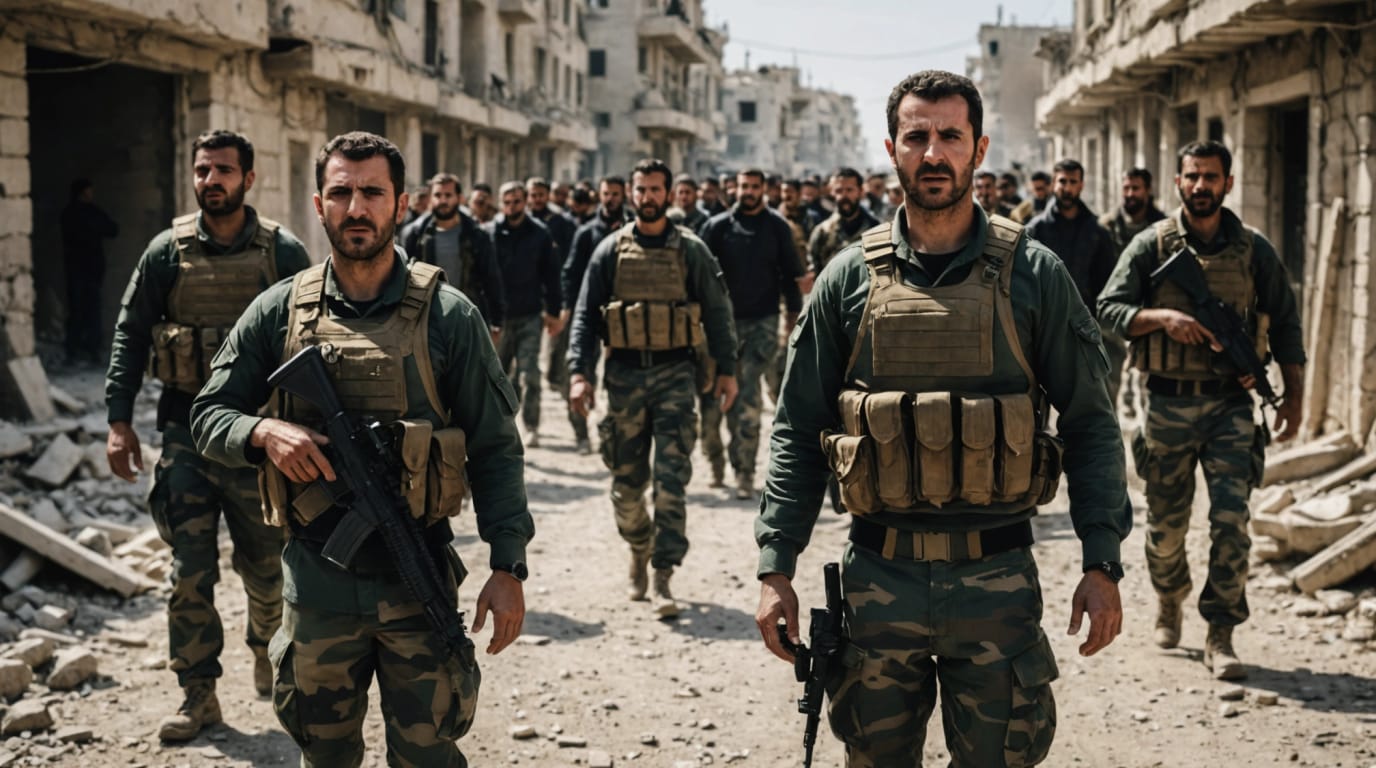
DAMASCUS, Syria – The Syrian Defense Ministry announced Monday the conclusion of its military operation targeting loyalists of the ousted former President Bashar al-Assad in the coastal provinces of Latakia and Tartus. The operation, launched last week, aimed to neutralize remaining security cells and restore stability to the region, a stronghold of the former regime.
Neutralizing the Threat
According to a statement released by ministry spokesperson Hassan Abdul Ghani, Syrian forces successfully "neutralized security cells and remnants of the former regime" in several key towns. These included Al Mukhtareyah, Muzayraa, and Al-Zubar in Latakia, as well as Ad Dali, Ta'nita, and Al Qadmus in Tartus. The ministry claims these actions have thwarted threats and secured the area, allowing public institutions to resume operations and provide essential services.
The spokesperson emphasized that the military successfully repelled attacks from former regime elements, pushing them away from strategic locations and securing main roads previously used to target civilians. The ministry maintains that these efforts have prevented further harm to civilians and essential government facilities.
Shifting Focus to Stability
With the military operation officially over, Syrian security agencies are now reportedly shifting their focus to maintaining long-term stability in the region. Plans are underway to bolster security operations, prevent any resurgence of Assad loyalists, dismantle remaining criminal cells, and ensure lasting peace in the liberated areas.
Abdul Ghani stated that the Defense Ministry has developed "new plans to continue combating the remnants of the former regime, eliminate any future threats, and prevent the reorganization of criminal cells." The ministry will also grant an investigative committee full access to investigate past injustices.
Discovery of Mass Grave
The announcement of the operation's conclusion follows reports of intense clashes between Syrian forces and Assad loyalists over the past week. State news agency SANA reported Sunday the discovery of a mass grave near Qardaha, Assad's hometown, containing the bodies of recently killed security forces. Other sources indicate that over 300 security force members were killed in coordinated attacks and ambushes.
Background of the Conflict
Bashar al-Assad's family ruled Syria for decades with an iron fist. His father, Hafez al-Assad, seized power in 1970 and brutally suppressed any dissent. Bashar inherited the presidency in 2000. The Assad regime was known for its authoritarianism, corruption, and human rights abuses.
The Syrian civil war began in 2011, sparked by protests against Assad's rule during the Arab Spring uprisings. The conflict quickly escalated into a full-blown civil war, drawing in regional and international powers. The war has resulted in hundreds of thousands of deaths and has displaced millions of Syrians, creating a massive refugee crisis.
Assad's forces, backed by Russia and Iran, have been accused of war crimes, including the use of chemical weapons against civilians. Despite international condemnation, Assad remained in power until his ouster earlier this year.
Implications for the Future
The successful completion of this military operation marks a significant step for the new Syrian government in consolidating its control over the country. The removal of Assad loyalists from key areas is crucial for establishing stability and preventing further unrest.
However, challenges remain. The presence of remaining criminal cells and the potential for resurgence by Assad loyalists pose ongoing threats. The new government must address these challenges effectively to ensure lasting peace and security for all Syrians. The discovery of the mass grave near Qardaha serves as a stark reminder of the brutality of the Assad regime and the need for accountability. The investigative committee's work will be crucial in uncovering the truth and bringing those responsible for these atrocities to justice.
The international community will be watching closely to see how the new Syrian government handles these challenges and whether it can create a more just and equitable society for all Syrians. The path to lasting peace and reconciliation will be long and difficult, but the successful completion of this military operation offers a glimmer of hope for a better future.


