Syrians Return Home After Assad's Fall, But Challenges Loom
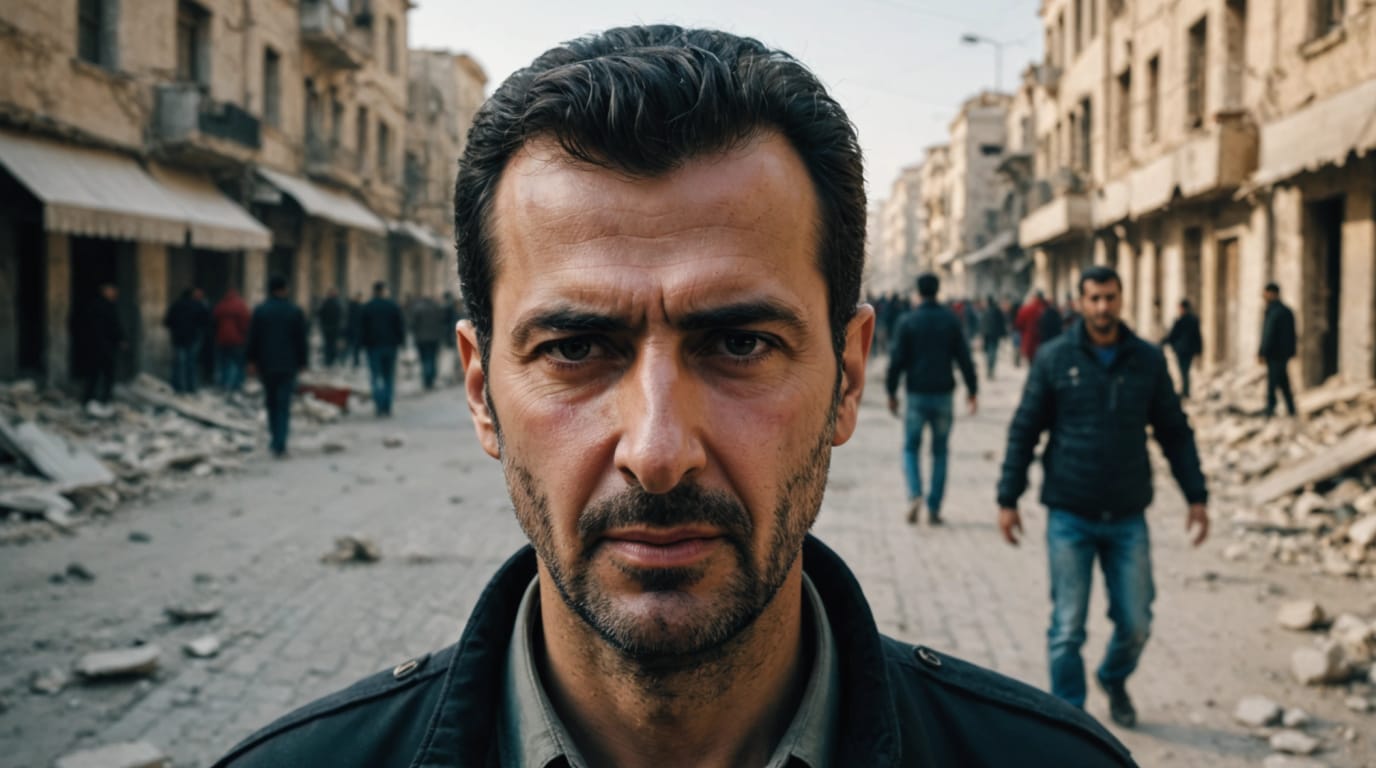
The ousting of Bashar al-Assad in early December 2024 by an Islamist-led coalition of rebel forces has sparked a wave of returns among Syrian refugees, raising hopes for an end to the 13-year civil war that left over half a million dead and millions displaced. While the initial weeks following Assad's fall saw nearly 200,000 Syrians returning to their homeland, significant challenges remain in rebuilding the war-torn nation and ensuring a sustainable future for its people.
Initial Surge of Returnees
The United Nations High Commissioner for Refugees (UNHCR), Filippo Grandi, announced in January that approximately 195,200 Syrian refugees had returned home between December 8, 2024, and January 16, 2025. This influx followed a lightning offensive that ousted Assad, fueling optimism for a new chapter in Syria's history. Footage shared online showed thousands of Syrians in Turkey driving towards the border, eager to return to their homes. Turkish President Recep Tayyip Erdoğan stated in March 2025 that over 133,000 Syrians living in Turkey had returned home since Assad's removal. The UNHCR estimates that over one million Syrians have returned home since the end of November 2024. This includes approximately 280,000 Syrians returning from neighboring countries like Turkey, Lebanon, and Jordan, and 800,000 internally displaced persons (IDPs).
Motivations for Return
The primary motivation for Syrians returning home is the improved security situation following Assad's fall. For years, the regime's brutality and the ongoing conflict served as major deterrents for refugees considering returning. Emma Beals, a nonresident fellow at the Middle East Institute, noted that the removal of Assad's government lifted a significant barrier for many Syrians. A UNHCR survey indicated that the percentage of Syrian refugees in Lebanon, Jordan, Iraq, and Egypt intending to return home within the next 12 months jumped from 1.4% to 27% following Assad's fall.
Daunting Challenges Await
Despite the initial enthusiasm, returnees face immense challenges in rebuilding their lives. Syria's infrastructure has been decimated by years of conflict, with nearly half of the country's health facilities partially or completely damaged. The economy is in shambles, with 90% of Syrians living in poverty. A UN official stated that Syria has lost 40 years of human development.
Economic Hardship
The widespread poverty and lack of employment opportunities are major concerns for returning Syrians. One returnee in Aleppo told Middle East Eye that he had not found work since his return and that the education his children were receiving was "very poor." The devaluation of the Syrian pound has triggered hyperinflation, making basic goods unaffordable for many families. Agriculture, once a cornerstone of Syria's economy, has been decimated by the war and climate change, leading to food insecurity for over half the population.
Damaged Infrastructure
Many returnees are finding their homes severely damaged or destroyed. A survey conducted by the UNHCR in northwest Syria revealed that 80% of homes in the area were either severely damaged or destroyed. In former frontline districts, this figure rises to 95%. The lack of basic services, such as electricity and clean water, further complicates the return process.
Political Instability
While Assad's removal has been widely celebrated, the future of Syria remains uncertain. The transitional government, led by President Ahmad al-Sharaa, faces the daunting task of unifying a fragmented nation and establishing a stable political system. Experts emphasize the importance of inclusivity and reconciliation in the transitional process. However, challenges remain, including the presence of armed factions and the potential for renewed conflict.
International Response and Reconstruction Efforts
The international community faces a complex situation in supporting Syria's reconstruction. While some countries, like the United Kingdom and European Union, have expressed willingness to amend sanctions regimes to support reconstruction efforts, significant obstacles remain. International sanctions, particularly those imposed by the United States, are seen as a major impediment to large-scale reconstruction. Some analysts caution against relying too heavily on the private sector for reconstruction, as this could lead to an imbalanced recovery that prioritizes commercial development over essential infrastructure.
The Long Road Ahead
The return of Syrian refugees marks a significant turning point in the country's long and arduous journey towards recovery. While the initial surge of returnees reflects a desire for a better future, the challenges ahead are immense. Rebuilding Syria will require a concerted effort from the transitional government, the international community, and the Syrian people themselves. Addressing the economic devastation, repairing damaged infrastructure, and fostering political stability are crucial steps in ensuring a sustainable and prosperous future for Syria. The social fabric of Syrian society also needs to be repaired through investment from all stakeholders. Education will be crucial in rebuilding Syria into a vibrant, inclusive, prosperous country.


