Syria's Drug Trade Persists Despite Assad's Ouster
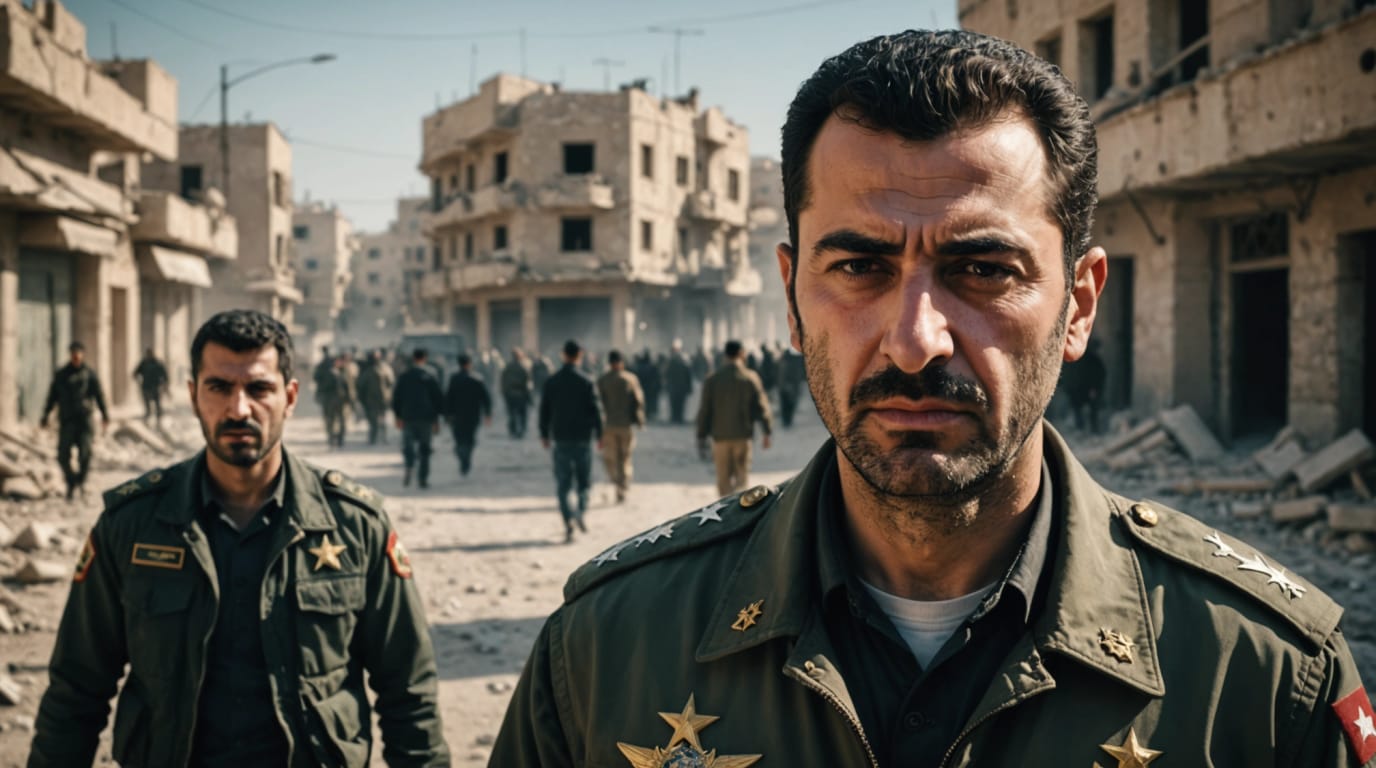
The fall of Syrian President Bashar al-Assad has revealed the extensive involvement of his regime in the production and trafficking of Captagon, an amphetamine-like stimulant. While Assad is gone, the intricate networks established during his rule continue to operate, posing a significant challenge to regional stability and international efforts to combat drug trafficking.
The Rise of Captagon Under Assad
During the Syrian Civil War, the Assad regime ramped up mass production of drugs within Syria, including fenethylline, commonly referred to as "Captain Courage". Syria became the world's largest producer of Captagon. The drug trade became a crucial source of income for the Assad government, helping to prop up the economy during the conflict. It is estimated that about 80% of Captagon was produced in Syria and exported from the port of Latakia with the assistance of the Ba'athist Syrian government under the command of Maher al-Assad.
The value of intercepted shipments was estimated at $5.7 billion in 2021, several times greater than Syria's legitimate exports, worth a mere $860 million in 2020. Captagon became Syria's most valuable export, providing billions in profit for “regime-aligned networks and individuals … either within the leadership of the regime's security apparatus, Syria's commercial sector and business elite, and/or family members of Bashar al-Assad”. Maher al-Assad, Bashar's brother and commander of the Fourth Division, has been identified as a key player, profiting from protecting shipments through Latakia, a former Assad stronghold.
Uncovering Drug Factories
Since the collapse of the Baath regime on December 8, drug manufacturing centers across Syria have been steadily uncovered. A villa in Syria's capital Damascus was identified as a drug production hub linked to Maher al-Assad. Inside the villa, rooms were filled with dozens of barrels containing raw materials and machinery used for drug production. It has come to light that the former regime confiscated villas owned by civilians, converting these properties into drug production sites. According to the footage, some of the equipment used for manufacturing drugs was originally designed for pharmaceutical production.
Other locations used for manufacturing the drug were the Mazzeh air base in Damascus, a car-trading company in Latakia and a factory that once made snack chips in the Damascus suburb of Douma. Government forces seized the factory in 2018.
The Impact on Regional Security
The Captagon trade has had a destabilizing effect on the region. Syria exported the drug to various countries, mainly in the Middle East region, including Jordan, Iraq, Saudi Arabia, Gulf states, and Egypt. Over the years, hundreds of millions of Captagon pills were smuggled into Jordan, Iraq, Saudi Arabia, and Gulf countries. One of the main smuggling routes was through the Anbar province, which borders Syria, Jordan, and Saudi Arabia.
In 2021, more than 250 million Captagon pills were seized worldwide, 18 times more than the number of pills seized in 2017. Additionally, in 2022, Jordan seized 65 million Captagon pills in Syria en route to its territory. In May 2022, the Jordanian government accused Iran of launching a "drug war" against the country, through its Khomeinist proxy militias based in Syria's southern regions. Officials in the Jordanian army described the rise in drug smuggling as part of an "undeclared war" waged to subvert "families, morals and values".
The Future of the Captagon Trade
Despite the change in leadership, experts believe that the Captagon trade is unlikely to disappear completely. Traffickers will seek out new transit and production sites with low risks. It is also possible that other countries in the region, such as Iraq, Turkey, Lebanon, Egypt, Libya, and Kuwait, could inherit the Captagon trade.
With domestic Captagon production all but stopped, arms and other types of drugs—namely hashish and crystal meth—are likely to become more popular for smuggling networks along the border in the coming months.
International Efforts to Combat Drug Trafficking
In May 2023, Syria was readmitted to the Arab League, where it had been suspended since 2011 due to Assad's brutal crackdown on protesters. Syria pledged to clamp down on smuggling, leading to the formation of a regional security coordination committee. Shortly after the summit and in a possible sign of behind-the-scenes trade-offs, Jordan intensified surveillance along the Syrian border. Activists and experts attributed airstrikes on a known drug kingpin's home and on a suspected Captagon factory near Daraa to Jordan, likely with Assad's consent.
The international community continues to work to dismantle the Captagon industry and hold those responsible accountable. However, the complex political and security situation in Syria makes it difficult to effectively address the problem.
Conclusion
The ousting of Bashar al-Assad marks a significant turning point for Syria, but the fight against the Captagon trade is far from over. The networks established during his rule continue to operate, posing a threat to regional stability and international security. Concerted efforts are needed to dismantle these networks, address the underlying causes of drug production and trafficking, and provide support to affected communities. The future of Syria and the region depends on effectively addressing this challenge.


