Taiwan Metro System Rocked by Coordinated Attacks, Leaving Casualties and Heightened Alert
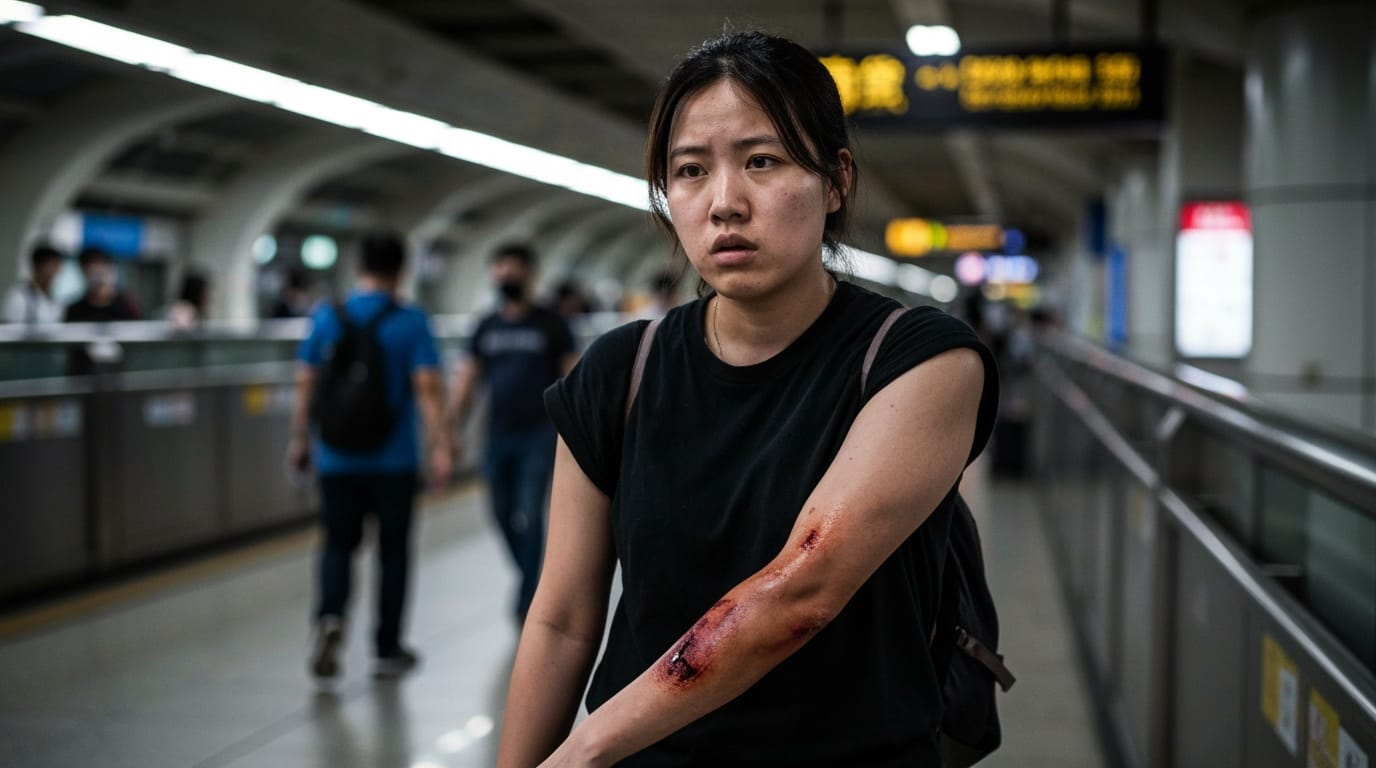
TAIPEI, Taiwan – A series of violent incidents struck Taiwan’s capital today, leaving at least two people dead and several more injured after coordinated attacks at a major transit hub and a nearby shopping complex during the evening rush hour. The assaults, involving smoke bombs and a knife, plunged parts of Taipei into chaos and prompted immediate calls for calm and increased security from top government officials.
The unsettling events began around 5:30 p.m. local time, when an assailant reportedly deployed smoke bombs at MRT Taipei Main Station, a bustling transportation hub. Shortly thereafter, further attacks, including a knife assault, occurred at the MRT Zhongshan Station and the adjacent Eslite Nanxi shopping complex. Authorities swiftly responded, but the incidents left a trail of casualties and reignited public anxieties about safety in Taiwan's usually secure urban environments, drawing comparisons to past metro violence that has left an indelible mark on the nation.
The Unfolding Attacks and Immediate Aftermath
The initial incident at MRT Taipei Main Station involved an individual throwing smoke grenades, causing panic and injury to at least one person, a 57-year-old male, who reportedly suffered cardiac arrest and was rushed for emergency treatment. The smoke briefly disrupted train services as it drifted onto platforms, with trains temporarily passing through the station without stopping. While police provided no immediate information on the perpetrator's identity or motive in this specific incident, an investigation was immediately launched.
Minutes later, the violence escalated and moved northward from Taipei Main Station. A knife attack unfolded at the Eslite Nanxi shopping complex, located near MRT Zhongshan Station. Reports indicate three people sustained serious injuries and four others suffered minor injuries in this subsequent assault. Premier Cho Jung-tai confirmed that attacks at two metro stations in Taipei injured at least eight people, including three who suffered cardiac arrest. Other sources indicated at least two fatalities and seven injured, or three killed and five injured, highlighting the fluidity of information in the immediate aftermath of such an event.
The suspected assailant in these combined attacks reportedly died after falling from a height, possibly in an attempt to evade arrest. The individual, described as a knife-wielding attacker, was confirmed to have a prior criminal record and outstanding warrants, and police subsequently searched their residence. The rapid sequence of events across multiple locations during the evening commute underscored the alarming nature of the incident, leaving commuters and shoppers in a state of shock and fear.
Official Response and Heightened Security
In the wake of the attacks, President Lai Ching-te took to social media to urge the public to remain calm, particularly those in crowded places like train stations. The President advised citizens to adhere to instructions from law enforcement personnel on-site and to promptly report any suspicious activities to police or station staff. Taipei Mayor Chiang Wan-an also addressed the public, confirming the smoke bombing at Taipei Main Station and the subsequent attacks at the Eslite Nanxi complex.
While MRT services were largely restored, both the Mayor and President emphasized that security measures and patrols across the entire metro system would remain significantly heightened. The swift and comprehensive response from authorities aimed to reassure a shaken public and prevent further incidents. Forensic teams were deployed to cordon off areas and collect evidence, initiating thorough investigations into the motives and circumstances surrounding these assaults. The city government pledged to release further information as it becomes available, emphasizing transparency in a time of uncertainty.
A Troubling Echo: Past Incidents on Taiwan's Rails
Today’s events inevitably bring to mind previous instances of violence that have marred Taiwan's public transportation systems, raising persistent questions about metro safety and security protocols. The most prominent of these was the May 21, 2014, Taipei Metro attack, a mass stabbing spree that resulted in four deaths and 24 injuries on a Bannan Line train between Longshan Temple and Jiangzicui stations. The perpetrator, Cheng Chieh, a then 21-year-old university student, was apprehended, tried, and subsequently executed in 2016. This incident was a stark first for the Taipei Metro since its inception in 1996 and deeply impacted public perception of safety. In its aftermath, significant security enhancements were implemented, including increased police deployment and emergency protocols across metro systems.
More recently, on May 21, 2024, exactly ten years after the Taipei attack, a similar stabbing spree occurred on a Taichung Metro train near Taichung City Hall station, injuring three people, including the attacker. This event, perpetrated by a nursing student, also prompted swift responses and discussions about mental health and public safety. In November 2024, another knife attack on a Taipei Metro Bannan Line train injured a 17-year-old student, with passengers intervening to subdue the assailant, a 41-year-old woman. The suspect in that case was later indicted for attempted murder.
These incidents, alongside today's tragic events, highlight a recurring vulnerability in public spaces and underscore the ongoing challenge for authorities to maintain an environment of safety and security for millions of daily commuters.
Moving Forward: Reassessing Public Safety
The coordinated attacks in Taipei today serve as a grim reminder of the persistent threats to public safety, even in societies with generally low crime rates. While the immediate focus remains on caring for the injured, investigating the incidents, and apprehending any remaining suspects, the larger implications for urban security are undeniable. The recurrence of such events, from the 2014 mass stabbing to the recent individual attacks and today's multi-pronged assault, forces a critical re-evaluation of current security measures, emergency response systems, and strategies for addressing potential threats.
The swift and decisive actions taken by emergency services and law enforcement, coupled with the rapid public advisories from government leaders, aim to restore confidence. However, the emotional toll on the public and the renewed sense of unease will undoubtedly linger. As investigations proceed, the public will be looking for comprehensive answers regarding the motives behind these attacks and robust assurances that every possible step is being taken to prevent future tragedies, ensuring the metro remains a safe and reliable mode of transport for everyone.


