Taliban Claim Afghan Women's Rights Protected Amidst International Condemnation
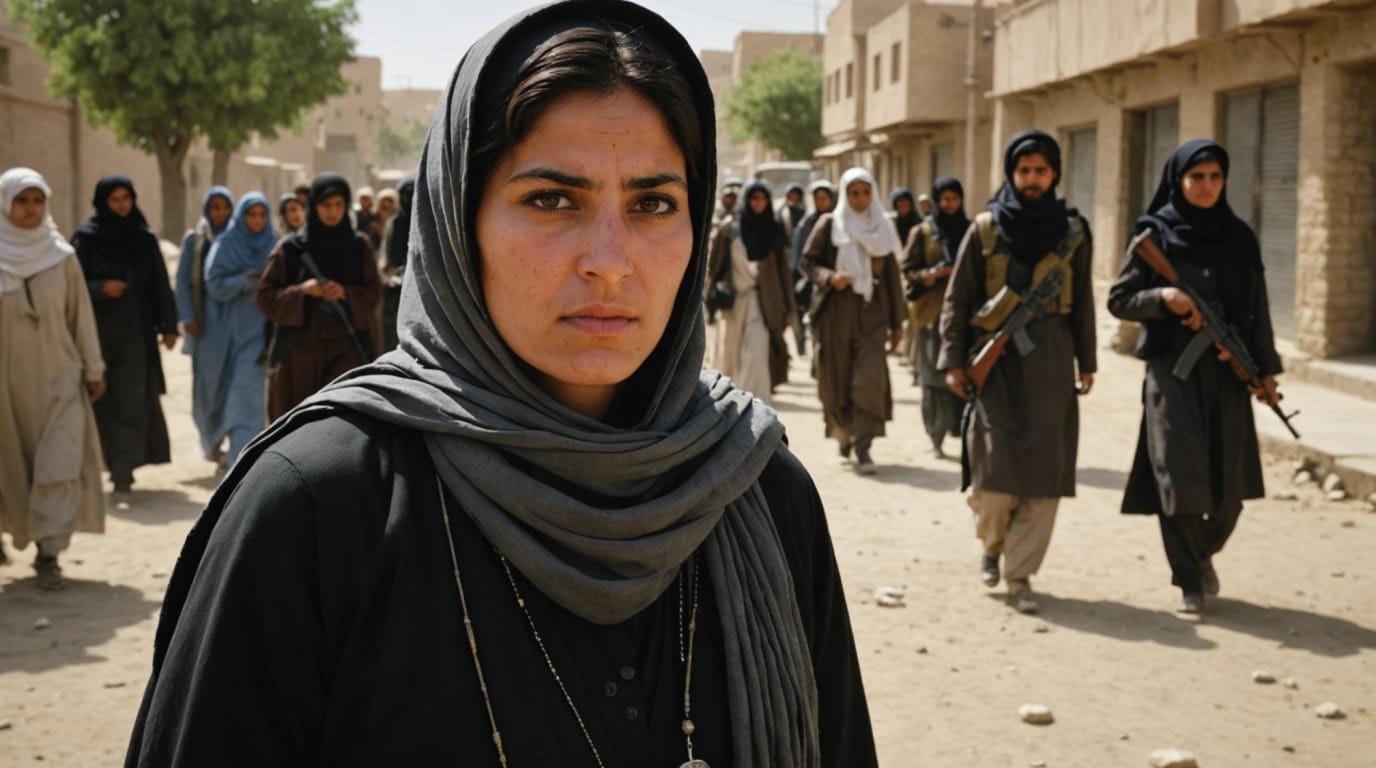
KABUL, Afghanistan – On International Women's Day, the Taliban asserted that Afghan women are living securely with their rights protected, a claim that sharply contrasts with the reality on the ground and has drawn strong condemnation from the United Nations and international human rights organizations. The Taliban's statement comes as they continue to enforce strict edicts that curtail women's freedoms and access to education and employment.
Since seizing control of Afghanistan in August 2021, the Taliban have steadily eroded women's rights, imposing restrictions that have effectively pushed them out of public life. These measures include barring girls from attending school beyond the sixth grade, prohibiting women from most forms of employment, and restricting their access to public spaces.
Restrictions on Education and Employment
The ban on education for girls above the age of 12 has had a devastating impact on the aspirations and potential of an entire generation of Afghan women. This policy not only deprives them of their fundamental right to education but also limits their future opportunities and contributions to society. Similarly, the restrictions on women's employment have left many families without a primary source of income, pushing them further into poverty.
The Taliban's Vice and Virtue Ministry has also implemented laws that dictate women's dress code and behavior in public. These laws include banning women's voices and requiring them to cover their faces outside the home. Such measures have created an environment of fear and repression, severely limiting women's ability to participate in social and economic activities.
International Condemnation and Calls for Action
The Taliban's claims of protecting women's rights have been met with skepticism and outrage from the international community. The United Nations has repeatedly called on the Taliban to reverse their policies and uphold the rights of Afghan women and girls.
Roza Otunbayeva, the head of the UN mission in Afghanistan, emphasized that "the erasure of women and girls from public life cannot be ignored." She reaffirmed the UN's commitment to investing in their resilience and leadership, recognizing their crucial role in Afghanistan's future.
Alison Davidian, special representative for U.N. Women Afghanistan, echoed this sentiment, stating that the world cannot accept a future for Afghan women that would never be tolerated elsewhere. She called for unwavering support for Afghan women, emphasizing that "our response to their erasure is a test of our commitment to women and girls everywhere."
Taliban's Justification Based on Islamic Law
In response to the criticism, Taliban spokesman Zabihullah Mujahid released a statement on X, formerly known as Twitter, asserting that the "dignity, honor, and legal rights of women were a priority" for the Taliban government, which they refer to as the Islamic Emirate.
Mujahid argued that the rights of Afghan women are being addressed within the framework of Islamic law and Afghan culture, which he claimed differ significantly from Western societies. He stated that "in accordance with Islamic law and the culture and traditions of Afghan society, the fundamental rights of Afghan women have been secured."
However, critics argue that the Taliban's interpretation of Islamic law is selective and serves to justify their discriminatory policies. They point out that many Muslim-majority countries have successfully integrated women into public life while upholding Islamic values.
The Impact on Afghan Society
The restrictions imposed on women have had a far-reaching impact on Afghan society. The absence of women in the workforce has crippled various sectors, including healthcare and education, where women previously played a vital role. The lack of access to education for girls has also created a skills gap, hindering the country's long-term development.
Moreover, the psychological impact on women and girls is immeasurable. The constant fear of reprisal and the denial of basic freedoms have led to increased rates of depression, anxiety, and other mental health issues.
A Bleak Future?
The future of Afghan women remains uncertain. While the Taliban have shown no signs of reversing their policies, the international community continues to exert pressure on them to uphold women's rights. However, without a significant change in the Taliban's approach, Afghan women face a bleak future of limited opportunities and restricted freedoms.
The situation in Afghanistan serves as a stark reminder of the importance of protecting women's rights and promoting gender equality around the world. It also highlights the need for continued international engagement and support for Afghan women as they strive to reclaim their rightful place in society.


