Taliban Crackdown on Hijab Violations Sparks Deadly Protest in Afghanistan, UN Reports
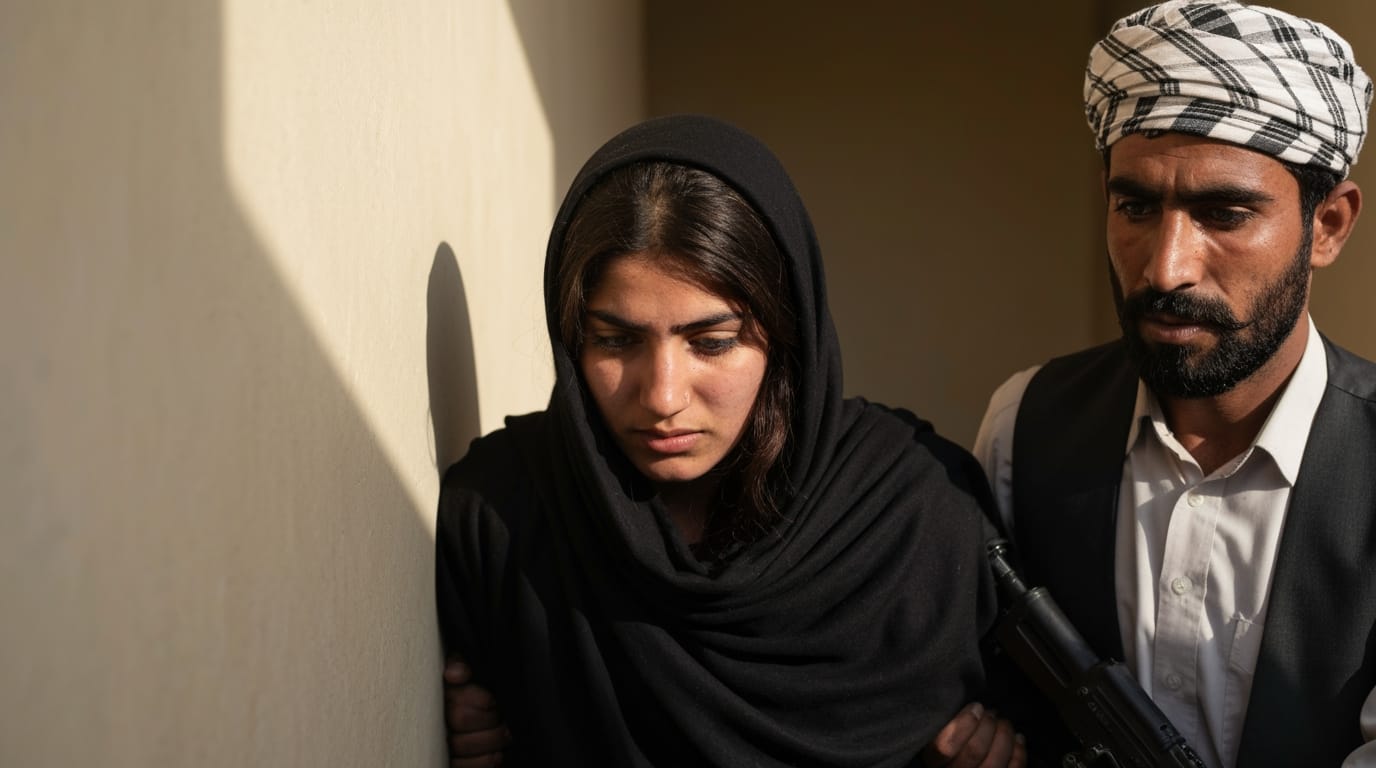
HERAT, Afghanistan – Taliban authorities in the western city of Herat recently arrested at least 30 women for alleged violations of strict Islamic dress codes, a move that swiftly ignited protests and resulted in a violent crackdown by security forces, claiming at least one life, according to the United Nations. The arrests and subsequent events have intensified fears among Afghan women and girls already living under severe restrictions imposed by the ruling administration.
The incident, which unfolded between June 7 and 8, saw the Taliban's Ministry for the Promotion of Virtue and Prevention of Vice targeting women in public spaces in Herat for failing to adhere to the mandated full hijab. While the women were reportedly released on June 8, the brief detentions and the subsequent violent response to public dissent have drawn sharp condemnation from the international community and highlighted the ongoing erosion of women's rights in Afghanistan.
Enforced Modesty and Escalating Controls
Since regaining power in August 2021, the Taliban has systematically implemented a strict interpretation of Islamic law, significantly curtailing the freedoms of women and girls across Afghanistan. These regulations mandate that women appear in public only when wearing a full hijab, which includes a headscarf, a long robe covering the entire body, and a face covering that leaves only the eyes visible. This dress code is enforced by the Ministry for the Promotion of Virtue and Prevention of Vice, an institution reminiscent of the Taliban's previous rule in the late 1990s.
The recent arrests in Herat underscore the Taliban's unwavering commitment to these restrictive policies. The United Nations Assistance Mission in Afghanistan (UNAMA) confirmed that at least 30 women were detained for alleged dress code violations, with dozens more reportedly receiving verbal warnings. Among those detained were said to be healthcare workers, further complicating access to essential services in a nation already facing a humanitarian crisis. The actions of the vice and virtue ministry, which previously dismissed reports of arrests as "rumors," affirm the Taliban's stance that the wearing of hijab is a divine command they are obliged to implement.
Violent Crackdown on Peaceful Dissent
The detentions quickly triggered public outrage, leading to a protest on June 11 in Herat involving approximately 100 to 150 people, including men, women, and children. Eyewitnesses reported that Taliban police responded with live ammunition to disperse the demonstrators, resulting in confirmed fatalities and injuries. UNAMA reported that at least one teenage boy was killed by gunfire, and several other individuals sustained injuries, some from being beaten with sticks. The mission is actively verifying reports of a second fatality.
In response to the crackdown, Herat police command spokesperson Sayed Masoud Hosseini stated that "a number of rioters" had gathered "under the pretext of protesting issues related to the observance of the hijab and opposition to the Islamic hijab," acting to "disrupt public order." Hosseini affirmed that security forces quickly brought the situation under control and reiterated that "individual and social freedoms must be implemented within the framework of Shariah law and social values," deeming any actions that disrupt public security or create tension as "unacceptable." This official narrative contrasts sharply with the UN's reports of excessive force against peaceful protestors.
Profound Impact and Widespread Fear
While the arrested women were released, the psychological and societal impact of such arbitrary detentions is profound, extending far beyond the individuals directly affected. The United Nations has emphasized that these arrests and the subsequent violence have significantly heightened fear and apprehension among women and girls throughout Afghanistan. The events in Herat serve as a stark reminder of the precarious position of women's rights in the country.
Beyond dress codes, women and girls in Afghanistan face a comprehensive array of restrictions. These include bans on education beyond primary school, exclusion from most public employment, severe limitations on movement without a male guardian, and the closure of women-run businesses. Such policies have effectively confined many women to their homes, stripping them of their agency and access to public life, education, and economic independence. The Taliban's actions continue to dismantle decades of progress in women's rights and integration into Afghan society.
International Condemnation and Calls for Compliance
The United Nations has unequivocally condemned the arrests and the violent response to the protests, urging the Taliban authorities to uphold their international human rights obligations. Farhan Haq, spokesperson for the UN Secretary-General, highlighted the use of live ammunition by Taliban forces and called on the group to "refrain from any unnecessary or disproportionate use of force against peaceful demonstrations."
UNAMA has repeatedly called on the de facto authorities to "rescind policies that restrict the rights of women and girls in Afghanistan" and stressed that "law enforcement must comply with international legal standards." The organization further asserted that "individuals have the right to express dissent peacefully without fear of violence, intimidation or reprisals." International bodies, including UN Women, have also reiterated the need for an environment where all Afghans, particularly women and girls, can safely and freely access essential services, including healthcare, education, and protection.
The recent events in Herat are not isolated incidents but rather a continuation of a systematic campaign to suppress women's rights under the Taliban's rule. The arrests, coupled with the deadly crackdown on protestors, send a chilling message to women and girls across Afghanistan. As the international community continues to monitor the situation, the urgent calls for the Taliban to reverse its restrictive policies and respect fundamental human rights grow louder, emphasizing that the path to a stable and prosperous Afghanistan must include the full and equal participation of its female population.


