Taliban Faces Mounting Internal and External Pressures Five Years After Seizing Power
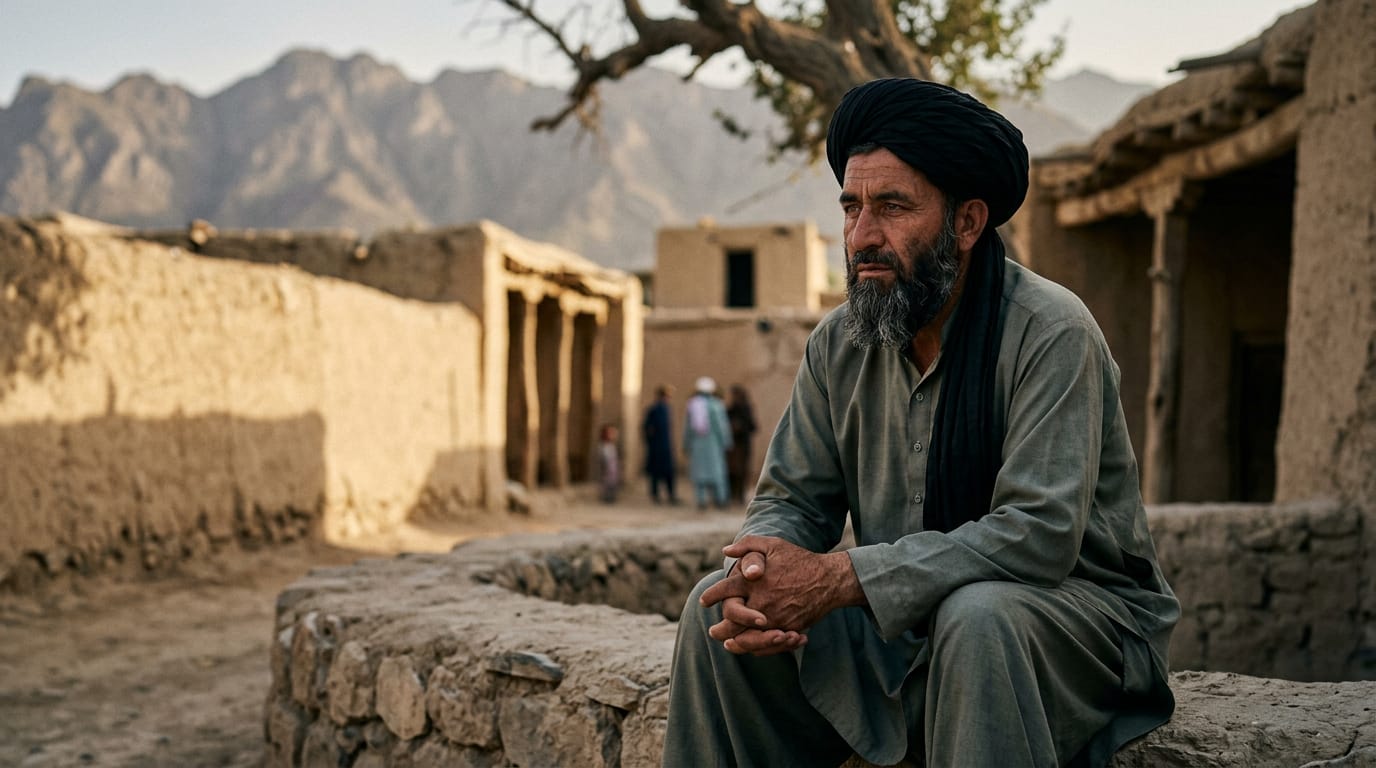
KABUL, Afghanistan – Five years after the Taliban’s swift takeover of Afghanistan in August 2021, the de facto government finds itself navigating a complex landscape of persistent internal dissent and resurgent external insurgent threats. While the Taliban maintains a near-complete grip on national security and essential state functions, localized unrest and the strategic maneuvering of opposition groups, though not yet posing an existential threat, are increasingly testing the regime's vulnerabilities and challenging its long-term stability. The anniversary marks a period where the Taliban's authority, initially solidified through force, is now being scrutinized for its capacity to govern a fractured nation facing profound humanitarian and economic crises.
The Taliban’s return to power followed a two-decade insurgency against the U.S.-backed government, culminating in the withdrawal of international forces and the collapse of the Afghan Republic. By August 2021, the group had swept into Kabul, promising a new era of peace and stability. However, the subsequent five years have revealed the inherent difficulties in transforming an insurgent force into a governing body capable of addressing the needs of a diverse population and fending off new forms of resistance. Despite controlling Afghanistan’s territory, state institutions, and main economic resources, the regime’s legitimacy, both domestically and internationally, remains contentious, fueling pockets of opposition and creating fertile ground for dissent.
The Shadow of Internal Dissidence and Governance Challenges
While major challenges to the Taliban's authority have not materialized in a sustained, nationwide campaign, internal tensions and localized uprisings underscore significant vulnerabilities. Provinces such as Badakhshan and Herat have emerged as flashpoints for unrest. In Badakhshan, demonstrations erupted in May following local resistance to a poppy eradication drive, a significant economic lifeline for many communities. Similarly, in the more cosmopolitan city of Herat, protests flared in early June after the Taliban’s morality police detained several women, provoking a rare public defiance against the regime's strict religious decrees. These demonstrations were reportedly met with force, including live ammunition, resulting in fatalities.
The Taliban's response to such instability typically involves maintaining power through force, loyalty, and repression. This was evident in Badakhshan, where the centralizing tendencies of the Taliban's chief, Hibatullah Akhundzada, led to the deployment of Pashtun troops, believed to be more loyal, and the transfer of local leaders to other areas. House-to-house raids and arrests followed, reflecting a predictable pattern of suppression. These incidents reveal a struggle within the Taliban to balance regional autonomy with central authority, often exacerbating local grievances. Critics point to the Taliban's political failures, including a lack of national legitimacy and public consent, as a primary weakness, even if it hasn't yet translated into a crisis of power within the government.
Resurgent Insurgency: ISIS-K and the National Resistance Front
Beyond internal dissent, the Taliban faces a persistent threat from organized insurgent groups. The Islamic State – Khorasan Province (ISIS-K) continues to operate, though its capacity has reportedly been weakened by sustained pressure from the Taliban. Nevertheless, the presence and potential expansion of ISIS-K remain a significant concern, pushing countries like Iran, Russia, and some Central Asian nations toward greater security cooperation with the Taliban, despite ongoing international concerns about the Taliban’s own ties to transnational terrorist organizations like Al-Qaeda.
Another notable opposition force is the National Resistance Front (NRF), and its affiliate, the Afghanistan Freedom Front (AFF). These groups represent a continuation of resistance, particularly from areas historically opposed to Taliban rule, such as the Panjshir Valley. While these armed opposition groups currently control no significant territory and lack effective foreign backing, their guerrilla attacks are largely symbolic, aimed at demonstrating that the Taliban is not invincible. Leaders like Yasin Zia of the AFF contend that while a direct military challenge to the Taliban's territorial control is not imminent, the regime's political failures – its inability to gain national legitimacy or international acceptance – represent its most significant vulnerability. For these groups to pose a serious threat, they would need to expand their territorial control, establish bases in local communities, and secure reliable external support for resources and safe havens.
Regional Stability and International Ramifications
The Taliban’s five years in power have profoundly affected regional stability, particularly concerning neighboring Pakistan. The return of the Taliban has emboldened the Tehrik-e-Taliban (TTP), often referred to as the Pakistani Taliban, leading to a significant increase in domestic terrorist acts within Pakistan. The TTP ended a ceasefire with the Pakistani government in late 2022, resulting in a surge of violence that saw 2,526 fatalities in 2024 alone. Pakistani officials have accused the Afghan Taliban of providing safe haven to these militants, a point of severe contention that escalated into a deadly conflict in October 2025 and subsequent retaliatory strikes on Afghan cities by Pakistan in February following TTP attacks on Pakistani border troops.
The international community's engagement with the Taliban remains a delicate balancing act. While the Taliban seeks international recognition and legitimacy, a key "ask" from the global community is an inclusive government and assurances that Afghan soil will not be used to launch attacks against other countries. The "shun-and-shrug" approach adopted by many Western countries has yielded limited results, suggesting that a recalibration of international strategy might be necessary. Meanwhile, the humanitarian situation in Afghanistan remains dire, with a floundering economy, soaring malnutrition, and over half a million jobs lost, exacerbated by the Taliban's policies, including severe restrictions on women's rights and education.
Conclusion: A Precarious Future
Five years into their rule, the Taliban face a complex and evolving security landscape. While their control remains robust in many areas, localized resistance and the activities of insurgent groups like ISIS-K and the NRF highlight persistent vulnerabilities. The regime’s heavy-handed tactics in response to dissent, coupled with its failure to achieve widespread legitimacy and address dire economic conditions, continue to fuel discontent. Regionally, the emboldened TTP has strained relations with Pakistan, underscoring the broader security implications of the Taliban’s ascendancy. As Afghanistan moves forward, the interplay between internal pressures, the resilience of opposition forces, and the nuanced approaches of the international community will determine the long-term stability of the Taliban's rule and the future trajectory of the war-torn nation. The Taliban’s capacity to consolidate power and govern effectively will hinge not only on suppressing armed resistance but also on its ability to forge a more inclusive path for Afghanistan.


