Taliban Installs Diplomat in Berlin Without German Consent, Sparking Diplomatic Furore
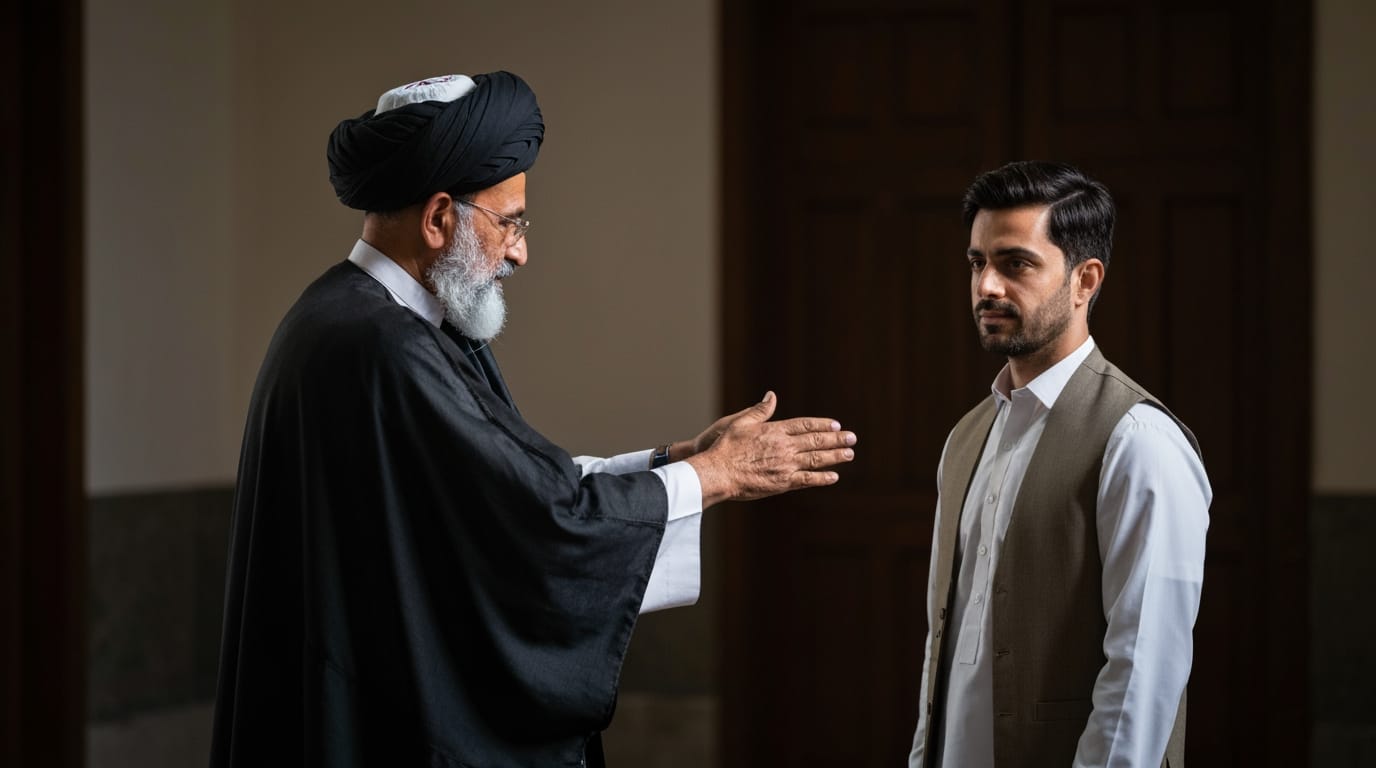
BERLIN – A significant diplomatic incident has emerged in Berlin, as reports indicate the Taliban have appointed a new diplomat to lead Afghanistan’s embassy without prior notification or approval from the German government. This unilateral move, first brought to light by German media, raises serious questions about diplomatic protocol, the legal standing of Afghanistan’s foreign missions, and the delicate, often contradictory, nature of international engagement with the unrecognised Taliban regime. The German Foreign Ministry has stated it was unaware of the appointment, underscoring a blatant disregard for established diplomatic norms and the 1961 Vienna Convention on Diplomatic Relations, which mandates host country consent for the head of a diplomatic mission.
The individual in question, whose identity has not been widely disclosed, has reportedly presented himself in official correspondence as the chargé d'affaires, effectively assuming leadership of the Afghan embassy in the German capital. This development follows a period of complex and unofficial interactions between Germany and the Taliban since the group's return to power in Afghanistan in August 2021. While Germany, like most of the international community, does not formally recognize the Taliban as Afghanistan's legitimate government, it has maintained limited "technical" engagement. This latest action by the Taliban, circumventing established diplomatic channels, threatens to further complicate an already precarious relationship and highlights the group's persistent efforts to assert its authority on the global stage despite lacking widespread international legitimacy.
The Breach of Diplomatic Protocol
The reported appointment of a new head of mission without the host country's explicit consent constitutes a clear violation of international diplomatic norms. Under the Vienna Convention on Diplomatic Relations, the receiving state must give its "agrément" – or consent – for the appointment of a head of mission. Germany's Foreign Ministry confirmed it was not informed of this appointment, suggesting a deliberate bypass of this fundamental requirement. This action could be interpreted as an aggressive attempt by the Taliban to assert control over Afghanistan's diplomatic assets abroad, even in countries that refuse to acknowledge their legitimacy. The previous Afghan embassy staff in Berlin, like many other Afghan missions globally, had largely continued to operate under the mandate of the former Islamic Republic of Afghanistan, with many diplomats refusing to acknowledge Taliban authority. The influx of Taliban-appointed personnel has reportedly led to internal tensions within these missions, with some existing staff choosing to resign in protest. This creates a dual challenge for host nations like Germany: managing a diplomatic mission whose leadership is now in contention and navigating the broader implications for their policy of non-recognition.
Germany's Delicate Balancing Act
Germany finds itself in a particularly precarious position. Since the Taliban takeover, the German government has consistently reiterated its policy of not formally recognizing the de facto Taliban administration. Its embassy in Kabul remains closed, underscoring this stance. However, practical necessities have compelled Berlin to maintain a degree of engagement with the Taliban. These engagements primarily focus on humanitarian assistance to alleviate the dire situation in Afghanistan, promoting human rights (especially for women and children), and addressing consular matters, including the repatriation of Afghan nationals.
In a notable shift, Germany had previously granted entry to two Taliban-appointed diplomats to work at the Afghan embassy in Berlin and the consulate in Bonn. These individuals, Sayed Mustafa Hashimi and Nibras-ul-Haq, were accepted explicitly for the purpose of providing essential consular services to Afghan citizens residing in Germany and, crucially, to facilitate the deportation of Afghan nationals, particularly those with criminal records. German officials were careful to clarify at the time that this arrangement did not signify formal recognition of the Taliban regime. This latest incident, however, where a diplomat is installed as the head of mission without consultation, fundamentally differs from the previous arrangement for consular functionaries and directly challenges Germany's policy distinctions. It forces Germany to confront whether its "technical engagement" is inadvertently paving the way for the Taliban's gradual assertion of diplomatic control.
The Taliban's Global Campaign for Legitimacy
The Taliban's move in Berlin is not an isolated incident but rather part of a broader, sustained campaign to gain international recognition and assert control over Afghanistan's diplomatic presence worldwide. Since seizing power, the group has actively sought to replace diplomats loyal to the former Afghan government with its own appointees in various embassies and consulates. Their objective is clear: to normalise their rule and gradually dismantle the international community's united front of non-recognition.
Despite these efforts, widespread formal recognition has remained elusive. As of July 2025, Russia stood as the sole United Nations member state to formally recognise the Taliban as Afghanistan's legitimate government. Other countries, including China, the United Arab Emirates, Uzbekistan, Turkey, and Pakistan, have upgraded their diplomatic relations to ambassadorial level, allowing Taliban-appointed representatives to operate, but have stopped short of full formal recognition. The international community has largely conditioned recognition on the Taliban's adherence to human rights, particularly those of women and girls, the formation of an inclusive government, and commitments to counter-terrorism. These conditions, however, have largely gone unfulfilled, leading to continued diplomatic isolation for the regime.
Broader Implications and Uncertain Future
The incident in Berlin underscores the profound challenges facing countries attempting to navigate relations with the Taliban. For Germany, the unauthorised appointment creates a significant diplomatic headache. It puts pressure on Berlin to respond decisively without jeopardising its existing channels for humanitarian aid or its ability to manage migration and security concerns. The Afghan diaspora in Germany has already voiced concerns that any acceptance of Taliban-approved missions could lead to the extremist group gaining access to their personal data, potentially exposing their families in Afghanistan to repercussions.
The ongoing lack of a universally recognised Afghan government means that Afghanistan's international relations remain complex and fragmented. The Taliban's persistent attempts to bypass traditional diplomatic channels, as seen in Berlin, reflect their frustration with this lack of recognition and their determination to force the issue. This creates a challenging environment where host countries must continuously re-evaluate their policies to balance practical engagement with principled non-recognition. The international community's response to this latest diplomatic manoeuvre in Berlin will be closely watched, as it could set a precedent for future interactions with the Taliban and further shape the future of Afghanistan's standing in the world. The incident serves as a stark reminder of the diplomatic tightrope walk required when dealing with de facto authorities who operate outside established international norms.


