Tanzania's Democracy in Question After Opposition Party Banned From Elections
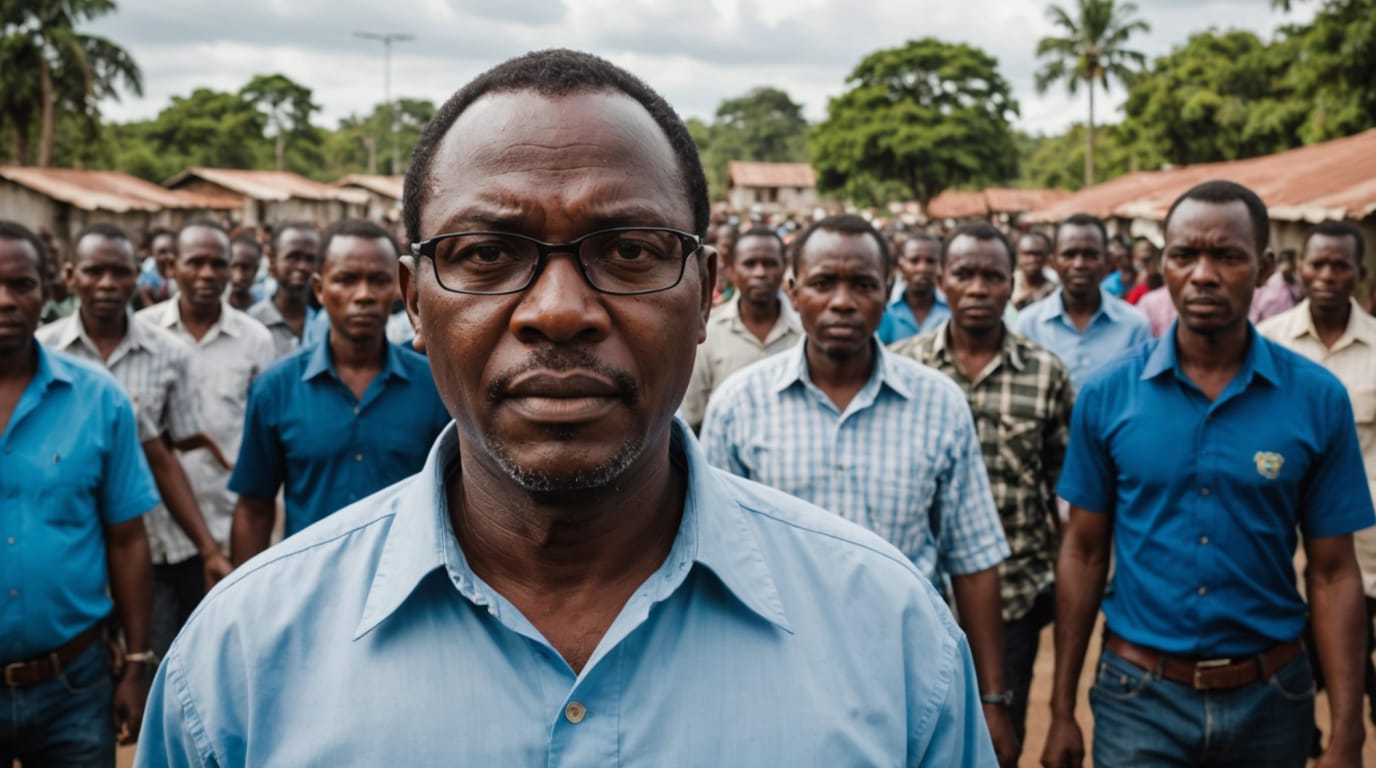
Tanzania's political landscape is facing increased scrutiny as the main opposition party, Chadema, has been barred from participating in the upcoming general elections scheduled for October. This decision, coupled with the recent arrest and treason charges against Chadema leader Tundu Lissu, has ignited concerns about the state of democracy in the East African nation. The move has drawn condemnation from human rights organizations and opposition groups, who accuse the government of stifling dissent and undermining the electoral process.
Disqualification and Treason Charges
The Independent National Elections Commission (INEC) announced on Saturday, April 12, 2025, that Chadema would be excluded from the presidential and parliamentary elections. The reason cited was the party's failure to sign a mandatory code of conduct agreement by the stipulated deadline. Ramadhani Kailima, the commission's director of elections, stated that this disqualification would extend to all by-elections until 2030.
Adding to the turmoil, Chadema leader Tundu Lissu was arrested and charged with treason days before the announcement. Prosecutors allege that Lissu incited rebellion and attempted to obstruct the elections by urging the public to take action against the vote. The treason charge carries a potential death sentence. Lissu's legal team maintains that the charges are politically motivated. His trial has been adjourned until April 24, 2025.
Chadema's Stance and Call for Reforms
Chadema had previously warned that it would boycott the polls unless significant electoral reforms were implemented. The party confirmed its decision not to attend the signing ceremony for the electoral code of conduct, viewing it as part of a broader campaign to push for changes in how elections are conducted. Lissu, a former presidential candidate and long-time critic of the ruling Chama cha Mapinduzi (CCM) party, has been a vocal advocate for these reforms.
Lissu has argued that Tanzania's electoral system is inherently biased, particularly due to the president's unilateral appointment of electoral commissioners. Under the slogan "No Reforms, No Election," he has called for changes to ensure fair and transparent elections.
Ruling Party Dominance and Allegations of Repression
The CCM party has been in power in Tanzania since 1977. President Samia Suluhu Hassan, who is seeking a second term, leads the party. While Hassan initially gained praise for reversing some of the authoritarian policies of her predecessor, President John Magufuli, she now faces accusations of returning to repressive tactics.
Campaigners and opposition parties have accused Hassan's government of intensifying a crackdown on political opponents. These accusations include allegations of arbitrary arrests, enforced disappearances, and even killings. Last year, a senior member of Chadema was abducted and found dead. While President Hassan condemned the killing and ordered an investigation, critics claim that her administration is employing heavy-handed tactics to silence dissent. The government denies allegations of systematic repression, asserting that investigations are underway into reported incidents.
Concerns Over Democratic Freedoms
The disqualification of Chadema and the treason case against Lissu have raised serious concerns about the state of democracy in Tanzania. Human rights organizations and opposition groups have accused the government of clamping down on dissent, citing a pattern of unexplained abductions and killings of political activists.
With Chadema out of the race, the CCM party, led by President Samia Suluhu Hassan, is widely expected to retain power. Political analysts predict that the move will further fragment the opposition and make it even more difficult for challengers to mount a serious challenge to the ruling party in the October election.
Observers have raised concerns about the fairness of the election process, particularly with the main opposition party sidelined. There are growing calls from Tanzanians and the international community for greater transparency and a fairer political environment, ensuring that the elections reflect the will of the people rather than the dominance of the ruling party.
International Response and Implications
The international community is closely watching the situation in Tanzania. The United Nations and various human rights organizations have expressed concern over the shrinking space for political opposition and the erosion of democratic freedoms in the country.
The United States and the European Union have also issued statements calling for the Tanzanian government to ensure free, fair, and transparent elections. They have urged the government to respect the rights of all political parties and to create an environment where all voices can be heard.
The events in Tanzania could have broader implications for the region. As a key player in East Africa, Tanzania's democratic trajectory is being closely observed by its neighbors. A decline in democratic governance in Tanzania could embolden authoritarian tendencies in other countries in the region.
Future Outlook
The coming months will be critical for Tanzania. The outcome of Lissu's treason trial and the conduct of the October elections will be key indicators of the country's commitment to democracy.
If the government fails to address concerns about the fairness of the electoral process and continues to suppress dissent, it risks further isolating itself from the international community and undermining its own long-term stability.
The future of democracy in Tanzania hangs in the balance. Whether the country can reverse its current course and return to a path of greater political openness and respect for human rights remains to be seen. The world is watching.


