Tehran's Internal Battlegrounds: The Factions Shaping Dialogue with Washington Amidst Conflict
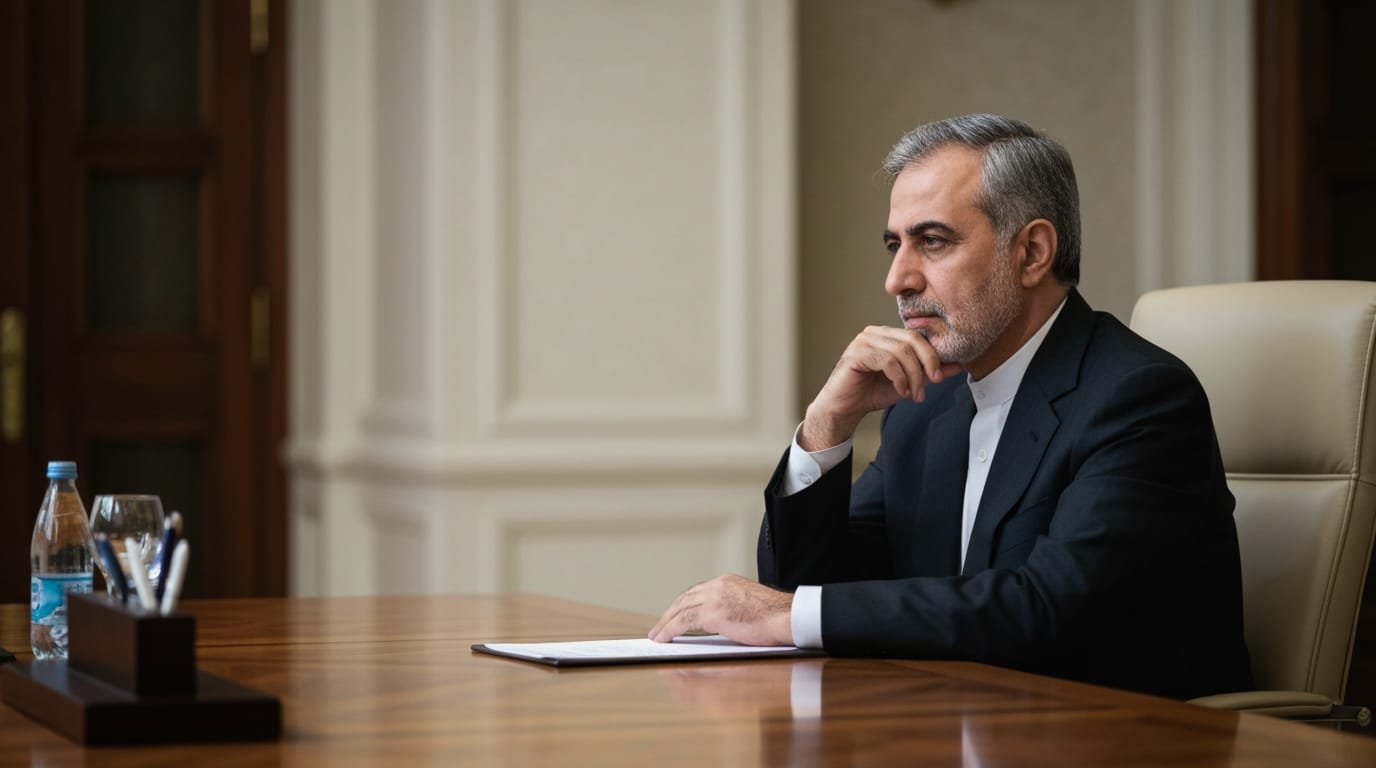
The delicate dance of diplomacy between Tehran and Washington, often unfolding against a backdrop of escalating tensions, is intricately choreographed by a complex web of influential figures and deeply entrenched political factions within Iran. As the two nations navigate a period marked by recent conflict and ongoing negotiations, understanding who holds sway in Tehran is crucial to discerning the trajectory of any potential peace. From the ultimate authority of the Supreme Leader to the assertive posture of the Islamic Revolutionary Guard Corps (IRGC) and the strategic maneuvers of the Foreign Ministry, internal dynamics profoundly shape Iran's approach to the United States.
At the pinnacle of Iran's political structure stands the Supreme Leader, a figure whose pronouncements carry ultimate authority on all matters of state, including foreign policy and sensitive negotiations with the United States. Following the significant events of February 2026, Ayatollah Mojtaba Khamenei assumed this critical role, inheriting a nation in conflict and a diplomatic tightrope to walk. While his public presence has been limited, his directives are paramount, often balancing the competing demands of various internal factions. Historically, Supreme Leaders have sometimes signaled openness to talks while simultaneously tempering expectations to appease hardline elements within the country's theocracy, including the paramilitary Revolutionary Guard. This delicate balancing act underscores the pervasive influence of hardliners on even the highest echelons of power.
The Diplomatic Front: Pragmatists and Hardliners at the Negotiating Table
The immediate face of Iranian diplomacy with the United States has often been the Foreign Ministry, currently led by Abbas Araghchi. Described as a pragmatic diplomat, Araghchi has consistently advocated for engagement and technical negotiations over outright confrontation. His involvement in the 2015 Joint Comprehensive Plan of Action (JCPOA) talks and his active participation in recent rounds of discussions held in locations such as Oman, Rome, and Islamabad highlight his central role in attempting to find diplomatic pathways. Araghchi’s approach emphasizes sanctions relief in exchange for limits on Iran's nuclear program, a stance often politically divisive within Iran. His recent diplomatic tours, including meetings with Russian President Vladimir Putin, underscore a concerted effort to manage international relations amidst the ongoing conflict.
However, the influence of more pragmatic figures like Araghchi often contends with the rising tide of hardline elements, particularly within the IRGC. The recent appointment of Saeed Jalili, a known hardliner who has previously rejected nuclear concessions, as the lead negotiator, signifies a notable shift in Tehran's negotiating posture. This change is widely perceived as a barrier to any near-term agreement and reflects the strengthened position of those who prioritize revolutionary firmness over diplomatic nuance. Mohammad Bagher Ghalibaf, the parliamentary speaker who previously led some negotiations, has been described as more pragmatic but has faced considerable criticism from ultra-hardline factions. Such internal rivalries and power struggles demonstrate the continuous tension between factions seeking engagement and those demanding a more confrontational approach.
The Unyielding Hand of the Revolutionary Guard
The Islamic Revolutionary Guard Corps (IRGC) emerges as a preeminent force shaping Iran's stance toward the US. This powerful military and political institution exerts significant influence, especially on security, war, and diplomatic strategies. IRGC commanders have explicitly stated that the country's military capabilities and national defense are "red lines" that are not subject to discussion or negotiation under any circumstances. This position directly impacts the scope and potential outcomes of any talks with Washington, particularly regarding Iran's missile program and regional military presence.
During the recent conflict, the IRGC's grip on decision-making in Tehran has reportedly been reinforced, with battle-hardened commanders increasingly acting as key decision-makers on crucial matters of war and diplomacy. Brigadier General Ahmad Vahidi, an IRGC Commander, has been identified as a particularly influential figure, reportedly blocking appointments by President Masoud Pezeshkian, whose own presidential influence appears to be overshadowed by hardline elements during wartime. The IRGC's assertive posture is further evidenced by its control over strategic waterways like the Strait of Hormuz, where it has sought to impose tolls and has threatened to disrupt oil and gas supplies if its "red lines" are crossed. This demonstrates a willingness to use military and economic leverage to dictate terms, complicating efforts to de-escalate tensions and reach comprehensive agreements.
Points of Contention: Nuclear Ambitions and Strategic Waterways
Two primary issues consistently dominate the agenda of US-Iran talks: Iran's nuclear program and the control and navigation of the Strait of Hormuz. Iran steadfastly maintains that its nuclear program is for peaceful purposes, resisting calls to abandon uranium enrichment. The US, conversely, has pressed for significant limitations on Iran's enrichment activities, often demanding the removal of enriched uranium stockpiles. This fundamental disagreement remains a significant hurdle, with past efforts like the JCPOA aiming to address these concerns. However, the withdrawal of the US from that deal and subsequent re-imposition of sanctions have fueled Iranian distrust and complicated any renewed attempts at a comprehensive nuclear agreement.
The Strait of Hormuz, a vital chokepoint for global oil and gas shipments, has also become a focal point of contention. Iran has actively asserted its control over the strait, implementing restrictions on movement and even proposing to collect tolls from passing vessels. The US has responded with its own naval blockade of Iranian ports, exacerbating tensions in the critical waterway. Iran views its ability to control the strait as a significant leverage point, believing it can better withstand prolonged economic pressure than the US can endure disruptions to global energy markets. Any proposed deal between the two nations often involves intricate discussions about reopening the strait and establishing new legal frameworks for maritime traffic, frequently with Iran demanding an end to the US blockade as a precondition for further talks.
The Role of Mediators and the Shadow of Internal Disunity
The intricate nature of US-Iran relations, marked by a lack of formal diplomatic ties since 1980, necessitates the involvement of intermediaries. Pakistan and Oman have consistently served as key mediators, facilitating indirect talks and relaying messages between the two adversaries. These mediating nations often face the challenge of bridging significant gaps in expectations and overcoming deep-seated mistrust.
The ongoing conflict has also laid bare pronounced internal divisions within the Iranian leadership. Reports indicate significant infighting between factions, with some pragmatists being criticized for appearing "soft" on the US. This internal struggle has sometimes directly impacted the progress of negotiations, with US officials citing these divisions as reasons for stalled talks. The struggle between those seeking a diplomatic resolution and hardliners who prioritize resistance and self-reliance creates an unpredictable environment for any sustained engagement with Washington. The appointment of hardliners to key negotiating positions and the IRGC's strong influence suggest that any future talks will be shaped by a cautious and firm Iranian stance, reflecting the ascendance of more confrontational elements within Tehran's power structure.
Conclusion: Navigating a Fractured Landscape
The landscape of power in Tehran, particularly concerning its engagement with the United States, is undeniably fragmented and fluid. While the Supreme Leader holds ultimate authority, the day-to-day and strategic shaping of talks are influenced by a dynamic interplay between pragmatic diplomats like Foreign Minister Araghchi and the powerful, hardline elements within the Islamic Revolutionary Guard Corps. The recent shift towards figures like Saeed Jalili in lead negotiating roles and the IRGC's reinforced position signal a challenging path forward for diplomacy.
With critical issues like the nuclear program and the Strait of Hormuz at the forefront, and internal rivalries continuously influencing policy, any breakthrough in US-Iran relations will require navigating a complex web of interests and ideologies. The effectiveness of mediators and the ability of various Iranian factions to reconcile their differing approaches will ultimately determine whether a sustainable peace can emerge from the current state of conflict and diplomatic impasse.


