Telegram CEO Vows Continued Fight as Russia Intensifies Crackdown on Messaging App
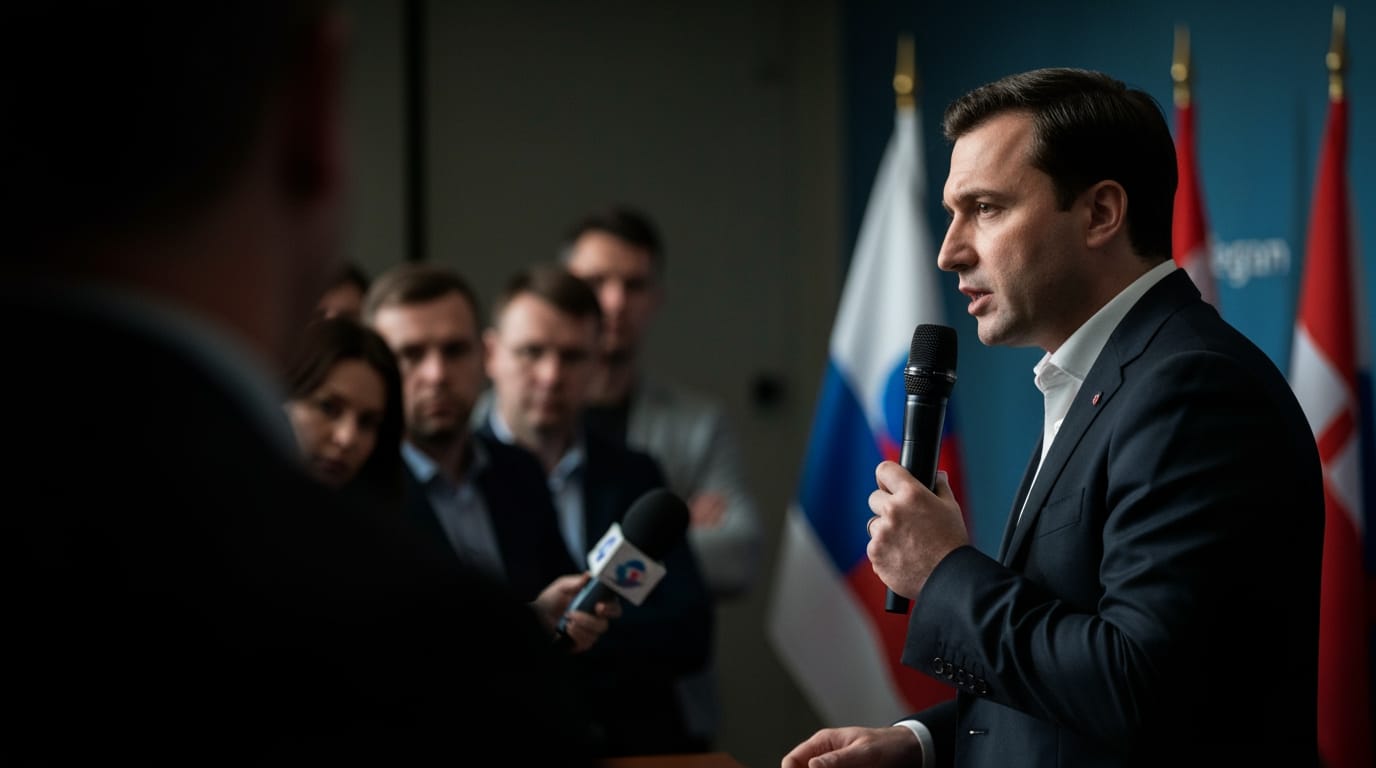
In an escalating confrontation over digital sovereignty, Pavel Durov, the enigmatic founder and CEO of the widely popular messaging application Telegram, has reaffirmed his unwavering commitment to user privacy and freedom of speech, even as Russian authorities intensify efforts to restrict access to the platform. This renewed standoff marks another chapter in a years-long battle, with Russia accusing Telegram of failing to comply with national laws and combat illicit activities, while Durov asserts the actions are a calculated move to push citizens onto state-controlled surveillance tools. The implications extend far beyond a single app, touching upon fundamental questions of internet freedom, data security, and the boundaries of state control in the digital age.
The Protracted Standoff: Russia's Persistent Pursuit of Control
The current friction represents the latest iteration of a long-running dispute between Telegram and the Russian government. The initial, most prominent clash began in 2017 when Russia's Federal Security Service (FSB) demanded access to Telegram's encryption keys, citing counter-terrorism laws, specifically the Yarovaya law which mandated telecommunications operators store user traffic and provide decryption capabilities. Pavel Durov staunchly refused, arguing that such a demand was technically impossible, as secret chat keys are stored on users' devices, and a violation of the constitutional rights of Russian citizens to privacy of correspondence.
This refusal led to a Moscow court ruling in April 2018 to block access to Telegram across Russia. Roskomnadzor, Russia's communications regulator, subsequently embarked on an extensive, yet largely ineffective, campaign to implement the ban. In its aggressive attempts, the agency reportedly blocked millions of internet protocol (IP) addresses, impacting not only Telegram but also numerous unrelated web services, including those from Google and Amazon, as well as banking and online booking sites. Despite these broad-stroke measures, users largely circumvented the ban through virtual private networks (VPNs) and Telegram's own built-in anti-censorship tools, leading to widespread criticism of Roskomnadzor's technical competency. Furthermore, Apple and Google reportedly declined Russian requests to remove the Telegram app from their respective stores.
Recognizing the practical futility of the block, and amidst reports of the Russian government itself using the "banned" platform for official communications, Roskomnadzor officially lifted the ban in June 2020. The official rationale cited the "technical impossibility" of effective blocking and Telegram's stated willingness to "help with extremism investigations". This period of relative détente, however, appears to have concluded.
Durov's Unwavering Stance: Privacy as a Core Principle
At the heart of the ongoing conflict is Pavel Durov's consistent articulation of principles centered on digital privacy and freedom of expression. He has unequivocally stated that Telegram remains committed to these ideals "no matter the pressure". Durov's philosophy is rooted in the belief that "restricting citizens' freedom is never the right answer," and that "privacy is not for sale, and human rights should not be compromised out of fear or greed".
Durov has repeatedly framed Russia's actions as an attempt to "force its citizens to switch to a state-controlled app built for surveillance and political censorship". He has specifically pointed to "MAX messenger" as the state-backed alternative Russia is allegedly promoting. To underscore his point, Durov frequently draws parallels to Iran's unsuccessful attempt to ban Telegram eight years prior, noting that despite the ban and a push for a state-run alternative, most Iranians continued to use Telegram by bypassing censorship.
Durov's personal history further cements his image as a defender of digital freedom. He was forced to leave Russia in 2014 after refusing to hand over user data from VKontakte, the social media platform he founded, to Russian security services. He subsequently launched Telegram from exile, dedicating it to secure and private communication. This foundational commitment to resisting government overreach has become a hallmark of the Telegram brand globally.
The Escalating Technical and Legal Battleground
The latest phase of pressure from Russian authorities, particularly evident in late 2025 and early 2026, has seen a shift in tactics from outright blocking to more insidious methods. Roskomnadzor confirmed it has begun "throttling" Telegram, citing a persistent failure to comply with local laws and an alleged lack of protection for user data. This has resulted in widespread reports from users across Russia experiencing slow traffic, significant delays in loading media files, and frequent connection timeouts.
The current strategy involves deploying "technical means of countering threats" (TSPUs), specialized hardware boxes installed on the networks of major Russian internet providers. These devices allow the state to target and degrade specific types of traffic, aiming to frustrate users into migrating to state-monitored alternatives rather than outright blocking the service. Roskomnadzor claims that Telegram has failed to address concerns regarding fraud and its use for "criminal and terrorist purposes," and has already imposed fines for Telegram's alleged refusal to remove prohibited content and non-compliance with social media platform requirements.
Telegram's architecture presents inherent technical challenges to government demands for universal decryption. The platform distributes data across multiple jurisdictions, with encryption keys split across different locations. While not all Telegram chats are end-to-end encrypted by default – users must manually enable "Secret Chats" for this feature – the system is designed to prevent any single entity, including Telegram itself, from accessing user data or sensitive infrastructure without explicit user action. Telegram maintains that all its servers belong to the company and are maintained by its employees, making unauthorized access impossible.
Global Implications and User Engagement
The ongoing struggle between Telegram and Russia carries significant implications for the broader landscape of internet freedom and user rights worldwide. For many, particularly in countries with authoritarian governments, platforms like Telegram represent crucial avenues for free expression and secure communication, often serving as lifelines for dissidents, journalists, and activists.
Despite the government's efforts, Telegram remains exceptionally popular in Russia, used by millions of citizens and serving as a vital communication channel for a diverse range of users, including government bodies, news outlets, military bloggers, and even the Kremlin itself. This widespread adoption highlights the challenge governments face in controlling information flow in the digital age and the resilience of users in seeking out platforms that offer perceived privacy. The frustration among users, including military bloggers critical of the throttling, underscores the indispensable role Telegram plays in daily life and information dissemination within Russia.
However, the narrative around Telegram's unassailable privacy has also faced scrutiny. An investigation by the exiled media outlet IStories raised questions about Telegram's security, claiming that its infrastructure is maintained by a company with alleged ties to Russian intelligence services and highlighting that non-default "cloud chats" are decrypted and stored on servers, potentially allowing access to correspondence if servers are compromised. Telegram has firmly refuted these claims, stating it has no employees or servers in Russia and has never disclosed private messages to third parties.
Lingering Questions and the Future of Digital Resistance
The cat-and-mouse game between Telegram and Russian authorities is far from over. Pavel Durov's recent statements extend beyond Russia, warning of a global trend where governments are increasingly turning the free exchange of information into a "tool of control," citing examples like digital IDs and mass surveillance in other nations. He cautions that "our generation risks going down in history as the last one that had freedoms," lamenting a societal drift away from principles of privacy and free speech.
This ongoing battle underscores a fundamental tension between state demands for control and the individual's right to privacy and free expression in the digital realm. The effectiveness of Russia's new throttling measures, the long-term resilience of Telegram's user base, and the potential for a more sophisticated global regulatory environment for messaging apps all remain open questions. Ultimately, the fight for Telegram in Russia serves as a high-stakes test case for the future of digital resistance against encroaching state surveillance and censorship worldwide.


