Telegram Challenges India's Temporary Ban Amid Exam Fraud Crackdown
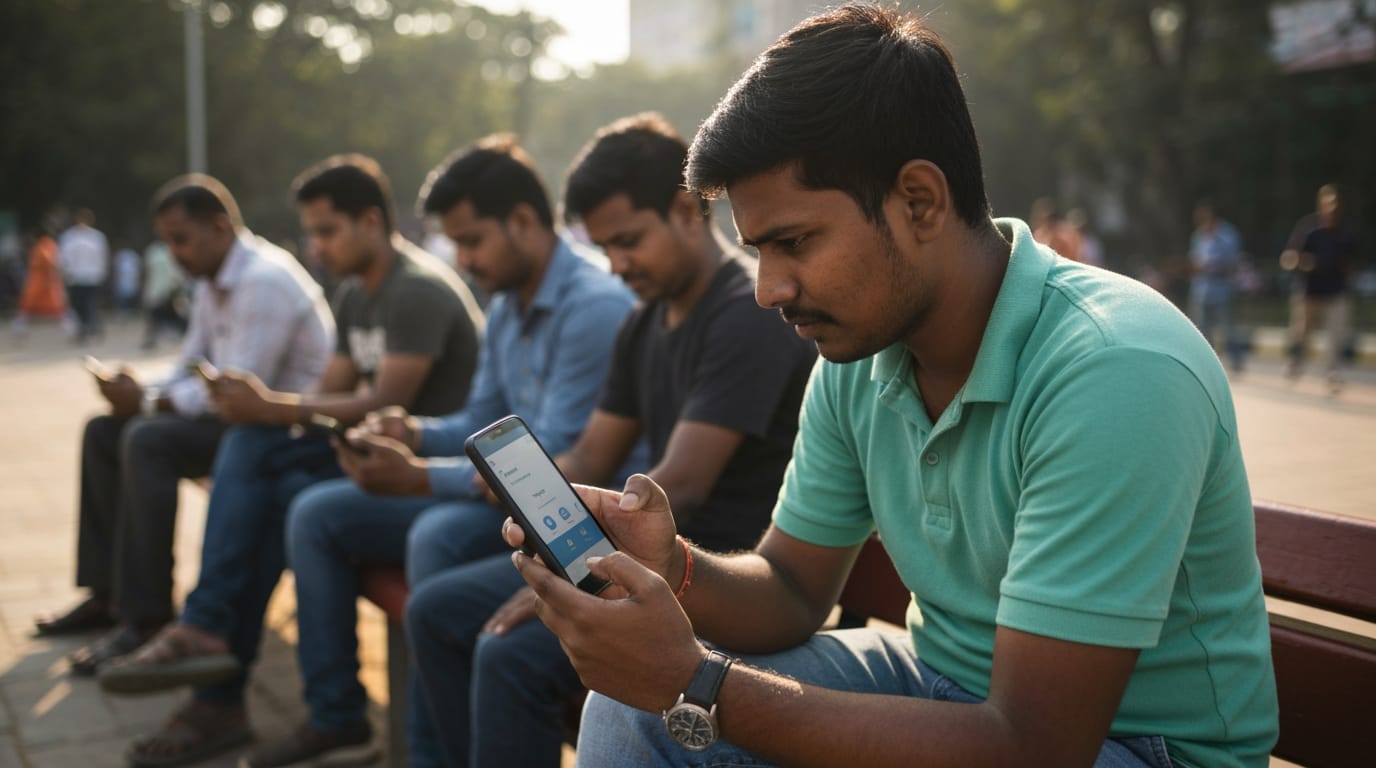
NEW DELHI, India – Messaging platform Telegram has launched a legal challenge against an Indian government order that temporarily blocks access to its services across the country. The move comes as India's Ministry of Electronics and Information Technology (MeitY) implemented the ban to curb alleged exam fraud and misinformation surrounding the crucial NEET-UG 2026 re-examination. The dispute pits the government's efforts to ensure examination integrity against concerns over digital freedoms and the impact on millions of users.
The temporary nationwide block on Telegram came into effect on Tuesday, June 16, 2026, and is slated to continue until June 22, 2026. Simultaneously, the government has ordered Telegram to disable its message-editing feature in India until June 30. These actions, initiated following recommendations from the National Testing Agency (NTA) and the Department of Higher Education, aim to prevent cheating rackets from exploiting the platform ahead of the highly anticipated medical entrance re-examination.
Government Cites Exam Integrity and Fraud Prevention
The genesis of the government's intervention lies in the cancellation of the original National Eligibility cum Entrance Test (NEET) in May, after authorities uncovered allegations of question paper leaks. The NTA subsequently reported that organized cheating syndicates were leveraging Telegram channels to defraud aspiring medical students. These channels, operating under names such as "PAPER LEAKED NEET" and "Re-NEET 2026," allegedly promised access to leaked exam papers or sold fraudulent ones, demanding significant sums from desperate candidates.
A central point of concern for authorities was Telegram's message-editing feature. The government contends that this tool was being exploited to create misleading "paper leak" evidence. Scammers would allegedly post innocuous messages before an exam and then retrospectively edit them to include actual exam papers after the test had concluded, maintaining the original, older timestamp. This tactic made it appear as though the papers had been leaked prior to the examination, fueling anxiety and distrust among students. The Ministry of Electronics and Information Technology (MeitY) invoked Section 69A of the Information Technology Act, 2000, as the legal basis for the ban. This provision empowers the government to block public access to online platforms in situations concerning the "sovereignty and integrity of India," "defence and security of the state," "public order," or the "prevention of cognizable offenses." The NTA has described the comprehensive block as a "measure of last resort," asserting that earlier attempts to remove specific fraudulent channels had proven ineffective.
Telegram's Challenge and Calls for Proportionality
In response to the blanket ban, Telegram has filed a petition in the Delhi High Court, arguing that the government's order is disproportionate and unlawfully impacts its vast user base in India. The messaging app, which counts India as its largest market by downloads with an estimated 150 million users, contends that a nationwide shutdown punishes the majority for the actions of a few.
Pavel Durov, the founder of Telegram, publicly criticized the decision, labeling it a "rash decision." He asserted that such a measure primarily penalizes "ordinary Telegram users in India" rather than targeting the actual perpetrators of the leaks. Durov also claimed that the ban had not effectively halted the circulation of leaked content, suggesting it had merely "moved to other apps." Telegram's legal challenge highlights that the company had already cooperated with Indian authorities by removing hundreds of channels implicated in disseminating fraudulent NEET-related content. The company maintains that targeted content removals would have constituted a less restrictive and equally effective alternative to blocking the entire platform. The Delhi High Court, with Justice Tejas Karia scheduled to preside, has agreed to hear Telegram's petition on an urgent basis.
Broader Implications for Digital Rights and Online Governance
This legal confrontation underscores a recurring tension between government oversight and digital freedoms in India. The application of Section 69A of the IT Act, previously utilized for significant actions like the banning of numerous Chinese applications in 2020, signals a robust approach by the Indian government to regulate online content.
However, the temporary ban has drawn criticism from digital rights advocates, including the Internet Freedom Foundation (IFF). These groups argue that blocking an entire platform is a disproportionate response that infringes on free speech and punishes innocent users without addressing the root causes of the problem. They contend that such broad measures set a concerning precedent for internet censorship. The situation also brings into focus Telegram's evolving stance on data sharing with law enforcement. Historically known for its strong privacy posture and resistance to government data requests, the company has recently adjusted its policy to allow the disclosure of IP addresses and phone numbers of criminal suspects under valid legal orders, a shift that followed founder Pavel Durov's arrest in France in 2024.
As the Delhi High Court prepares to deliberate on Telegram's petition, the outcome of this case could have significant implications for how digital platforms operate and how online content is regulated in India, one of the world's largest internet markets. The government's need to safeguard critical national examinations is clear, yet the debate continues over whether a complete platform ban is a justifiable and effective means to achieve that objective, particularly given the broad impact on millions of users.


