Thailand Faces International Scrutiny After Uyghur Deportations to China
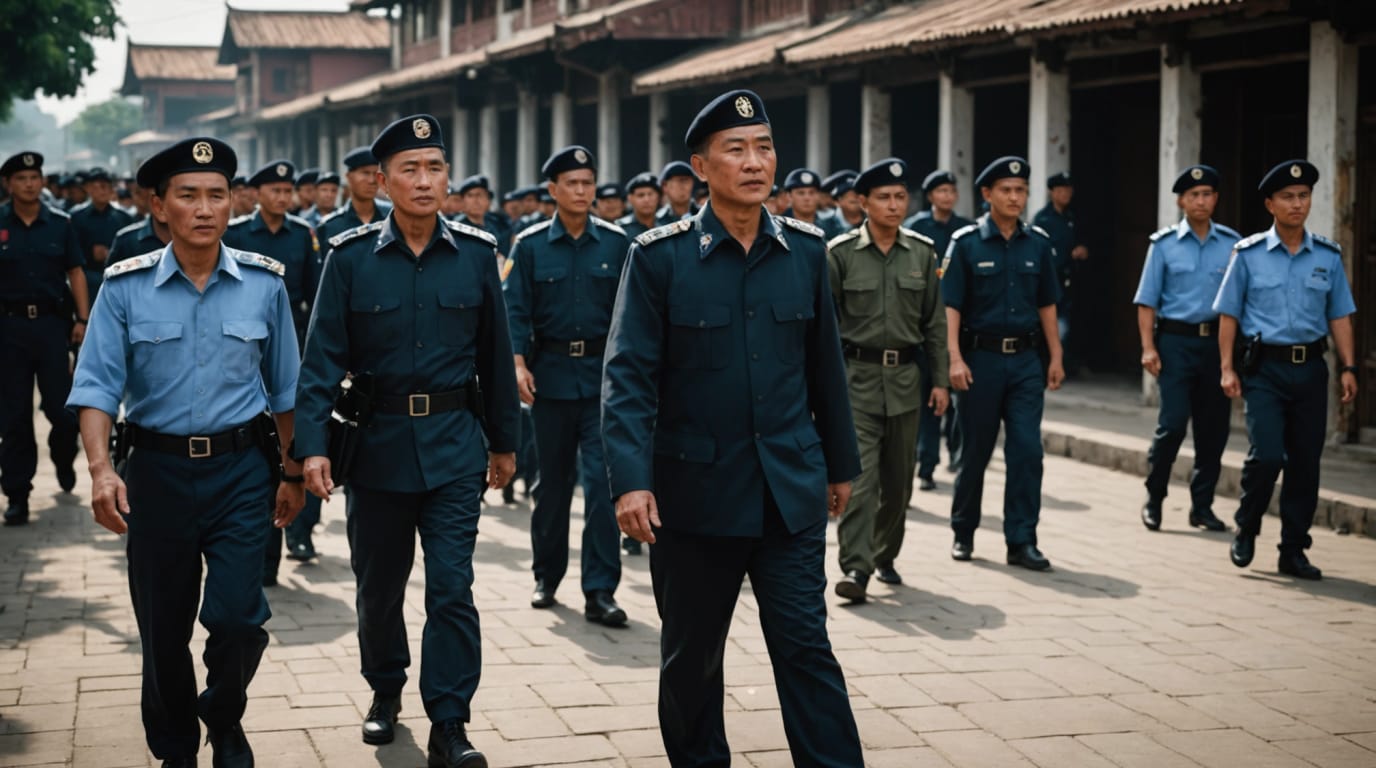
Thailand is grappling with mounting international condemnation following its deportation of approximately 40 Uyghur men to China in late February. The action has triggered a diplomatic fallout, with the United States imposing sanctions on Thai officials and the European Union issuing strong condemnations. The deportations have placed Thailand in a precarious position, balancing its relationship with China against pressure from Western nations concerned about human rights.
The deported Uyghurs were part of a larger group detained in Thailand in 2014 while attempting to reach Turkey, seeking asylum from what they described as persecution in China's Xinjiang region. For years, these individuals were held in detention centers, their fate caught between Beijing's demands for their return and international calls for their resettlement in a safe country. The recent deportations have brought renewed attention to the plight of the Uyghurs and the complex geopolitical considerations influencing Thailand's decisions.
Secret Plans and Public Denials
Adding to the controversy, evidence has emerged suggesting that Thai officials secretly planned the deportations weeks in advance while publicly denying any such intentions. According to parliamentary inquiries, interviews, meeting notes, and voice messages, the Thai government concealed its plans from the public, lawmakers, and even Muslim religious leaders until the very last moment. This lack of transparency prevented advocates from launching any final appeals on behalf of the detained men.
Just days before the deportation, representatives from a Thai Muslim organization visited the Uyghurs in detention, assuring them that there were no immediate plans to send them back to China. Less than 72 hours later, those same men were on a plane to Xinjiang, a region where the United Nations has expressed concerns about potential torture and other severe punishments.
International Repercussions
The deportations have had significant international repercussions. The United States has imposed visa sanctions on multiple Thai officials believed to be involved in the decision. Secretary of State Marco Rubio stated that the U.S. is committed to combating China's efforts to pressure governments into forcibly returning Uyghurs and other groups to China, where they face torture and enforced disappearances.
The European Union and other Western allies have also voiced strong condemnation of Thailand's actions. These nations have consistently raised concerns about the human rights situation in Xinjiang, where Uyghurs and other Turkic minorities have allegedly been subjected to mass detention, forced labor, and other abuses.
Thailand's Defense and Diplomatic Efforts
In response to the international criticism, the Thai government has defended its decision, stating that it received assurances from China regarding the safety and well-being of the deported Uyghurs. Thai officials have also organized a visit to Xinjiang to meet with some of the deported men and assess their conditions firsthand.
A high-level Thai delegation traveled to China to monitor the treatment of the Uyghur deportees, as part of an agreement between Bangkok and Beijing. The Thai Ministry of Foreign Affairs has stated that it has clarified multiple times with concerned countries that China has assured the safety of the men and that Thailand would follow up on their well-being.
The Uyghur Context and China's Crackdown
The Uyghurs are a Turkic, majority-Muslim ethnic group native to the Xinjiang region of China. For decades, they have experienced tensions with the Chinese government over issues of cultural identity and religious freedom. In recent years, Beijing has launched a large-scale crackdown in Xinjiang, characterized by mass surveillance, detention camps, and restrictions on religious practices.
China defends its policies in Xinjiang as necessary measures to combat terrorism and extremism. However, numerous reports from human rights organizations and Western governments have documented widespread human rights abuses, leading some to label the situation as a genocide.
Balancing Act: China vs. the West
Thailand's handling of the Uyghur issue highlights the delicate balancing act it faces in navigating its relationships with China and Western nations. China is a major economic partner and a significant source of investment for Thailand. Maintaining strong ties with Beijing is crucial for Thailand's economic growth and regional influence.
However, Thailand also values its relationships with the United States and other Western democracies, which have long been advocates for human rights and the rule of law. The deportations have strained these relationships, forcing Thailand to address concerns about its commitment to international human rights standards.
A Contentious Legacy
The deportation of the Uyghur men marks a contentious chapter in Thailand's human rights record. The decision has drawn criticism from international bodies, human rights organizations, and Western governments, raising questions about Thailand's commitment to protecting vulnerable populations and upholding international law. As Thailand navigates the diplomatic fallout, the long-term implications of this decision on its international standing remain to be seen. The incident underscores the complexities of balancing national interests with human rights obligations in an increasingly interconnected world.


