Thailand Takes Decisive Step to Clear Toxic Smog with Revived Clean Air Bill
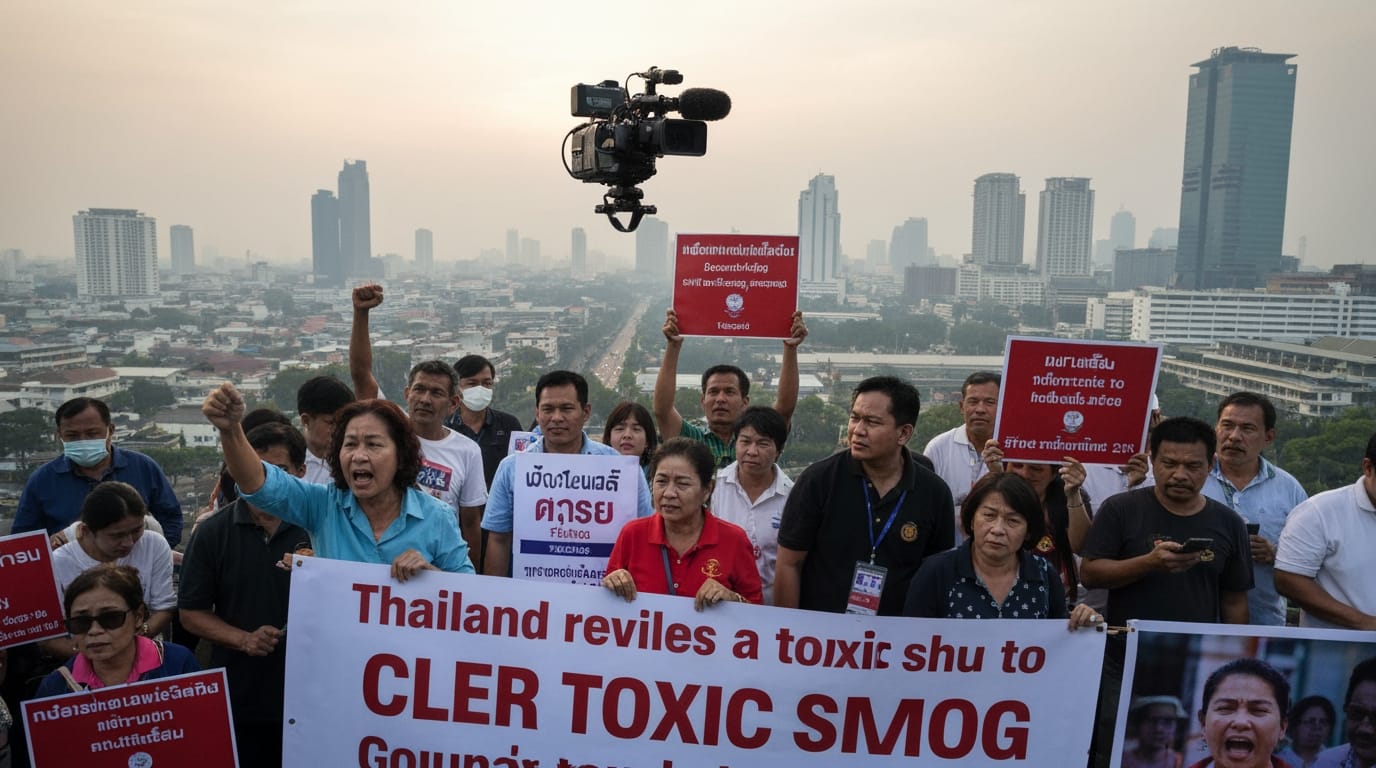
BANGKOK, Thailand – In a landmark move poised to reshape the nation's environmental landscape, Thailand's parliament has revived a critical Clean Air Bill, signaling a robust commitment to combat the pervasive toxic smog that has plagued its cities and rural areas for years. The legislation, which recently received overwhelming approval from the House of Representatives, aims to enshrine the fundamental right to breathable air for all citizens and impose stringent accountability on polluters. This legislative push comes amid escalating public health concerns and significant economic fallout caused by persistently hazardous air quality.
The vote on May 15, 2026, saw a resounding 611 in favor, three against, and one abstention, propelling the bill forward to the Senate for further scrutiny. Its passage represents a pivotal moment in Thailand's protracted battle against air pollution, moving beyond a patchwork of regulations to a comprehensive legal framework. This renewed legislative effort seeks to tackle the root causes of the haze, which annually blankets the nation, turning breathing into a daily hazard and exacting a heavy toll on public health and the economy.
The Persistent Haze: A Health and Economic Crisis
Thailand's struggle with air pollution is a well-documented crisis, with major urban centers like Bangkok and the northern tourist hub of Chiang Mai frequently ranking among the world's most polluted cities, particularly during the dry season. The primary culprit is fine particulate matter, known as PM2.5, particles small enough to penetrate deep into the lungs and enter the bloodstream, posing severe respiratory and cardiovascular risks.
The sources of this pervasive pollution are multifaceted. Agricultural burning, primarily the practice of incinerating crop stubble to clear land for the next planting season, is a major contributor, especially from December to April. This is compounded by emissions from vehicles, industrial activities, construction, and fossil fuel power plants. Geographic factors in northern regions often trap smoke, exacerbating hazardous conditions that can persist for weeks.
The health consequences are dire. Long-term exposure to PM2.5 in Thailand was estimated to contribute to 29,000 premature deaths in 2021, and an even higher figure of 65,500 pollution-related deaths in 2015. Lung diseases, pneumonia, and heart attacks are among the leading causes of death attributable to air pollution. Children are particularly vulnerable, with millions regularly exposed to hazardous concentrations of PM2.5, leading to impaired lung development, increased asthma risk, and potential impacts on brain development.
Beyond human suffering, the economic impact is staggering. Air pollution is costing Thailand trillions of baht in economic damage annually. The World Bank estimated that PM2.5 pollution alone cost the Thai economy 2.173 trillion baht in 2019, representing a staggering 6% of the nation's GDP lost each year. This includes massive medical expenditures, with Bangkok alone facing an estimated 3 billion baht in health-related economic losses monthly, encompassing treatment and preventive measures like masks and air purifiers. The recurrent smog also adversely affects the vital tourism sector, impacting destinations like Chiang Mai.
A Legislative Push for Clearer Skies
The journey of the Clean Air Bill underscores a growing public demand for action. Its origins trace back to a civil society initiative in 2019, culminating in a cross-sector coalition that gathered over 20,000 signatures to advocate for the legislation. Although the legislative process was temporarily halted by the dissolution of parliament last December, the new cabinet swiftly reintroduced the bill, culminating in its recent parliamentary approval.
The newly revived bill introduces several critical provisions designed to fundamentally alter how air pollution is managed in Thailand. A cornerstone of the legislation is the "polluter pays" principle, which holds industrial, agricultural, and transport sectors accountable for their emissions through fees, fines, and taxes. This mechanism is intended to generate funds for cleaner technologies and public health initiatives.
Crucially, the bill also formally enshrines the "right to clean air" as a fundamental right for all citizens. This includes the right to access vital information regarding pollution and air quality, the right to participate in policy and planning, and the right to seek environmental justice through the courts. It mandates continuous air quality monitoring and inspections in high-risk areas.
Furthermore, the legislation introduces comprehensive sector-specific measures. This includes prohibitions on open burning for agricultural purposes, though with provisions for exemptions in specific cases like pest control. It also mandates government agencies to develop strategies to curb reliance on oil-based vehicles, boost the adoption of low-emission alternatives, discourage private car use, and expand public transportation networks in urban areas. A significant new concept is the decentralization of authority, empowering local administrative organizations to manage air pollution within their jurisdictions. The bill also addresses the complex issue of transboundary pollution by introducing supply-chain traceability mechanisms to identify and hold accountable companies responsible for cross-border emissions. To oversee these efforts, the bill proposes the establishment of a Clean Air Policy Committee at the national level and Provincial Clean Air Committees. Penalties for non-compliance include fines and, in some proposals, imprisonment, reflecting the seriousness with which the issue is now being treated.
Stakeholders and Implementation Challenges
The bill's revival has been met with a mix of relief and cautious optimism. Advocates, such as Wirum Limsawart from Thailand's Clean Air Network, expressed satisfaction but also voiced concerns about potential amendments or opposition in the Senate, where stakeholders affected by the new regulations could seek to dilute its impact. Indeed, the journey to full implementation is fraught with challenges. Past measures to tackle pollution have been criticized as ineffective, failing to address the root causes of the problem.
A key challenge will be the enforcement of prohibitions against agricultural burning, a practice deeply embedded in traditional farming methods and often driven by economic necessity for farmers. The bill attempts to incentivize cleaner practices through both economic measures and penalties, but successful implementation will require robust support systems and viable alternatives for those currently relying on burning. There are also concerns that the decentralization of authority, while potentially beneficial, could open avenues for inconsistent enforcement or even corruption at local levels.
A Broader Regional Context and Future Outlook
Thailand's efforts are not isolated. Air pollution, particularly transboundary haze, is a significant regional challenge, with winds frequently carrying pollutants across national borders. The Association of Southeast Asian Nations (ASEAN) has long recognized this issue, with agreements such as the ASEAN Agreement on Transboundary Haze Pollution (AATHP) signed in 2002, and subsequent roadmaps aimed at fostering regional cooperation.
Thailand's new Clean Air Bill, with its provision for supply-chain traceability, could significantly bolster these regional agreements by enhancing national accountability and facilitating cross-border enforcement. The broader vision for the region is a "haze-free ASEAN," a goal that requires concerted national efforts supported by intensified regional and international cooperation. As other nations like the United States, European Union members, the United Kingdom, the Philippines, and Singapore have demonstrated, robust legislative frameworks are crucial for effective air quality management.
The Clean Air Bill represents a transformative step for Thailand, moving from acknowledging the problem to establishing a comprehensive legal framework for solutions. By defining clean air as a fundamental human right and implementing a "clean air for health" concept, the nation is setting a new standard. However, the real impact will depend on effective enforcement, diligent public oversight, and unwavering cooperation from all sectors—government, industry, agriculture, and citizens alike. The passage of this bill offers hope that Thailand is on the path towards reclaiming its skies, ensuring a healthier and more sustainable future for its people.


