United States Deepens Military Footprint in Nigeria Amid Mounting Regional Security Concerns
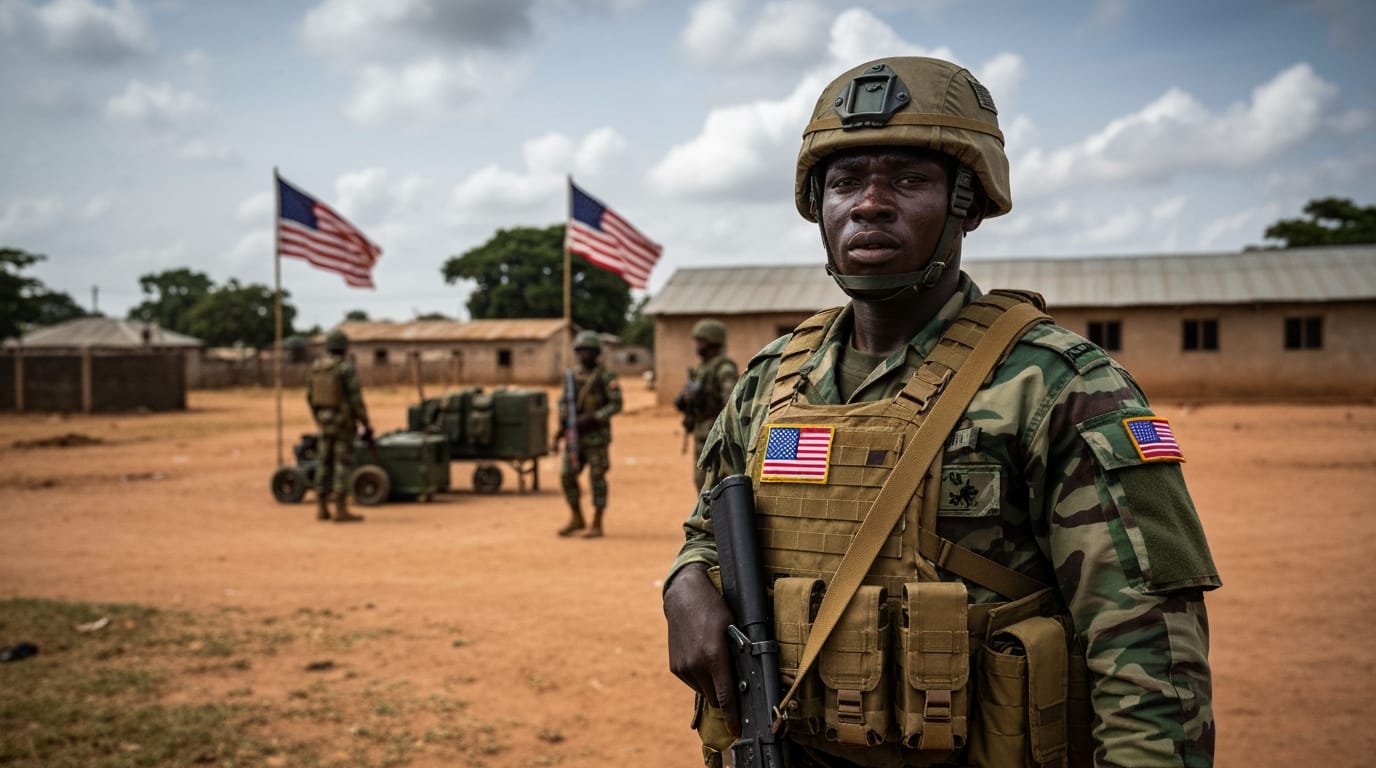
The United States has significantly increased its military engagement and cooperation with Nigeria, deploying surveillance drones and personnel while enhancing intelligence sharing and joint operations in a concerted effort to combat persistent extremist threats across the West African nation. This deepening involvement, characterized by expanded intelligence collaboration and direct operational support, aims to bolster Nigeria's capacity against groups such as Boko Haram and the Islamic State West Africa Province (ISWAP), yet it simultaneously ignites discourse regarding national sovereignty and the long-term strategic implications of such foreign military presence.
An Evolving Partnership Against Persistent Extremism
The recent expansion of U.S. military activities marks a notable shift in the bilateral security relationship between Washington and Abuja. As tensions in the Middle East escalate, the United States has quietly augmented its military footprint in Nigeria, deploying MQ-9 surveillance drones and approximately 200 troops. This deployment is framed as crucial counterterrorism support, with a primary focus on intelligence gathering and training missions. U.S. Africa Command (AFRICOM) has affirmed its commitment to providing additional military equipment, logistical support, and accelerating arms approvals and intelligence collaboration to Nigeria. This proactive engagement contrasts sharply with earlier periods under the previous U.S. administration, which had at one point considered Nigeria a "country of particular concern" over perceived religious persecution. Diplomatic efforts by Nigerian officials were instrumental in de-escalating those tensions, paving the way for the current robust security partnership aimed at improving situational awareness and operational effectiveness in counter-terrorism missions.
The Broadening Scope of U.S. Military Assistance
The United States' current military involvement in Nigeria extends beyond mere advisory roles, encompassing a comprehensive array of support mechanisms. Enhanced intelligence sharing forms a cornerstone of this cooperation, providing Nigerian forces with critical information to track and neutralize extremist elements. Equipment support and operational coordination have also seen substantial increases, alongside direct logistical assistance. American personnel are reportedly operating from Bauchi, feeding intelligence into joint systems to support field operations. Evidence of this deepening collaboration includes U.S. airstrikes in December 2025 against Islamic State-linked positions in northwestern Nigeria, and a significant joint operation in May 2026 that resulted in the killing of Abu Bilal al-Minuki, described as a senior ISWAP leader. This operational collaboration underscores a move towards more direct engagement. Furthermore, both nations have renewed their commitment to strengthening joint military operations with an emphasis on "smarter firepower delivery and stronger civilian protection" through programs like the AGI initiative, reflecting an effort to adhere to humanitarian standards while combating threats.
Nigeria’s Strategic Rationale and Diplomatic Maneuvers
Nigerian authorities have formally approved the U.S. military deployment and ongoing cooperation, viewing it as a vital component in their protracted battle against insurgency. Nigerian officials have publicly stated that the renewed partnership has significantly improved their situational awareness and overall operational effectiveness in counter-terrorism missions. The shift in U.S. policy, particularly under the Trump administration, from threatening consequences to embracing counterterrorism cooperation, is attributed in part to concerted diplomatic efforts by Nigeria. High-level engagements and the establishment of joint working groups played a crucial role in transforming the relationship, demonstrating a transactional logic that prioritizes security cooperation over previous contentious issues. This strategic pivot by Abuja ensured that Nigeria transitioned from being a potential pariah state in U.S. conservative circles to a key security partner in Africa.
Undercurrents of Concern and Potential Ramifications
Despite the stated benefits, the deepening U.S. military involvement in Nigeria is not without its critics and potential pitfalls. Observers express concerns that an increasing reliance on foreign military support could undermine national sovereignty, potentially entangling Nigeria in broader geopolitical conflicts beyond its immediate security interests. There are also questions regarding the transparency of these expanded operations, with critics suggesting that assurances of limited missions often mask deeper strategic objectives, and that "advisory" deployments have historically evolved into more extensive military engagements in other regions. Domestically, the presence of foreign military forces, particularly U.S. special forces, could provoke criticism and potential backlash against the Nigerian government, notably President Bola Tinubu, especially in conservative northern regions where foreign intervention may be viewed with suspicion. Furthermore, there is a recognized risk that jihadist groups might attempt to retaliate by targeting assets, personnel, and symbols associated with the U.S.-Nigerian cooperation.
Navigating a Complex Security Landscape
The United States' deepening military involvement in Nigeria represents a complex and evolving chapter in the security dynamics of West Africa. While the immediate goal of enhancing Nigeria's counter-terrorism capabilities is clear and supported by both nations, the long-term implications for Nigerian sovereignty, regional stability, and the potential for unintended consequences remain subjects of ongoing scrutiny. As joint operations continue and military ties strengthen, both Washington and Abuja face the delicate task of balancing immediate security gains against the broader strategic considerations and domestic perceptions that define this crucial partnership.


