The Backrooms: How a Creepy Internet Image Evolved into a Global Horror Phenomenon and Psychological Study
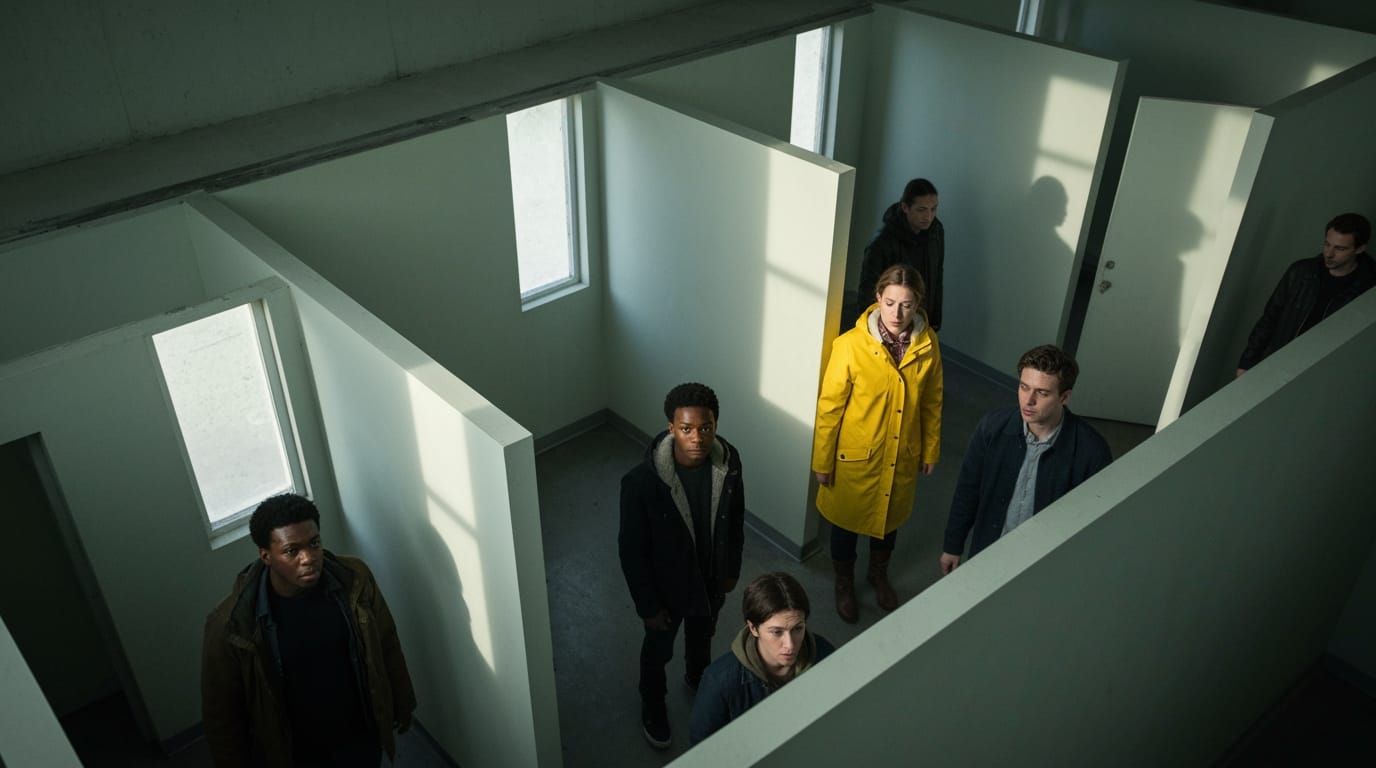
What began as a single, unsettling photograph posted to an obscure internet forum has rapidly transformed into "The Backrooms," a pervasive digital urban legend that now encompasses a vast, collaboratively built mythology, popular video games, and even a major motion picture. This evolving phenomenon taps into deeply rooted psychological anxieties, leveraging the eerie familiarity of liminal spaces to create a unique brand of horror that resonates with millions worldwide. Its journey from a viral image to a mainstream cultural touchstone highlights the power of collective online storytelling.
The Accidental Birth of a Digital Urban Legend
The genesis of The Backrooms can be traced to a May 2019 thread on 4chan, the infamous imageboard. An anonymous user initiated a discussion, inviting others to "post disquieting images that just feel 'off.'" Among the submissions was a photograph depicting an empty, aged office space, characterized by faded yellow wallpaper, stained carpet, and harsh fluorescent lighting. This seemingly mundane image was accompanied by a chilling caption: "If you're not careful and you noclip out of reality to the wrong areas, you'll end up in the Backrooms, where it's nothing but the stink of old moist carpet, the madness of the mono-yellow, the endless background noise of fluorescent lights at maximum hum, and approximately six hundred million square miles of randomly segmented empty rooms to be trapped in. God save you if you hear something watching around nearby because it sure as hell heard you."
The term "noclip" itself is rooted in video game terminology, referring to a glitch or cheat that allows players to pass through solid objects or access areas outside the intended game map, often revealing unfinished, barren "backrooms" left by developers. This concept provided an immediate, relatable framework for the strange, unintended space. For years, the actual origin of the photograph remained a mystery, fueling its enigmatic allure. However, internet sleuths eventually uncovered its surprising real-world source: a HobbyTown store in Oshkosh, Wisconsin, photographed during renovations in the early 2000s after suffering water damage. Ironically, the "backrooms" in question were, quite literally, the back rooms of a store, capturing a transient state before conversion into an RC racing track.
The Architecture of Dread: Liminal Spaces and Psychological Impact
The core of The Backrooms' unsettling appeal lies in its masterly use of what is known as "liminal spaces." These are transitional or in-between environments—such as empty hotel hallways, abandoned malls, or deserted corridors—that typically evoke a sense of unease, nostalgia, or disorientation due to their uncanny emptiness and departure from their usual bustling context. The Backrooms exemplify this aesthetic, presenting an infinite maze of drab, yellow-hued rooms that feel simultaneously familiar and deeply alien. The original description's vivid sensory details—the "stink of old moist carpet," the "madness of the mono-yellow," and the "endless background noise of fluorescent lights at maximum hum-buzz"—further immerse individuals into this disquieting realm.
The psychological effects on those imagined to be trapped within The Backrooms are profound. Experts suggest that such an environment induces intense feelings of isolation, extreme paranoia, and overwhelming loneliness. The absence of other people, coupled with the monotonous, inescapable nature of the space, can lead to derealization, where one's surroundings or even oneself feel unreal, and a profound sense of helplessness. This psychological torment, rather than overt jump scares, forms the primary terror of The Backrooms. As one psychologist noted, "the space is the monster," actively preying on fundamental human fears and survival instincts. The horror is derived from what is suggested and implied, forcing the mind to fill the void with imagined threats and anxieties.
A Universe Unleashed: Collaborative Lore and Expanding Realms
What began as a singular image and a brief description rapidly expanded into a sprawling, community-driven narrative. Internet users, captivated by the original concept, started contributing their own interpretations and elaborations. This collective creativity led to the development of an intricate, multi-layered mythology. Key additions included the concept of "levels"—interconnected layers of the Backrooms, each with its own unique characteristics, hazards, and aesthetics—and "entities," various hostile or enigmatic creatures that inhabit these spaces.
Dedicated wikis, hosted on platforms like Fandom and Wikidot, along with numerous Discord communities, emerged as central hubs for this collaborative worldbuilding. Here, users meticulously cataloged new levels, documented entities, and even developed complex lore, including in-universe organizations like the "Major Explorers Group" (M.E.G.) or the "Backrooms Wanderers Organization" (B.W.O.) and elaborate timelines with internal conflicts. This process mirrored the collaborative storytelling model seen in phenomena like the SCP Foundation, blurring the lines between individual creators and a collective audience. However, this rapid expansion also led to a schism within the fandom; some "purists" prefer the minimalist, isolating terror of the original concept, while others embrace the burgeoning narrative complexity, which some feel shifts the focus from pure dread to a more plot-driven spectacle. The very nature of this collaborative creation has "gamified" the idea of navigating the Backrooms, making it an interactive experience for many.
From Screen to Silver Screen: Mainstream Adaptations and Cultural Resonance
The Backrooms' unique blend of psychological horror and communal worldbuilding inevitably spilled into various forms of media. Its compelling nature proved ripe for adaptation, first appearing in numerous fan-made video games such as Escape the Backroom and The Complex: Expedition, which immerse players in its unsettling environments.
A significant turning point in its mainstream recognition came in early 2022 with the viral YouTube series created by then-16-year-old filmmaker Kane Parsons, known online as Kane Pixels. Parsons' found-footage style shorts, beginning with "The Backrooms (Found Footage)," quickly garnered millions of views, propelling the concept into wider public consciousness. His videos are credited with igniting a surge in Backrooms content and taking the phenomenon into the mainstream, ultimately amassing over 197 million views across his series. This viral success caught the attention of Hollywood, leading to a feature film adaptation simply titled "Backrooms." Directed by Kane Parsons himself and produced by A24, the film, starring Chiwetel Ejiofor and Cristin Milioti, premiered in May 2026. The movie explores the inherent psychological torment and repetitive behavioral patterns associated with being trapped in such a space. Beyond the film, The Backrooms has also influenced other popular culture, cited as an inspiration for Apple TV+'s Severance and appearing in music videos, while the #liminalspaces hashtag has accumulated billions of views on TikTok, demonstrating its pervasive cultural footprint.
Conclusion
From a single anonymous photograph on a niche forum, The Backrooms has undergone a remarkable evolution, transitioning from an internet creepypasta to a multi-platform cultural phenomenon. Its enduring appeal stems from its ability to tap into universal anxieties: the fear of isolation, the dread of the unknown, and the unsettling familiarity of spaces devoid of their intended purpose. It reflects a modern emotional state, where feelings of being trapped, disoriented, or searching for meaning resonate deeply within a technologically mediated world. The collaborative nature of its lore, driven by an engaged online community, has allowed it to adapt and grow, continually finding new ways to explore psychological dread. The Backrooms stands as a compelling testament to the internet's capacity for creating immersive, shared narratives that blur the lines between fiction and a collective, unsettling reality.