The Digital Diplomat: How Cryptocurrencies Are Reshaping Global Politics
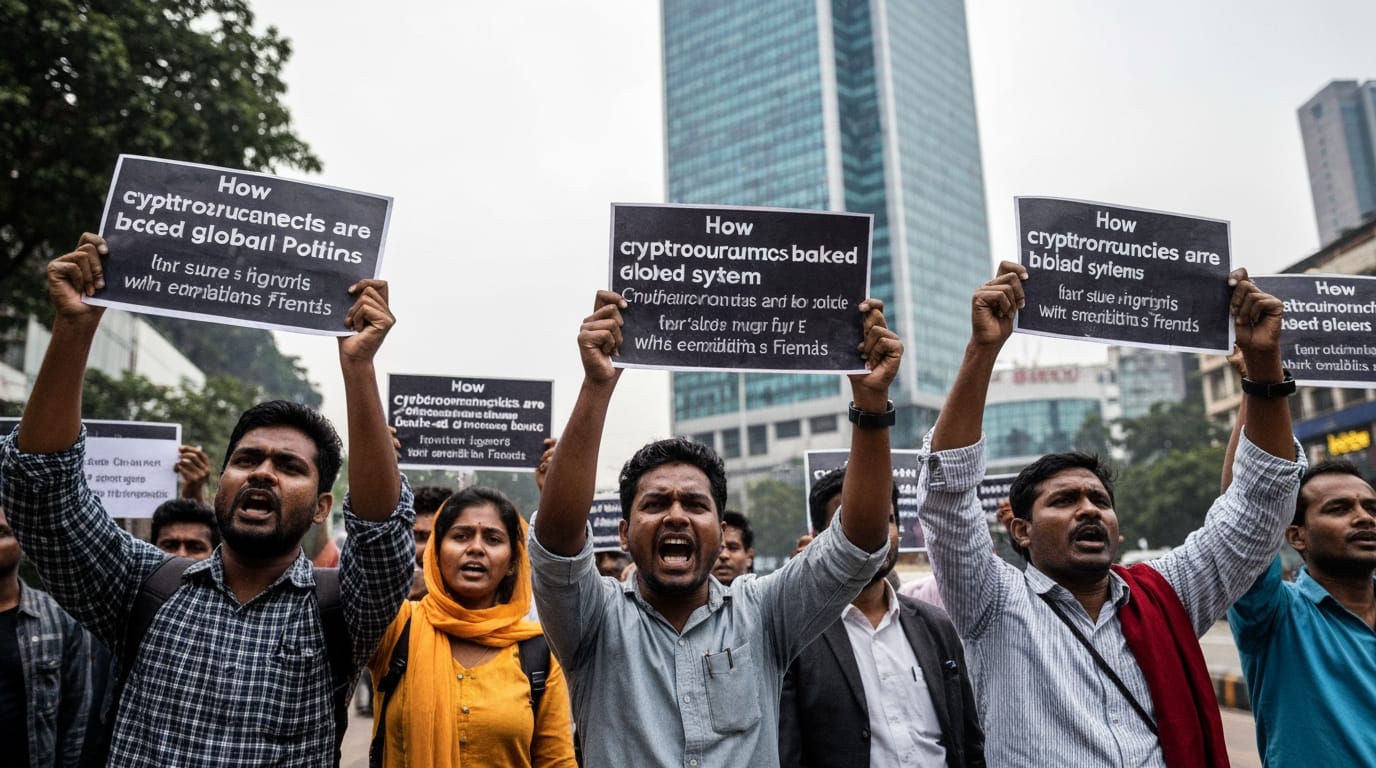
The rise of cryptocurrencies, once dismissed as niche digital curiosities, has dramatically altered the landscape of global politics, challenging traditional financial systems, reshaping state sovereignty, and introducing new dynamics in international relations. Far from being a mere technological innovation, digital assets are now an undeniable force in the geopolitical arena, influencing everything from economic stability and humanitarian aid to national security and regulatory frameworks. This evolving digital frontier presents both profound opportunities and significant challenges for nations and international organizations alike, forcing a re-evaluation of established norms and practices.
Economic Sovereignty Under Scrutiny: Cryptocurrencies and the Global Financial Order
The decentralized nature of cryptocurrencies directly challenges the long-held prerogatives of central banks and national governments over monetary policy. In countries with unstable economies or high inflation, digital assets like Bitcoin have emerged as a potential hedge against devaluation, offering citizens an alternative store of value outside traditional financial systems. This dynamic can, however, complicate a government's ability to manage its economy and maintain control over its currency. Moreover, the ease of cross-border cryptocurrency transactions offers a bypass to conventional financial infrastructure, potentially eroding the influence of dominant global currencies, particularly the U.S. dollar, by offering alternative settlement mechanisms. The implications extend to global financial power, as nations like China explore digital versions of their national currencies (e-CNY) with an eye toward reshaping the international monetary system.
The Double-Edged Sword: Sanctions Evasion and Humanitarian Pathways
Perhaps one of the most contentious political impacts of cryptocurrencies lies in their potential to both undermine and support international objectives. The anonymity and decentralized nature of some digital assets, along with sophisticated obfuscating technologies like privacy coins, mixers, and tumblers, have raised significant concerns among global powers regarding sanctions evasion. Countries such as Russia, Iran, Venezuela, and North Korea have reportedly explored or utilized cryptocurrencies to circumvent financial restrictions imposed by the United States and other international bodies. In 2024, sanctioned entities received an estimated $15.8 billion in cryptocurrency, underscoring the scale of this challenge. This development forces a difficult balancing act for regulators aiming to prevent illicit finance without stifling innovation.
Conversely, cryptocurrencies are proving to be a powerful tool in humanitarian aid, offering a faster, more cost-effective, and transparent means of delivering assistance to vulnerable populations. Blockchain technology enhances the traceability of funds, reducing the risk of corruption and administrative overhead. Initiatives such as the United Nations World Food Programme's use of blockchain for aid distribution to Syrian refugees, and the UNHCR's Stellar Aid Assist program for Ukrainian refugees, demonstrate the tangible benefits of crypto in crisis zones. These digital solutions can provide financial access in regions lacking traditional banking infrastructure, fostering financial inclusion for the unbanked.
The Regulatory Race: A Global Patchwork of Policies
The rapid evolution and diverse applications of cryptocurrencies have spurred a global race among governments and international organizations to establish comprehensive regulatory frameworks. This effort seeks to balance the promotion of innovation with crucial objectives like investor protection, financial transparency, and systemic stability. However, the landscape remains a complex patchwork of policies, ranging from outright bans in some nations to permissive environments in others.
International bodies, including the Financial Action Task Force (FATF) and the Financial Stability Board (FSB), are actively working to develop global standards for crypto asset activities and stablecoins, focusing on combating money laundering and terrorist financing. Regionally, the European Union's Markets in Crypto-Assets (MiCA) regulation represents a significant step towards a unified legal framework, while the United States continues to progress towards federal oversight of stablecoins and digital asset markets. A persistent challenge lies in the classification of cryptocurrencies—whether they are treated as property, commodities, or securities—which significantly impacts their regulatory treatment.
Central Bank Digital Currencies: The State's Response to Decentralization
In response to the growing influence of private cryptocurrencies, central banks worldwide are intensely exploring and developing their own Central Bank Digital Currencies (CBDCs). As of July 2025, 137 countries are researching CBDCs, with nearly 50 conducting pilot programs. These digital forms of state-issued money are seen by many as a means for central banks to maintain monetary sovereignty, enhance financial stability, and modernize payment systems.
The motivations behind CBDC adoption are often more political than purely technological or economic. Governments view CBDCs as powerful tools to combat money laundering, tax evasion, and illicit financial flows, particularly in contexts where traditional banking systems may lack transparency. For example, China's e-CNY exemplifies how a CBDC can offer enhanced state control and surveillance over financial transactions. Beyond domestic control, CBDCs also carry significant geopolitical implications, with some nations envisioning them as a pathway to establishing alternative international settlement systems that could challenge the existing dominance of the U.S. dollar. The development of a digital euro, for instance, is framed as a critical step toward Europe's strategic autonomy and monetary sovereignty.
Conclusion: An Irreversible Shift in Global Power Dynamics
The integration of cryptocurrencies into the global political landscape is an irreversible phenomenon, profoundly altering economic, security, and diplomatic considerations for states and international actors. From challenging the traditional bastions of financial power and enabling novel forms of humanitarian intervention to complicating sanctions regimes and driving the development of state-controlled digital currencies, the impact is multifaceted and ongoing. The tension between the decentralized, borderless nature of cryptocurrencies and the inherent desire of nation-states to maintain control over their financial systems and sovereignty will continue to shape global policy debates. As digital assets mature and their technological underpinnings become more sophisticated, their influence on geopolitical power dynamics will only intensify, necessitating continuous adaptation and international cooperation to navigate this evolving digital future.


