The Digital Shadow: How Online Networks and Illicit Markets Fuel Teen Gun Access in Southeast Asia
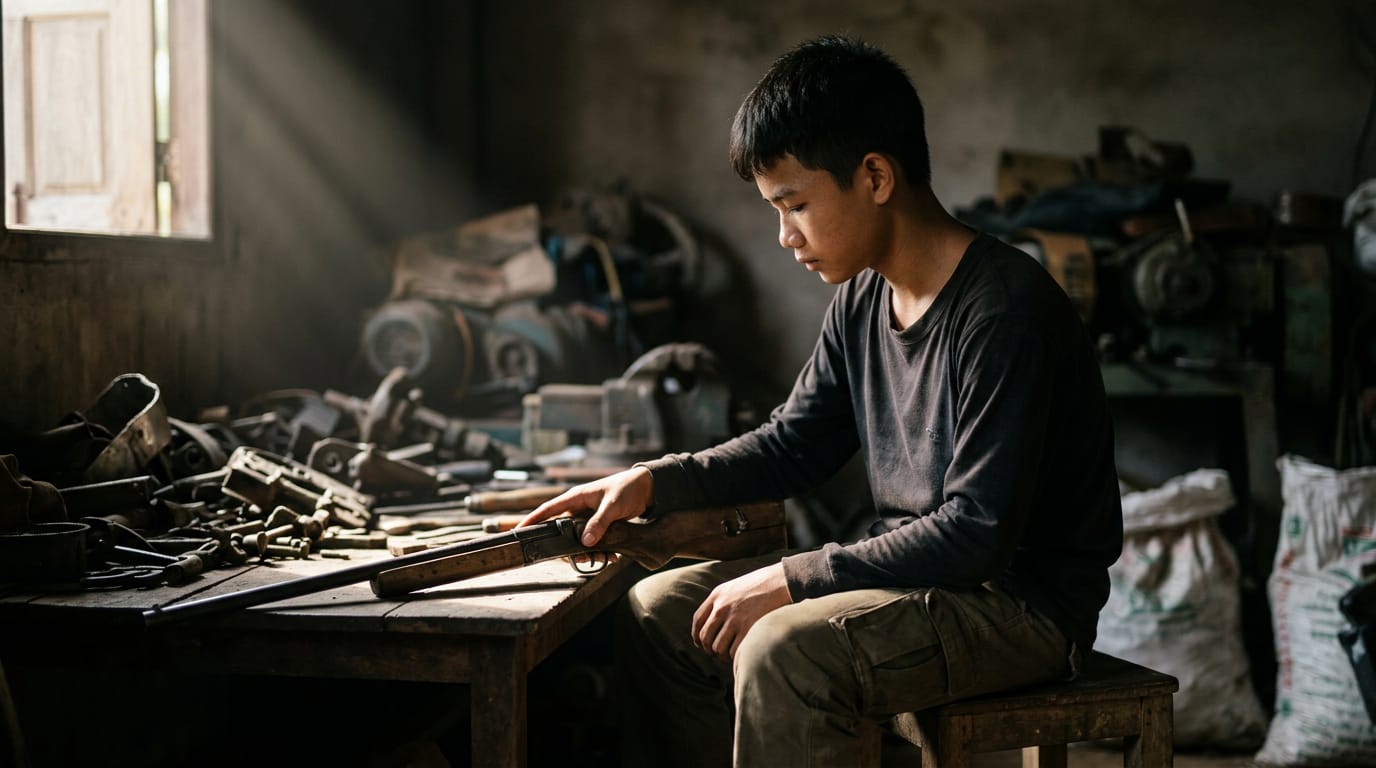
Southeast Asia faces a growing challenge as firearms increasingly fall into the hands of teenagers, often facilitated by a complex web of illicit arms markets, online platforms, and evolving societal vulnerabilities. Recent high-profile incidents, particularly in Thailand, have cast a stark light on the accessibility of weapons for youth, signaling a dangerous trend that demands urgent attention from regional authorities and communities alike. The proliferation of converted weapons and the ease of online procurement represent a significant shift from traditional arms trafficking, making firearms more readily available to a younger demographic.
The Evolving Landscape of Illicit Arms Circulation
The illicit arms trade in Southeast Asia has diversified significantly beyond the legacy weapons from past conflicts that once saturated the region. Modern trafficking networks now draw on a varied range of sources, contributing to an uptick in the region's arms trafficking score between 2021 and 2023, according to the Global Organized Crime Index. Porous state armouries remain a major concern, with weapons frequently stolen or illegally acquired from military and police forces. Corruption plays a fundamental role, often involving unscrupulous government officials and security personnel who facilitate these transactions.
Another critical source is the burgeoning trade in converted weapons. These are typically blank-firing or air guns that have been modified to fire live ammunition, a development described as particularly concerning by experts. In March 2024, Vietnamese police dismantled a significant trafficking network dealing primarily in converted airsoft guns, highlighting the scale of this problem. Local craft producers also contribute to the supply, manufacturing illegal firearms within various countries. Additionally, cross-border smuggling from neighboring countries with less stringent controls, and from conflict-affected zones like Myanmar, continues to funnel weapons into the region. Cambodia, for instance, has long been identified as an important source for illicit arms due to a lack of internal governance and the remnants of past conflicts.
The Digital Pipeline: Online Access and Youth Vulnerability
A disturbing trend in recent years is the pivotal role of online platforms in facilitating the transfer of illicit firearms to young individuals. Social media channels and messaging apps have become virtual marketplaces where weapons are openly advertised and sold, circumventing traditional law enforcement controls. This digital pipeline makes it remarkably easy for teenagers to acquire firearms, often with express delivery options, as demonstrated by investigative checks.
Incidents in Thailand have particularly underscored this vulnerability. In October 2023, a 14-year-old was responsible for a deadly shooting at Bangkok's Siam Paragon mall, using a modified blank-firing pistol that he had purchased online along with bullets and ammunition magazines. Investigations revealed that he learned how to use firearms through social media. Similarly, in a school shooting in Nonthaburi in August 2026, a teenager used his grandfather's handgun after reportedly learning about firearm use on social media and accessing violent content online. Police in Bangkok have already dismantled a gun trafficking ring that specifically targeted teenagers via Facebook groups, indicating a deliberate effort by criminals to exploit these online channels.
Beyond direct procurement, social media also plays a role in radicalizing some youth. In countries like Indonesia and Singapore, authorities are monitoring dozens of teenagers influenced by content glorifying mass violence and white supremacist ideologies, often spread through platforms like Telegram. This exposure, coupled with a "youth culture that celebrates weapons" in some areas, contributes to an environment where firearms can become attractive or perceived as a means of asserting power.
Systemic Weaknesses and Enforcement Challenges
Despite the presence of firearm regulations in many Southeast Asian nations, systemic weaknesses and a lack of consistent enforcement pose significant hurdles to controlling gun access. Thailand, for example, has some of the highest rates of gun ownership in Southeast Asia, with millions of unregistered weapons in circulation. While the country has had gun control laws in place for decades, the core failure often lies not in the legal text itself, but in the insufficient enforcement and follow-through on existing regulations.
A substantial portion of illegal firearms originates from legally acquired weapons that enter the black market due to lax oversight. Government programs that allow military and police personnel to purchase subsidized firearms have been repeatedly abused, with weapons being resold or leaking into illicit channels. Once permits are obtained for legal gun ownership, there are often few requirements for renewal or mental health assessments, contributing to a large pool of untracked firearms. The ease with which illegal guns can be acquired often makes them more accessible than legal ones, further complicating efforts to curb their spread. Penalties for illegal gun possession can also be inadequate, requiring more decisive and swift enforcement.
The Far-Reaching Consequences and Call for Action
The ease of access to firearms by teenagers carries profound consequences, contributing to increased violence, instability, and a pervasive sense of insecurity within communities. Beyond the immediate tragedy of shootings, youth violence, often exacerbated by the availability of guns, results in deaths, injuries, and long-term psychological and social impacts. Risk factors for youth involvement in gun violence are multifaceted, including unsupervised access to guns, association with delinquent peers or gangs, and exposure to violence in their communities. Broader socio-economic issues such as poverty, political instability, and corruption create fertile ground for the illegal arms trade, driving both supply and demand.
Addressing this complex issue requires a multi-pronged approach that extends beyond mere law enforcement. Sustainable development initiatives focused on creating economic opportunities, vocational training, and entrepreneurship support can reduce the appeal of illicit economies for young people. Furthermore, improving mental health assessments, mandating secure gun storage at home, and enhancing school-based interventions for conflict resolution are critical steps. Regional cooperation among ASEAN member states, through initiatives like the ASEAN Plan of Action in Combating Transnational Crime, is essential for information exchange and law enforcement capacity building. However, the effectiveness of such efforts has been questioned due to perceived half-hearted implementation and a lack of consistent focus on the issue. Without concerted and comprehensive action, the digital shadow cast by illegal arms trade will continue to endanger the youth and stability of Southeast Asia.