The Enduring Battle for Life in Louisiana's 'Cancer Alley'
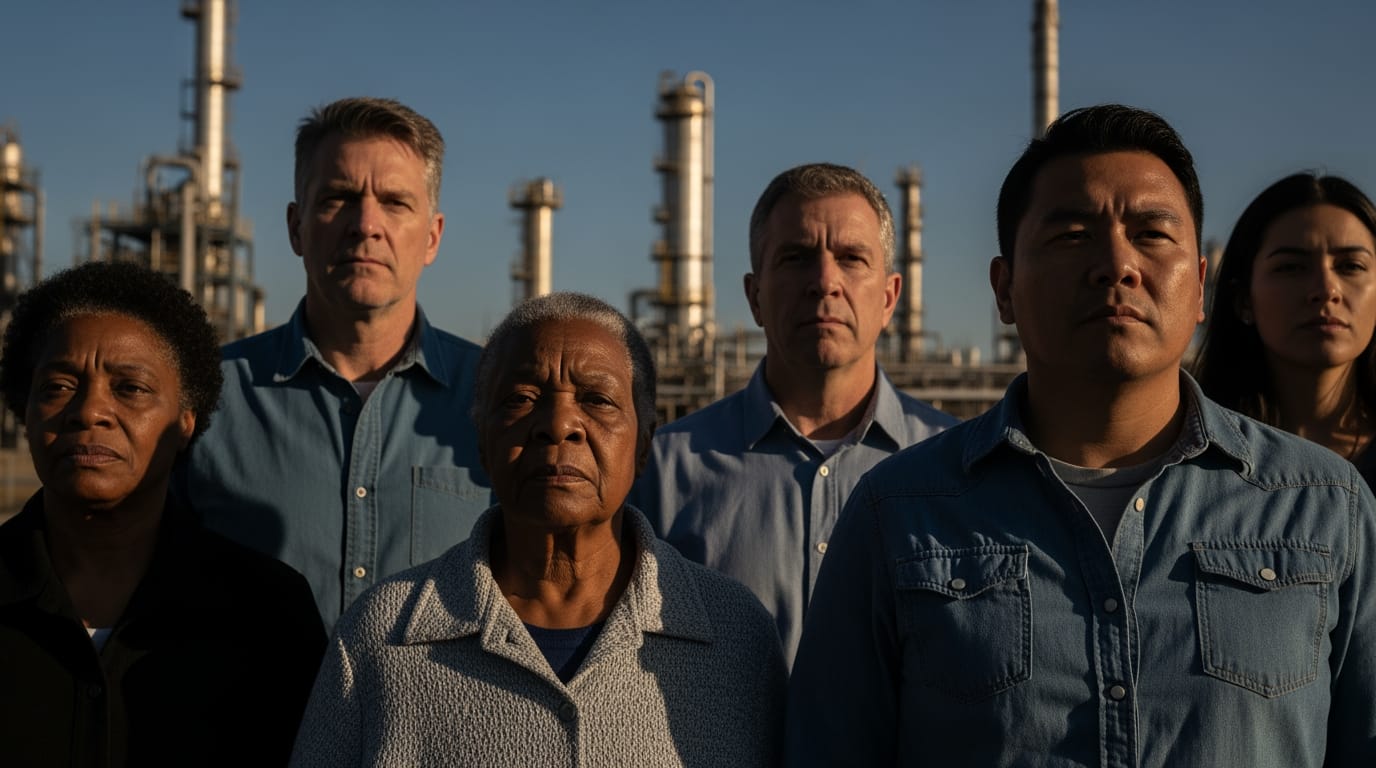
Along an 85-mile stretch of the Mississippi River between Baton Rouge and New Orleans, a relentless struggle unfolds daily, pitting predominantly Black and low-income communities against the formidable might of the petrochemical industry. This region, infamously dubbed "Cancer Alley," is home to over 200 industrial facilities whose continuous emissions have created an environmental and public health crisis, exposing residents to alarmingly high rates of cancer and other serious ailments. As corporations pursue expansion and economic development, the local population, armed with deep-rooted community ties and an unwavering commitment to environmental justice, continues its fight for clean air, clean water, and the fundamental right to healthy lives.
The Weight of Industry and a Troubled History
"Cancer Alley" denotes a corridor saturated with petrochemical plants and oil refineries, constituting a quarter of the nation's petrochemical production. This industrial concentration has deep historical roots, with many facilities built on former slave plantation sites, perpetuating a legacy of environmental racism. Communities like those in St. James Parish, once known as "Plantation Country," now contend with a dense array of chemical operations, often disproportionately located within Black neighborhoods. Studies have shown that residents in these areas experience significant health disparities, including cancer risks that can be seven to fifty times higher than the national average.
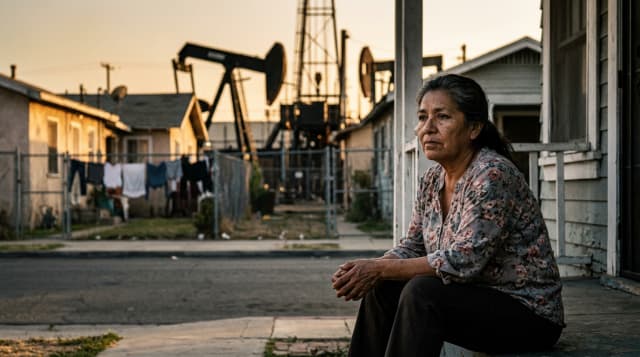
The health impacts extend beyond cancer, encompassing increased rates of respiratory illnesses, maternal and reproductive harms, and adverse newborn health outcomes. Key pollutants identified include chloroprene, ethylene oxide, benzene, and 1,3-butadiene, substances linked to severe health problems. For decades, residents have reported invasive chemical smells, failing vegetation, and a constant threat of industrial accidents. The region has been widely characterized as a "sacrifice zone," where the perceived economic benefits of industrial activity supersede the environmental and public health of its inhabitants.
Communities Mobilize: The Fight for Environmental Justice
Despite the overwhelming power of the petrochemical giants, the residents of Cancer Alley have emerged as a powerful force for change. Grassroots organizations, often led by local women of faith, have taken center stage in this environmental justice movement. Groups such as RISE St. James, Inclusive Louisiana, Concerned Citizens of St. John, and the Louisiana Bucket Brigade have spearheaded protests, legal challenges, and advocacy efforts. Notable activists like Sharon Lavigne, a retired special education teacher and founder of RISE St. James, have garnered national attention for their dedication to protecting their communities from further industrial encroachment.
These community groups have achieved significant, though often temporary, victories. In 2022, a state district court judge initially vacated 14 air permits for Formosa Plastics Group's proposed $9.4 billion "Sunshine Project" in St. James Parish, citing the Louisiana Department of Environmental Quality's (LDEQ) failure to adequately consider the cumulative environmental and public health impacts on the already overburdened community. This ruling was hailed as a major triumph, temporarily halting what would have been one of the world's largest plastics manufacturing facilities and its projected 800 tons per year of toxic air pollution. However, a Louisiana appellate court later reversed this decision in January 2024, upholding the LDEQ's permits and allowing Formosa's plans to potentially move forward, underscoring the persistent challenges faced by activists.
Legal battles also target discriminatory land-use practices. In a landmark case filed in 2023, Inclusive Louisiana, Mount Triumph Baptist Church, and RISE St. James sued St. James Parish, alleging decades of environmental racism and the disproportionate siting of industrial facilities in majority-Black districts. A federal appeals court ruled in April 2025 that these civil rights groups had legal standing to pursue their lawsuit, a decision the U.S. Supreme Court declined to review in October 2025, allowing the case to proceed to a federal district court. Additionally, in a notable development in May 2025, the Denka Performance Elastomer plant in St. John Parish, long criticized for its chloroprene emissions, suspended operations indefinitely due to financial losses and increased regulatory pressure, providing a measure of relief to nearby residents.
Industry's Stance and Evolving Regulatory Responses
The petrochemical industry consistently highlights its economic contributions to Louisiana. Companies argue that their operations create thousands of jobs and generate substantial tax revenues vital for the state's economy. For instance, the Formosa Plastics "Sunshine Project" in St. James Parish was projected to create 8,000 construction jobs and 1,200 permanent jobs, with a multibillion-dollar economic impact. The industry maintains that Louisiana's natural gas supply, deepwater ports, and skilled workforce provide competitive advantages, making it an attractive location for investment.
In response to growing activism and public scrutiny, industry and economic development groups have established their own initiatives, such as the Louisiana Industry Sustainability Council, aiming to counter the narratives of grassroots activists and promote what they describe as safe and responsible community jobs and prosperity. This council includes representatives from major companies like Chevron, Dow, Entergy, BASF, and ExxonMobil.
Meanwhile, federal regulatory bodies have faced pressure to intervene. The U.S. Environmental Protection Agency (EPA) has acknowledged the severe health risks and the disproportionate impact on Black residents in Cancer Alley, reporting that residents are exposed to more than ten times the level of health risk from hazardous air pollutants compared to other state residents. The EPA initiated civil rights investigations into Louisiana state agencies for alleged failures to protect these communities. In April 2024, the EPA announced new nationwide rules targeting over 200 chemical plants, including those in Louisiana, with the aim of cutting toxic emissions and reducing cancer risks by up to 96 percent. However, the EPA abruptly closed its civil rights investigation into Louisiana's state agencies in June 2023 without public explanation, a move that disappointed activists and was followed by a legal challenge from the Louisiana Attorney General against the use of the "disparate impact" provision in environmental regulations.
A Broader Environmental Justice Imperative
The ongoing struggle in Cancer Alley has resonated far beyond Louisiana, transforming the region into a national symbol of environmental injustice. The fight highlights a critical tension between economic development and the fundamental human right to a healthy environment. The Biden administration has identified Cancer Alley as an area particularly affected by environmental injustice and has introduced initiatives like the Justice40 Initiative, aiming to direct 40% of federal investments in climate and clean energy to disadvantaged communities.
Despite increased federal attention and some significant legal victories for residents, the battle is far from over. New petrochemical projects continue to be proposed, and communities face ongoing legal and political hurdles. The resilience of these residents, often driven by faith and a deep connection to their ancestral lands, underscores a broader call for systemic change in how industrial growth is balanced with environmental protection and social equity. The ultimate resolution in Cancer Alley will not only determine the future of these specific communities but also set crucial precedents for environmental justice movements across the nation.