The German Odyssey: Indian Students Navigate the Cost of a European Dream
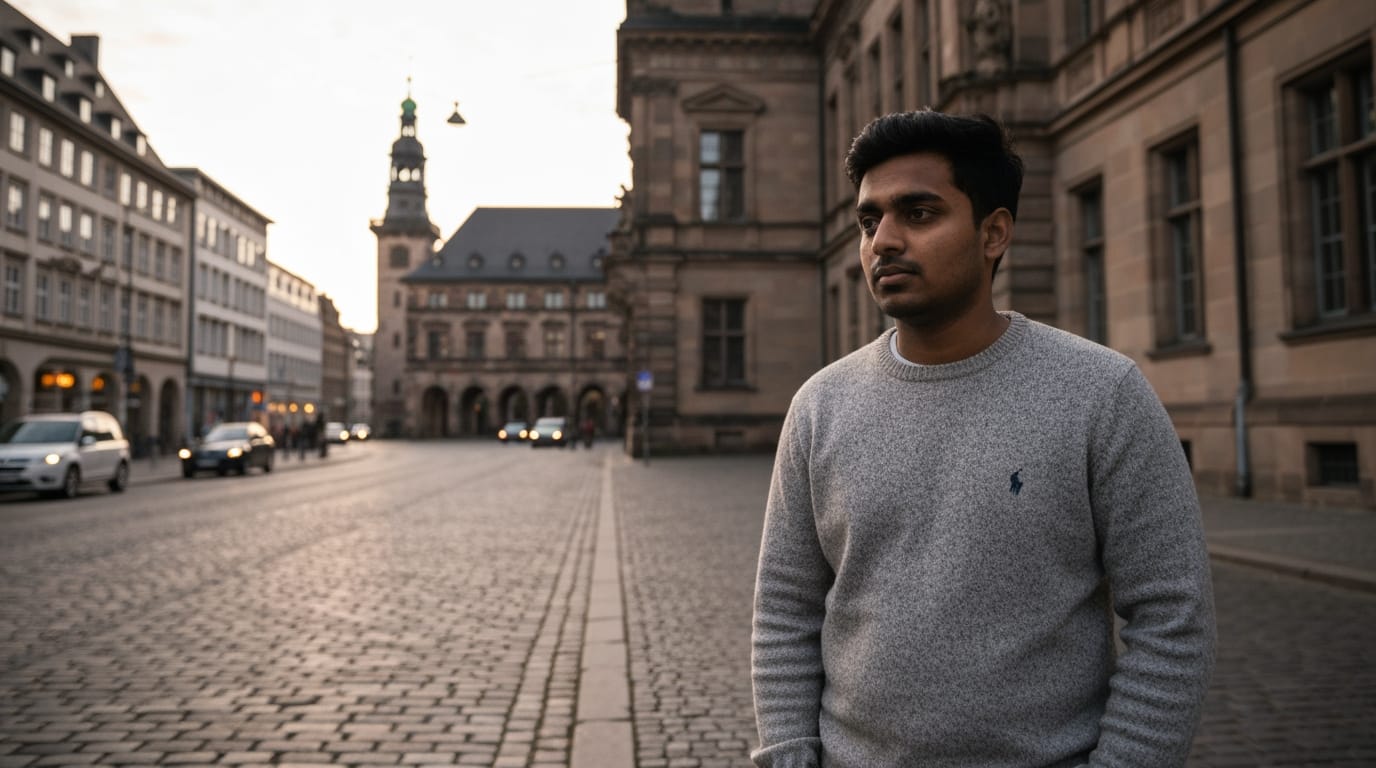
Berlin, Germany – A quiet revolution is underway in German universities, with India emerging as the leading source of international students. This surge reflects a burgeoning ambition among Indian youth to access world-class education and robust career opportunities, yet the journey is often a complex tapestry woven with financial hurdles and cultural adjustments. While Germany offers the enticing prospect of tuition-free public higher education, the "cost of a dream" extends far beyond academic fees, encompassing substantial living expenses and stringent financial prerequisites.
The allure of Germany's academic landscape has proven irresistible to a growing cohort of Indian students. In a significant shift, Indian students now represent the largest international student community in Germany, surpassing even China. Data from the Federal Statistical Office of Germany and DAAD India reveals a dramatic increase, with numbers more than doubling in the past five years to reach 49,483 in the winter semester of 2023/24. By mid-2025, over 42,000 Indian students were actively pursuing their studies, reflecting a year-on-year increase of approximately 7%. The total number reached 59,419 by 2024. This escalating trend is underpinned by several compelling factors: the promise of a high-quality education system, the availability of numerous English-taught programs, and attractive post-study work opportunities. Germany's robust economy and a discernible demand for skilled workers, particularly in engineering and information technology, further bolster its appeal. The December 2022 mobility agreement between Germany and India has also facilitated smoother pathways for citizens to study, work, and conduct research in each other's countries, signifying a strategic partnership between the two nations.
Despite the draw of tuition-free public universities, prospective Indian students must meticulously plan for a significant financial outlay, primarily for living expenses. The average monthly cost of living for an Indian student in Germany can range between €900 and €1,500, translating to an annual expenditure of approximately €11,904. This figure, however, is subject to considerable variation based on the chosen city and individual lifestyle, with metropolitan hubs like Munich being notably more expensive.
Accommodation stands as the most substantial financial commitment. Student dormitories offer the most affordable option, typically ranging from €250 to €450 per month, though availability can be limited. Shared apartments (Wohngemeinschaft or WG) are a popular choice for their balance of affordability and social interaction, costing between €400 and €700 monthly. Private apartments, while offering greater privacy, come with a higher price tag of €700 to €1,200 per month. Beyond housing, essential monthly expenditures include €150-€250 for food and groceries, with an emphasis on home cooking as a cost-saving measure. Mandatory health insurance adds another €80 to €130 to the monthly budget. Transportation typically costs €40-€60, utilities between €150-€250, and personal expenses can range from €100-€200. Even with public universities largely waiving tuition, students are required to pay a semester contribution of €250 to €350, covering administrative costs, student union services, and often a public transport pass. For those opting for private institutions, tuition fees can be substantial, ranging from €5,000 to €20,000 per year, or even higher for specialized programs.
A critical component of the financial preparedness for Indian students is the "Blocked Account" (Sperrkonto). This mandatory special bank account serves as proof of sufficient funds to cover living expenses for at least the first year of study in Germany. As of 2025 and 2026, students are typically required to deposit €11,904 into this account, which is then disbursed in monthly installments of approximately €992. This mechanism ensures that international students can financially support themselves without becoming a burden on the state. For those who may find this financial burden challenging, various scholarship opportunities exist. Prestigious scholarships such as the DAAD (German Academic Exchange Service), Deutschlandstipendium, Erasmus+, Heinrich Boll Foundation, and Friedrich Ebert Foundation offer crucial financial aid, some even covering tuition, living costs, and travel expenses.
Beyond financial considerations, Indian students in Germany often encounter a range of challenges that necessitate adaptability and resilience. The language barrier is frequently cited as a significant hurdle, affecting not only daily interactions and social integration but also job prospects. Many Germans do not speak English proficiently, making German language skills essential for a truly immersive experience and career advancement. Cultural differences also require adjustment, particularly concerning German punctuality, adherence to bureaucracy, and a generally more individualistic lifestyle compared to India's community-centric society.
Recent developments have also highlighted potential pitfalls in the pursuit of higher education. Hundreds of Indian students, primarily enrolled in private institutions offering hybrid or online courses, have faced visa cancellations and threats of deportation. German authorities have ruled that some of these programs do not meet the full-time, in-person study requirements stipulated by visa regulations, leading to precarious situations for affected students. This underscores the importance of thorough due diligence when selecting institutions and programs, ensuring they align with German visa requirements. Furthermore, a common challenge is underestimating the true cost of living, leading some students to operate on unrealistic budgets.
For those who successfully navigate these complexities, Germany offers a promising professional future. After graduation, international students are eligible for an 18-month job-seeker visa, providing ample time to secure employment relevant to their qualifications. High-demand sectors in Germany include engineering, information technology, healthcare, and finance, where skilled professionals are actively sought. Proficiency in the German language remains a significant advantage, often a prerequisite for many positions and crucial for long-term career integration. For those who secure a qualifying job offer, the EU Blue Card offers a pathway to long-term residency and ultimately, permanent residency. Universities play a crucial role in this transition, with career services and networking opportunities aiding graduates in their job search. Indian students have also garnered a positive reputation in Germany for their strong technical and IT skills, as well as their hardworking and dedicated approach to academics.
The increasing influx of Indian students to Germany represents a compelling narrative of ambition, opportunity, and adaptation. While the prospect of tuition-free education and robust career pathways paints an attractive picture, the journey demands meticulous financial planning, cultural sensitivity, and a readiness to overcome unforeseen challenges. The "cost of a dream" in Germany is not merely monetary; it encompasses the effort of cultural integration, language acquisition, and navigating a new bureaucratic landscape. Yet, for thousands of Indian students, the investment of time, resources, and personal growth ultimately paves the way for a rewarding international academic and professional experience, contributing significantly to both their individual futures and the dynamic relationship between India and Germany.


