The Looming Shadow: Is the U.S. on the Brink of Another 'Forever War' in Iran?
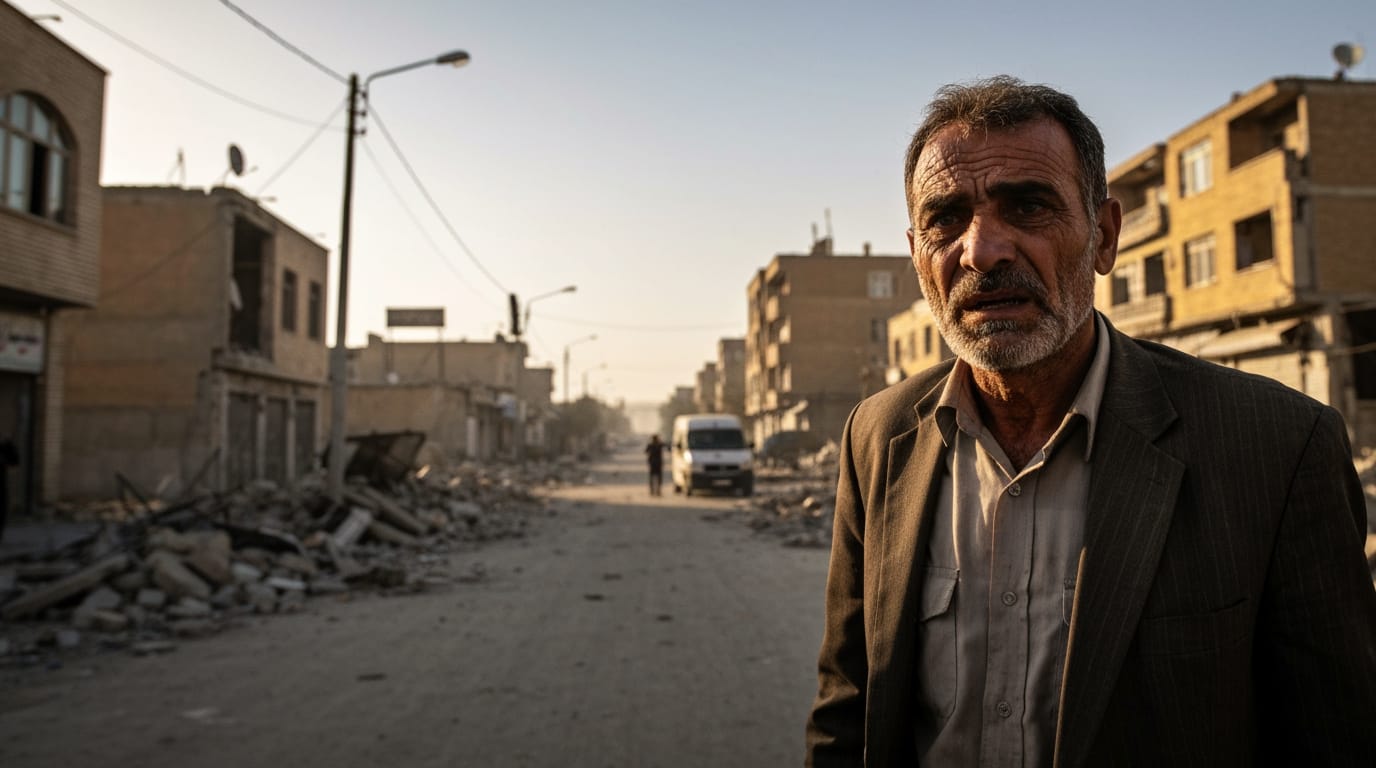
The specter of a prolonged, open-ended conflict, reminiscent of previous engagements in Afghanistan and Iraq, now casts a long shadow over the escalating tensions between the United States and Iran. Recent military confrontations, characterized by collapsed ceasefires and expanding airstrikes, have led many analysts to question whether the U.S. is stumbling into its next "forever war" in the Middle East, a region already scarred by decades of intermittent warfare and geopolitical rivalries. The current environment, marked by an absence of clear, achievable objectives and viable exit strategies, suggests a trajectory toward sustained engagement with profound implications for both nations and global stability.
A Cycle of Mistrust and Military Escalation
The relationship between the United States and Iran has been defined by a deep-seated mistrust stretching back to the 1979 Islamic Revolution. Decades of sanctions and proxy confrontations have shaped a complex dynamic, punctuated by periods of intense hostility. A significant turning point arrived with the 2015 Joint Comprehensive Plan of Action (JCPOA), an international agreement designed to curb Iran's nuclear ambitions in exchange for sanctions relief. However, the U.S. withdrawal from the JCPOA in 2018 and the subsequent re-imposition of sweeping economic sanctions by the Trump administration reignited tensions, setting the stage for the current crisis.
In recent months, military exchanges between U.S. forces and Iranian-backed groups, as well as direct actions against Iranian assets, have escalated significantly. Ceasefires, once brokered, have repeatedly crumbled, leading to renewed military activity. For example, a two-week ceasefire that ended on April 8, 2026, saw a brief lull, but hostilities quickly resumed. Analysts suggest that despite initial claims of a decisive victory within weeks, the conflict has proven far more intractable, with neither side achieving its publicly stated objectives, such as regime change in Iran or the definitive end of its nuclear program. The persistent lack of a clear endgame for U.S. involvement fuels concerns that the current strategy could lead to an enduring, costly military engagement.
The Economic and Humanitarian Repercussions
The escalating conflict and the extensive sanctions regime have imposed a severe economic and humanitarian toll, impacting both the United States and Iran, and radiating across the global economy. For the U.S., the direct costs of the conflict have manifested in elevated fuel prices, snarled supply chains, and decimated energy infrastructure. The disruption of crucial maritime routes, such as the Strait of Hormuz, through which a significant portion of global oil and liquefied natural gas passes, has had immediate and far-reaching consequences for energy markets. Retail gasoline prices have seen substantial increases, and the cascading economic fallout extends to rising food and fertilizer costs, threatening to exacerbate global inflation. Economic forecasts indicate a risk of stagflation in the U.S.—a combination of high inflation and stagnant growth—with central banks facing difficult decisions regarding interest rates in the face of these inflationary pressures.
Within Iran, the economic isolation imposed by international sanctions has been devastating. The country's economy has been significantly impacted, with GDP projected to fall by more than 10 percent in a prolonged conflict scenario. Sanctions have severely restricted Iran's ability to trade oil and access the international financial system, contributing to massive inflation and widespread protests.
Beyond economic figures, the humanitarian impact on the Iranian populace is profound. Despite provisions for humanitarian exemptions in sanction regimes, the broad nature of economic sanctions, particularly those affecting the global banking system, has severely restricted Iranians' access to essential healthcare and medicines. International banks and companies often engage in "over-compliance," avoiding even humanitarian transactions due to fears of penalties and legal risks. This has led to critical shortages of drugs for treating various illnesses, including cancer, heart problems, and rare conditions like epidermolysis bullosa (EB), causing immense suffering for vulnerable groups. The challenges were further compounded during the COVID-19 pandemic, as sanctions hindered Iran's ability to manage the health crisis and acquire necessary vaccinations.
Iran's Regional Influence and Proxy Network
A key component of the enduring U.S.-Iran dynamic is Iran's extensive network of regional proxies. Over the past four decades, Iran has cultivated and supported a range of allied fighting forces across the Middle East, including Hezbollah in Lebanon, Houthi rebels in Yemen, and various groups in Iraq, Syria, and the Palestinian territories. The Islamic Revolutionary Guard Corps' Quds Force serves as the primary conduit, providing these groups with training, weaponry, and financial support to advance Iranian regional objectives.
These proxy forces act as a significant projection of Iranian power, challenging U.S. interests and those of its allies, particularly Israel and Saudi Arabia, with whom Iran is engaged in a broader proxy rivalry. The activities of these groups contribute to regional destabilization, as seen in the Houthi movement's disruption of international shipping in the Red Sea and the Bab el-Mandab strait, which they have used to target commercial vessels in solidarity with Palestinian groups. This intricate web of alliances and rivalries ensures that any direct conflict between the U.S. and Iran inevitably draws in multiple regional actors, further complicating prospects for de-escalation and making a clear resolution exceedingly difficult.
Conclusion: An Undefined Path Forward
The escalating tensions and military engagements between the United States and Iran, coupled with the profound economic and humanitarian consequences, paint a concerning picture of a conflict without a foreseeable end. The current situation embodies many characteristics of previous "forever wars," particularly the absence of clearly defined and achievable objectives, a discernible endgame, or a viable exit plan for the United States.
As diplomacy falters and military operations continue, the multifaceted challenges—ranging from global energy market disruptions and domestic inflationary pressures in the U.S. to humanitarian crises in Iran and complex regional proxy conflicts—suggest that the path forward remains fraught with peril. Without a fundamental shift in strategy toward a clearer, more defined approach, the risk of the U.S. becoming entangled in another prolonged and costly "forever war" in Iran appears increasingly substantial, carrying with it an enduring legacy of instability and suffering.


