The Silent Scars of Halabja: Decades Later, Massacre Survivors Grapple with Widespread Unrecognized Trauma
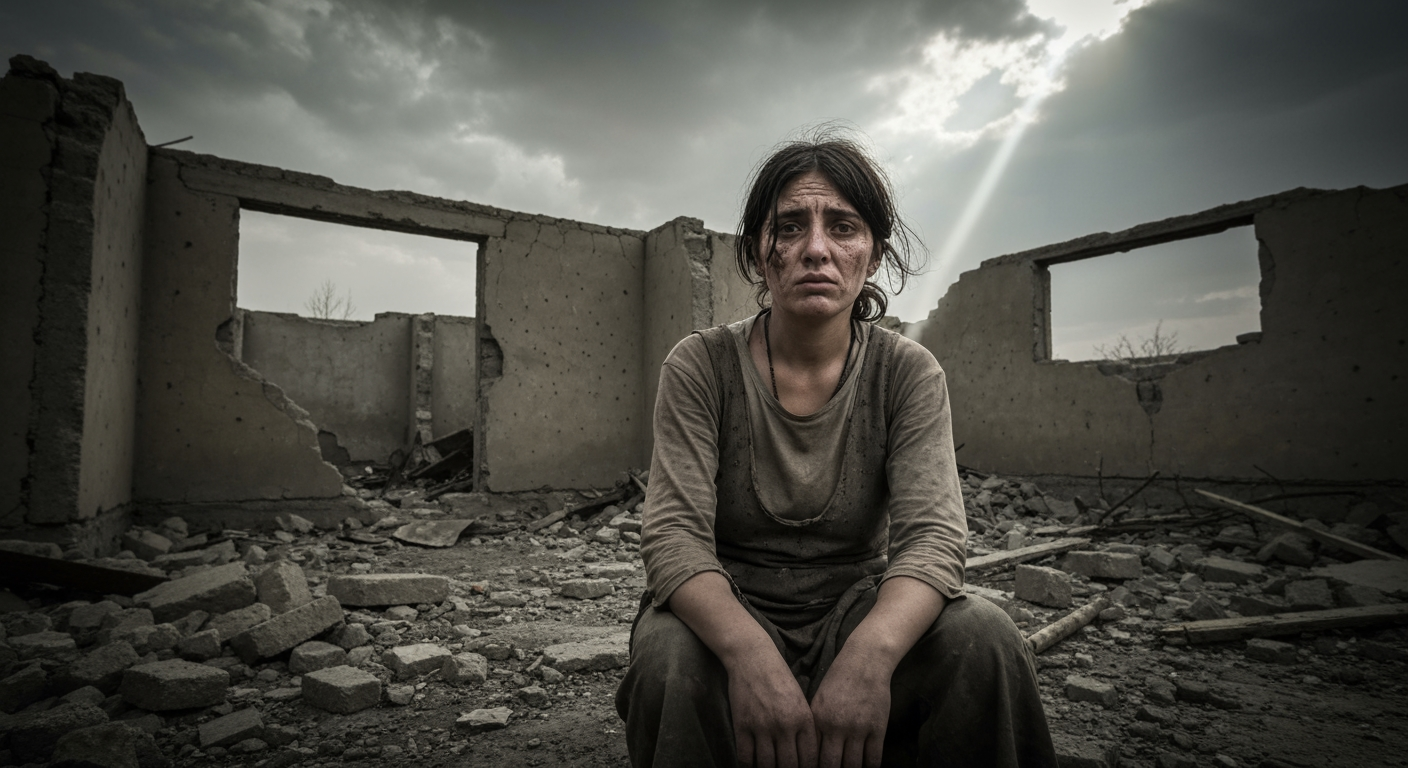
More than three decades after the horrific chemical attack on Halabja, the physical wounds may have scarred over for many, but the invisible psychological toll continues to afflict a vast majority of its survivors. What was once dismissed or undiagnosed has emerged as a pervasive mental health crisis, with recent studies revealing alarmingly high rates of Post-Traumatic Stress Disorder (PTSD) among those who endured the 1988 assault, highlighting a long-neglected legacy of suffering that demands urgent attention and comprehensive support.
The Shadow of Chemical Warfare: A Legacy of Physical and Psychological Devastation
On March 16, 1988, the Kurdish city of Halabja became the site of the largest chemical weapons attack against a civilian population in history. Iraqi regime forces unleashed a lethal cocktail of mustard gas, sarin, tabun, and VX nerve agents, instantly claiming the lives of an estimated 3,200 to 5,000 people, predominantly women and children, and injuring another 7,000 to 10,000. This act of calculated brutality, carried out during the Anfal campaign—a genocidal operation targeting the Kurdish people—left an indelible mark on the region and its inhabitants. In 2010, the attack was officially recognized as a genocidal massacre against the Kurdish people.
Beyond the immediate carnage, the chemical agents inflicted a litany of long-term physical ailments. Survivors have contended for decades with significantly increased rates of cancer, severe respiratory conditions, chronic skin and eye problems, and reproductive disorders, including higher instances of miscarriages and birth defects. These persistent health issues serve as a constant, painful reminder of that harrowing day, compounding the profound psychological trauma experienced by the community.
The Unseen Battle: Pervasive PTSD and Mental Health Challenges
While the physical wounds are evident, the psychological impact has often remained an "unrecognized pain." Research conducted decades after the attack paints a stark picture of a population deeply scarred by trauma. A recent study, involving over 500 Halabja survivors, found that nearly 79% met the diagnostic criteria for PTSD, with approximately 65% experiencing clinically significant depression or anxiety. Another study reported a PTSD prevalence rate of 46.78% and depression at 45.87% among a sample of survivors. These figures far exceed global averages for trauma-exposed populations, underscoring the severity and persistence of the trauma.
The symptoms of PTSD in Halabja survivors manifest not only as intrusive memories, flashbacks, and heightened anxiety, but also frequently as severe somatic complaints. Many report chronic headaches, debilitating back pain, and pervasive fatigue, illustrating how trauma can embed itself physically within the body and refuse to fade with time. This embodied trauma can complicate diagnosis and treatment, as physical ailments are often prioritized over their psychological underpinnings.
Vulnerabilities and Compounding Traumas
The mental health burden is not evenly distributed among the survivor community. Studies indicate that women, individuals with lower incomes, and those with less education are particularly vulnerable to higher levels of psychological distress. This disparity points to socio-economic factors and existing societal inequalities exacerbating the impact of the initial trauma. Furthermore, the cumulative nature of trauma plays a significant role. Many Halabja residents did not experience a single traumatic event but rather a series of horrors, including displacement, witnessing widespread violence, and the loss of multiple family members. Each additional traumatic experience amplifies vulnerability to long-term psychological dysfunction. This multi-layered trauma often means that recovery is a complex, ongoing process, not a singular event.
A Critical Gap in Care: The Struggle for Mental Health Support
Despite the overwhelming need, access to adequate mental healthcare for Halabja survivors remains critically limited. A significant gap exists in the provision of mental health services, with some reports indicating that fewer than 17% of those suffering from severe psychological conditions receive psychotropic medications. This deficit is not merely a matter of resources but also stems from a lack of culturally sensitive services and a limited understanding of the specific needs of a population exposed to chemical warfare and genocide.
Organizations such as the Jiyan Foundation for Human Rights have stepped in to provide medication and psychotherapy, recognizing the multi-generational impact of the trauma and offering support to both survivors and their descendants. However, the scale of the crisis necessitates a broader, more integrated approach that includes official recognition, sustained support programs, and robust social safety nets. The call for action extends to ensuring that mental health services are accessible, affordable, and tailored to the unique cultural context of the Kurdish community.
Rebuilding Lives Amidst Lingering Pain: A Call for Recognition
The enduring psychological scars of the Halabja massacre serve as a powerful testament to the long-reaching consequences of chemical warfare and mass atrocities. The survivors, who have bravely carried their pain for decades, represent not just statistics but individual stories of profound struggle and remarkable resilience. Their daily lives are a testament to the fact that trauma does not simply disappear; it transforms and becomes intertwined with the fabric of existence.
Recognizing and addressing this widespread, often unrecognized, pain is crucial for healing and justice. The international community, alongside local authorities, faces the ongoing challenge of providing comprehensive, sustained mental health and social support to those who continue to live under the shadow of Halabja. Only through such dedicated efforts can the world truly acknowledge their suffering and support their journey toward enduring peace of mind.
Related Articles


Skull Bone Marrow Reveals Hidden 'Immune Hubs,' Reshaping Brain Defense Paradigm
ST. LOUIS, MO – In a discovery poised to fundamentally alter our understanding of brain immunity, scientists at Washington University School of Medicine in St. Louis have identified previously unrecognized lymph...


Unpacking the Link: How Dietary Fats Influence Colorectal Cancer Risk
Colorectal cancer, a significant global health concern, is increasingly linked to modern dietary habits, with particular attention turning to the role of fatty foods. While the relationship is complex and nuanced,...