The Silent Struggle: How Child Abuse Impacts Future Parenthood
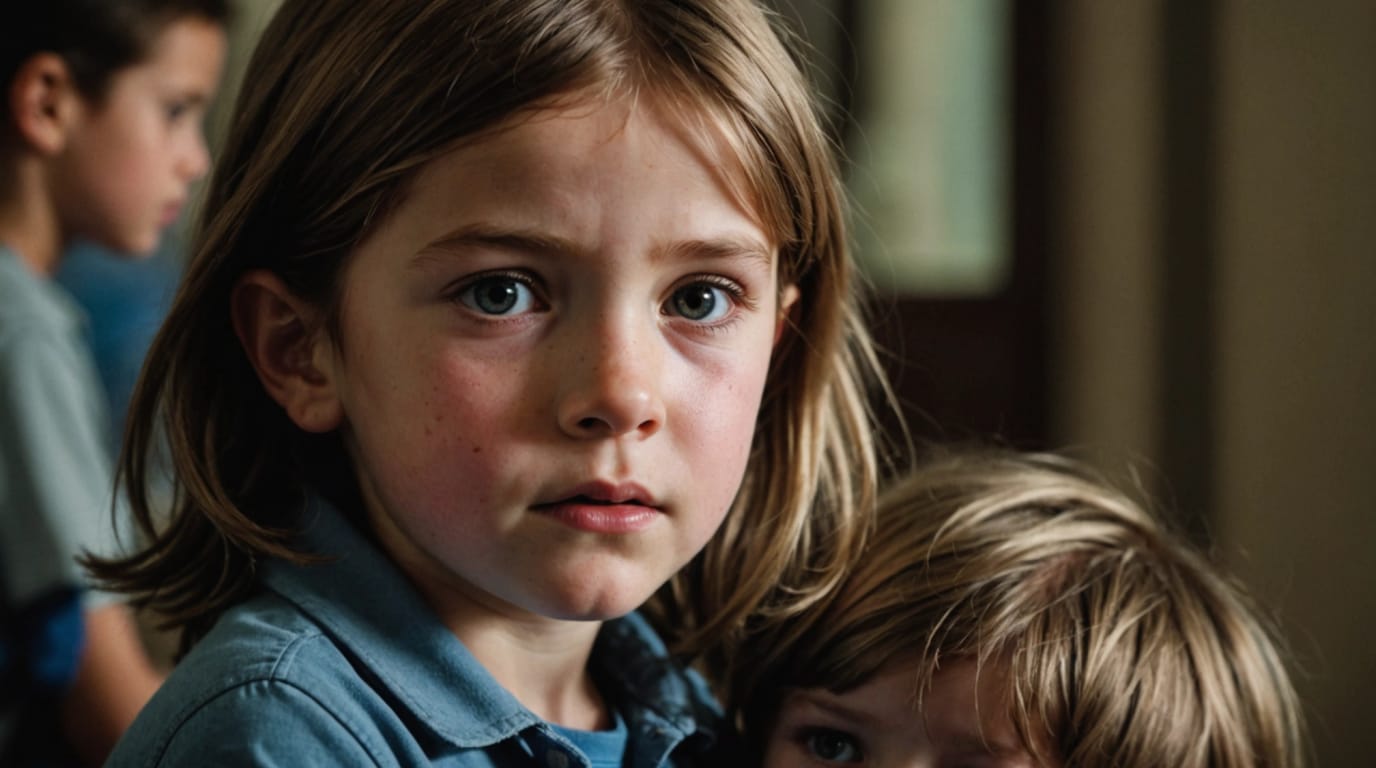
Child abuse casts a long shadow, its effects rippling through the lives of survivors and potentially impacting their ability to parent their own children. While many survivors become loving and nurturing parents, the trauma they experienced can create unique challenges, influencing their parenting styles, mental health, and relationships with their children. Understanding these challenges is crucial to providing support and breaking the cycle of intergenerational trauma.
The Intergenerational Cycle of Trauma
The concept of intergenerational trauma, also known as the "trauma cycle," describes how trauma can be passed down through generations. According to the Centers for Disease Control and Prevention (CDC), at least 1 in 7 children in the United States experienced abuse or neglect in the last year, experiences that can significantly increase the chances of the cycle repeating. This doesn't mean that all survivors will become abusive parents, but research indicates they are at a higher risk compared to those without such experiences. Trauma can affect how a parent interacts with their children, the behaviors and patterns children observe, and even through genetics or DNA. Unresolved trauma can lead to difficulties in understanding healthy parent-child relationships, potentially causing survivors to replicate the abuse they suffered.
Challenges in Parenting
Survivors of child abuse may face several difficulties in parenting. These can include:
- Attachment and Bonding Difficulties: Abuse can disrupt attachment patterns, leading to insecure or disorganized attachment styles. As adults, survivors may struggle to form healthy, trusting attachments with their own children.
- Boundary Issues: Some survivors may have difficulty maintaining appropriate boundaries with their children, either becoming too permissive or overly strict.
- Discipline Styles: Survivors may struggle with discipline, sometimes resorting to harsh or inconsistent methods. Some mothers with a history of sexual abuse may become too permissive, or engage in harsh discipline. Their parenting style may expect children to act more autonomously than their age allows, or they may be less accepting of their children.
- Emotional Regulation: The lasting effects of child abuse can include chronic anxiety, depression, post-traumatic stress disorder (PTSD), and difficulty regulating emotions. These challenges can impact their ability to respond to their children's needs with patience and understanding.
- Fear and Worry: Parents who are survivors of child sexual abuse may experience heightened anxiety and fear about their child being abused. This can also extend to fears about their partner having inappropriate contact with their children.
- Mental Health: Mothers with a history of sexual abuse may experience longer, more intense postpartum depression.
These difficulties can manifest in various ways, such as emotionally withdrawn caregiving behaviors, decreased maternal involvement, and a flattened affect. However, it's important to remember that many survivors are intentional about creating healthy and positive relationships with their children and actively work to break these cycles.
Breaking the Cycle: Resilience and Support
Despite the challenges, it is crucial to emphasize that the cycle of abuse is not inevitable. Many survivors demonstrate remarkable resilience and actively work to create a different future for their children. Several factors can contribute to breaking the cycle:
- Awareness and Education: Understanding the impact of their own trauma is the first step. Recognizing how past experiences influence current behaviors allows parents to make conscious choices to parent differently.
- Therapy and Counseling: Engaging in therapy, particularly trauma-informed therapy, can help survivors process their past, develop coping mechanisms, and learn healthy parenting strategies. Research suggests that parents who engage in therapy and receive support from mental health professionals experience reduced distress and improved coping strategies.
- Support Systems: Having a strong support network of friends, family, or support groups can provide emotional support and practical assistance.
- Parenting Education: Participating in parenting classes or workshops can provide valuable tools and techniques for positive parenting.
- Creating a Safe Environment: Intentionally creating a safe, stable, and nurturing environment for their children can help break the cycle of fear and insecurity. Parents can facilitate an environment of trust and understanding by encouraging discussions about emotions, personal boundaries and safe spaces.
- Self-Care: Prioritizing self-care is essential for managing stress and maintaining emotional well-being.
The Importance of Integrated Support
Research indicates that interventions addressing parenting and mental health needs separately are less effective than integrated approaches. Young mothers with a history of abuse often face numerous barriers, including their own mental health struggles and the uncertainties of young adulthood. Integrated programs that combine mental health services with parenting support are crucial for addressing the intertwined needs of these families. These programs can provide:
- Mental Health Services: Therapy, counseling, and support groups to address trauma, depression, anxiety, and other mental health concerns.
- Parenting Skills Training: Education and guidance on positive parenting techniques, child development, and effective discipline strategies.
- Case Management: Assistance with accessing resources such as housing, childcare, and healthcare.
- Home Visiting Programs: In-home support and guidance from trained professionals.
Resources and Hope
Numerous resources are available to support parents who are survivors of child abuse. These include:
- Mental Health Professionals: Therapists and counselors specializing in trauma and abuse.
- Support Groups: Groups for survivors of child abuse and parents of abused children.
- Online Resources: Websites and online communities offering information, support, and resources.
- National Organizations: Organizations dedicated to preventing child abuse and supporting survivors.
The journey from survivor to parent can be challenging, but with awareness, support, and access to appropriate resources, it is possible to break the cycle of abuse and create a brighter future for the next generation. While parents are in need of support to cope with their own challenges and provide the necessary care for their children, they often face another obstacle – the stigma associated with child abuse. By seeking help, practicing self-compassion, and focusing on creating a nurturing environment, survivors can become the loving and supportive parents they aspire to be.


