The Unsung Architects: German Sports Clubs Thrive on Unique Coaching Culture
German sports clubs, known globally for their deep-rooted community ties and impressive athletic output, owe much of their distinctive character and success to a unique coaching culture. Far beyond mere tactical instruction, coaches in Germany embody roles ranging from mentors and community pillars to educators and personal development facilitators, establishing long-lasting relationships that shape individuals and society alike. This multifaceted engagement, predominantly driven by an extensive network of volunteers, forms the bedrock of "Sportdeutschland" – a vibrant and inclusive sporting landscape.
The very fabric of German club sports, often referred to as "Vereinswesen," is interwoven with the dedication of its coaches. More than half a million individuals across the country hold a coaching license, with a staggering 564,000 officially recognized as coaches or exercise instructors. Their collective contribution extends to approximately 10.8 million hours of voluntary work each month, an effort valued at an impressive 1.95 billion Euros annually. This immense volunteer spirit underpins a system that makes sports accessible and affordable, distinguishing it from many other nations where professionalization often starts at younger ages.
Beyond the Sidelines: Coaches as Community Cornerstones
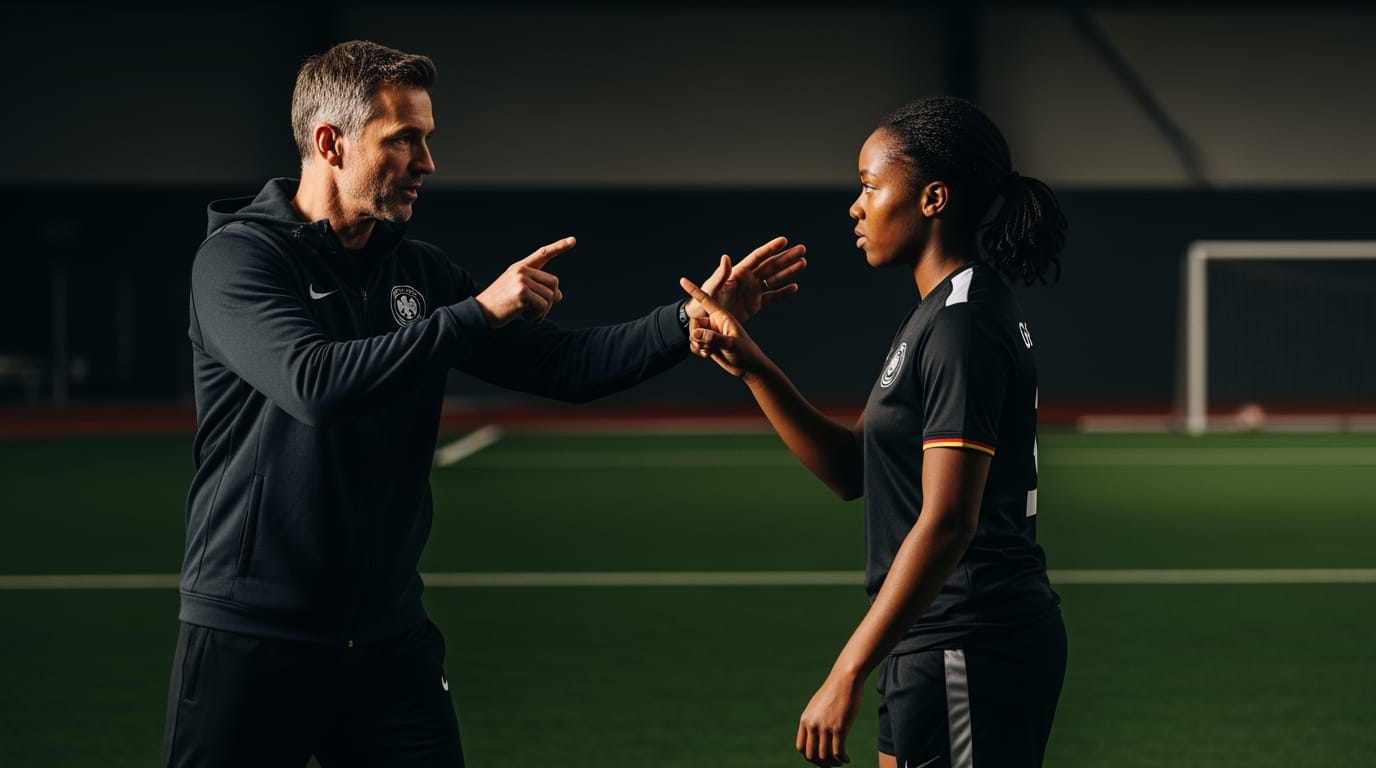
In Germany, the role of a coach transcends the traditional understanding of a trainer focused solely on athletic performance. These individuals are seen as central figures tasked with fostering not only sporting prowess but also personal growth. They instill fundamental values such as fairness, respect, and teamwork, significantly influencing the character development of their athletes. Especially in youth sports, coaches frequently step into a mentorship role, communicating closely with parents and even acting as temporary parental figures, guiding young participants through crucial developmental stages. This holistic approach is not merely incidental but a deeply embedded philosophy. Clubs often prioritize cultivating independence, creativity, and motivation among their young players, preparing them for success both within and beyond the sporting arena. This long-term developmental perspective underscores a commitment to the athlete as a whole person, a distinguishing feature of German sports.
A Structured Path: From Grassroots to Elite Education
The German coaching landscape is further defined by its highly structured and comprehensive education system. Aspiring coaches can pursue various license levels, from C to A, culminating in a Diploma for high-performance sports. These certifications are bifurcated to cater to either grassroots (Breitensport) or elite-level (Leistungssport) athletes, ensuring specialized knowledge and skill sets are developed for different contexts. This rigorous educational framework demands continuous learning, with coaches expected to acquire a deep understanding of sports science, psychology, and pedagogy. At the pinnacle of this system, the UEFA Pro License is a mandatory qualification not just for managing top-tier Bundesliga clubs but also for leading teams in the second and third divisions. This standardized, high-level professionalization throughout the national sports structure ensures that even at lower levels, coaches are equipped with sophisticated methodologies and up-to-date knowledge, contributing to a consistently high standard of training and development across the country. This emphasis on formal qualification is a testament to the respect and importance placed on the coaching profession in Germany.
The Double-Edged Sword: Volunteerism and Professional Challenges
While volunteerism is undeniably the backbone of German sports, this reliance also presents a set of evolving challenges. Despite the significant societal contribution of volunteer coaches, they often face high expectations, particularly in performance sports, coupled with increasing demands from parents in youth leagues. The sheer volume of volunteer hours, while invaluable, can also lead to burnout and a perceived lack of attractiveness in the coaching profession, potentially contributing to a shortage of qualified personnel, especially among women. Professional coaches, though a smaller percentage, also contend with their own set of difficulties, including job instability, short-term contracts often tied to a single Olympic cycle or even just a year, and insufficient financial recognition. Organizations like the "Berufsverband der Trainerinnen und Trainer im deutschen Sport" (BVTDS) advocate for improved working conditions, fairer remuneration, and greater social recognition for coaches, striving to ensure long-term career prospects and enhance the profession's appeal. Balancing the irreplaceable voluntary spirit with the necessity of professional development and fair conditions remains a critical task for the future of German sports.
Societal Impact and Future Imperatives
The influence of German sports clubs and their coaches extends far beyond athletic achievements. These clubs serve as vital social institutions, fostering interaction, community cohesion, and integration across diverse demographics. They are instrumental in youth development, providing structured environments that can mitigate social inequalities and offer a positive, formative experience. The long tradition of German sports clubs, dating back to 19th-century gymnastic and patriotic movements, highlights their enduring role in national identity and social development. In an era where physical activity levels are declining and young people face increased stress, sports clubs, propelled by their dedicated coaches, offer a crucial counter-balance by promoting health, well-being, and social integration. However, to maintain and enhance this vital societal function, continued investment in coach development, improved support structures, and a renewed emphasis on the attractiveness of coaching as a profession are paramount. The unique bond between German sports clubs and their coaches is not just a legacy; it is a dynamic relationship that requires nurturing to continue shaping a healthy, active, and cohesive society.