The Unveiling Crisis: Fake Weddings in Pakistan Signal Profound Cultural Shifts
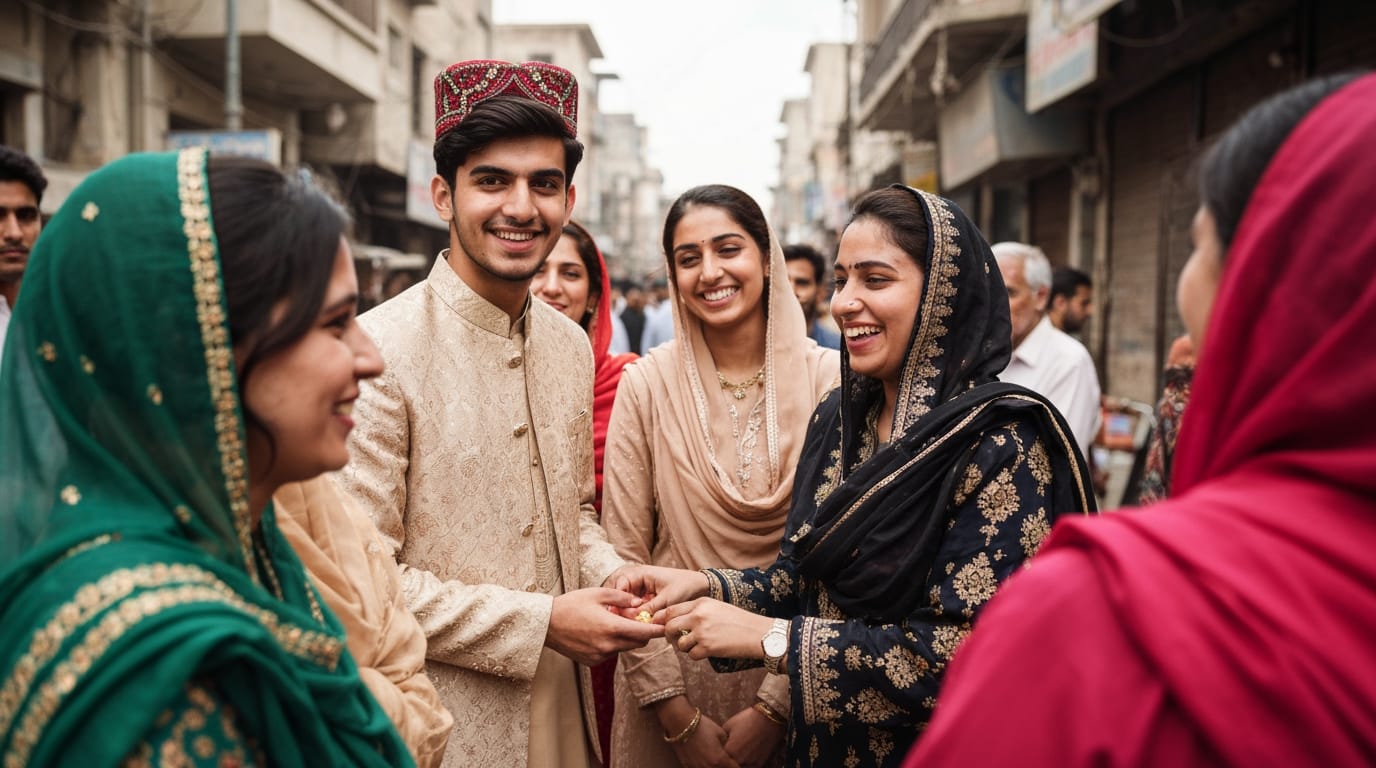
Across Pakistan, the sacred institution of marriage is undergoing a turbulent transformation, with "fake weddings" emerging as a stark indicator of deep-seated cultural shifts. This phenomenon manifests in two critical ways: the alarming rise of exploitative sham marriages driven by economic desperation and human trafficking, and a nascent, though primarily observed in the broader South Asian context, trend of performative, non-committal matrimonial celebrations. Both reflect a society grappling with severe economic pressures, evolving social values, and the sometimes-dark consequences of modernization.
The Shadow of Sham Marriages: Exploitation and Trafficking
A disturbing trend involves vulnerable Pakistani women, often from economically disadvantaged backgrounds and minority Christian communities, being lured into fraudulent marriages with foreign nationals, notably Chinese men. These unions are frequently orchestrated by local agents and corrupt religious figures who exploit families' poverty with promises of financial stability and a better life abroad. However, these hopes often devolve into harrowing realities of human trafficking and exploitation.
Reports indicate that women, once in China, are often subjected to forced prostitution, abuse, or other forms of exploitation. One father recounted his daughter's distress call, revealing she had been deceived and was being forced into prostitution, contradicting the agents' portrayal of her husband as a businessman. These illicit networks reportedly pay between $3,500 and $5,000 for a bride, distributing funds to parents, brokers, and complicit church leaders. Banners advertising "matrimonial ads and incentives for girls who marry into Chinese families" have been displayed in low-income Christian-majority areas, explicitly seeking brides with no education required and promising all expenses covered by the groom. Such predatory practices underscore a severe breach of trust and a breakdown of traditional community protections.
Pakistani authorities have initiated crackdowns, arresting numerous Chinese and Pakistani nationals implicated in these trafficking rings. These arrests highlight the serious criminal nature of these "fake weddings," which prey on the most vulnerable segments of society under the guise of legitimate marital unions. The sheer scale of these operations, with one activist estimating 750 to 1,000 girls married off in a six-month period, points to a systemic crisis.
Economic Desperation: A Driving Force
The prevalence of sham marriages is inextricably linked to Pakistan's escalating economic woes. High inflation, rampant unemployment, and significant income inequality create an environment where traditional marriage costs become an insurmountable burden for many families. The customary expenses associated with weddings, including dowry, housing, and elaborate celebrations, often drive families into debt.
This financial strain causes young adults to delay marriage, as securing stable income and career development often become preconditions. For impoverished families, particularly those with daughters, marrying them off, even under questionable circumstances, can be seen as a way to alleviate economic burdens. The promise of a substantial sum of money, often several thousand dollars, becomes an irresistible lure for parents struggling to make ends meet. This desperation overrides traditional concerns for a daughter's well-being, pushing families into choices with devastating consequences. The economic imperative thus fundamentally alters the marriage landscape, transforming what should be a joyful union into a transactional arrangement fraught with peril.
Evolving Marriage Paradigms in a Modernizing Society
Beyond the criminal aspect, the broader institution of marriage in Pakistan is undergoing a significant cultural re-evaluation. Traditional arranged marriages, once the norm, are being challenged by changing individual preferences and societal advancements. Increased education, exposure to technology, and media have fueled a shift where younger generations prioritize companionship, mutual understanding, and personal choice over caste, family background, or strict age norms.
While traditional extravagant weddings remain a status symbol, they are also a source of immense financial pressure. Many couples and families find themselves taking loans to finance multi-day celebrations, designer clothes, and elaborate rituals, leading to significant stress and debt. This financial burden contributes to delayed marriages, as young individuals strive for economic stability before committing to such an expensive endeavor. The desire for lavish weddings, often fueled by social media and societal expectations, sometimes overshadows the true purpose of marriage, turning it into a competitive display of wealth. This tension between preserving traditional grandeur and adapting to economic realities creates a complex backdrop for modern Pakistani relationships.
The Human Cost and Societal Ramifications
The consequences of these varying "fake weddings" are profound and far-reaching, impacting individuals, families, and the social fabric of Pakistan. Victims of trafficking-related sham marriages often face severe physical and psychological trauma, a loss of dignity, and a future marred by exploitation. These women, some returning pregnant and ostracized, highlight the devastating human cost and the difficult single-parenting roles they are forced into. Such incidents erode trust within communities and expose systemic vulnerabilities that allow criminal enterprises to thrive.
The broader shifts in marriage patterns also present challenges. While delayed marriages can offer opportunities for higher educational attainment and improved career prospects, they can also lead to social pressures, particularly for women who may face age-related biases. The reinterpretation of marriage, whether through desperate measures or evolving social trends, signifies a departure from long-held values concerning family honor, security, and the community's role in matrimonial unions. This era demands a critical examination of traditional norms in light of contemporary economic realities and evolving individual aspirations.
Conclusion: A Society in Transition
The phenomenon of "fake weddings" in Pakistan, whether predatory sham marriages or the less prevalent but culturally significant performative celebrations (as seen in neighboring regions), serves as a potent barometer of a society in flux. Driven by overwhelming economic pressures, a changing perception of marital roles, and the pervasive influence of modernization, the traditional framework of marriage is being stretched to its limits. While the criminal exploitation of vulnerable women demands urgent legal and social intervention, the broader trend of delayed marriages and re-imagined unions reflects a generation striving for autonomy and authenticity amidst financial constraints. This complex interplay of tradition, economics, and aspiration signals a profound cultural shift that will continue to reshape Pakistani society for generations to come.


