Thessaloniki: Echoes of a Lost "Jerusalem of the Balkans"
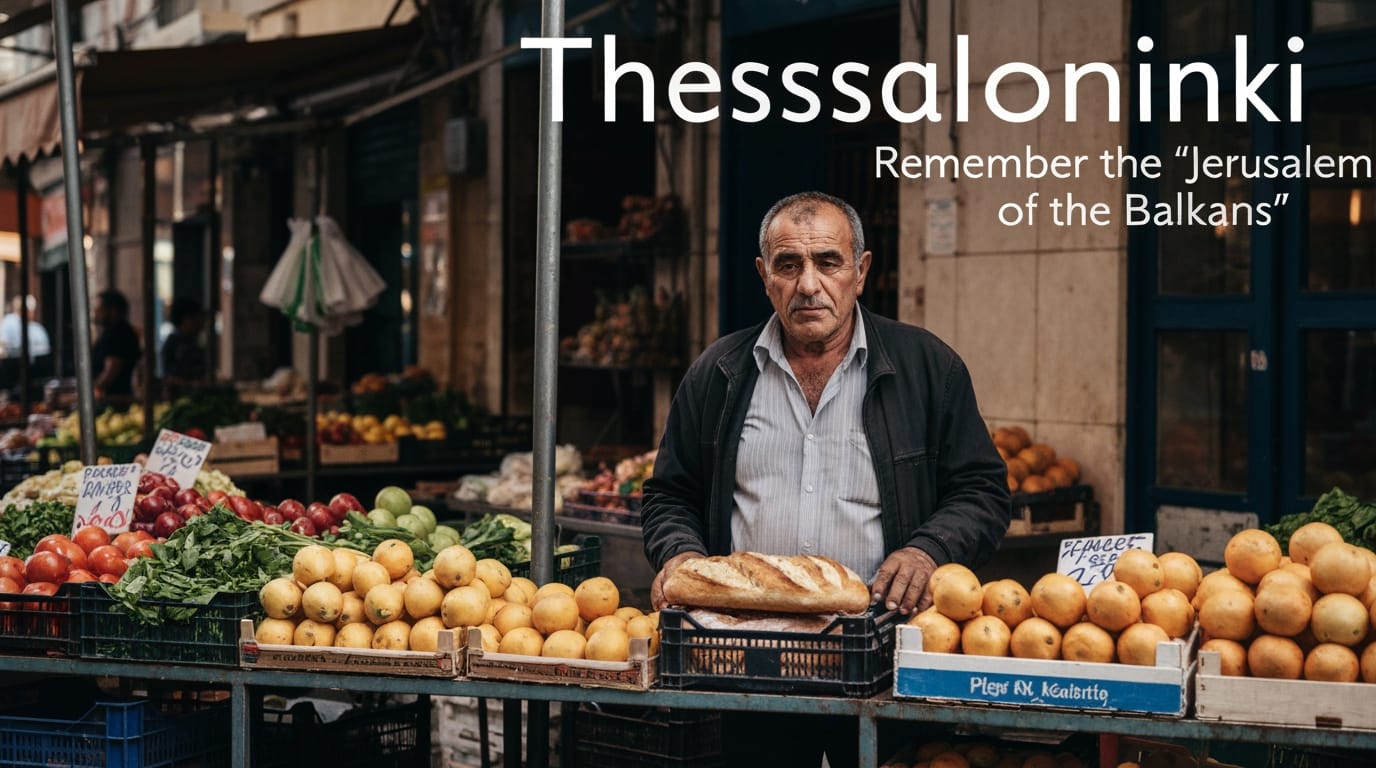
The northern Greek port city of Thessaloniki, once a vibrant crossroads of cultures and faiths, carries the poignant memory of a golden era when it was known as the "Jerusalem of the Balkans." For centuries, this strategic Aegean hub flourished as a unique center of Sephardic Jewish life, its identity deeply intertwined with the rhythms and traditions of a community that profoundly shaped its economic, social, and linguistic landscape. The echoes of this past, though muted by the ravages of war and systematic destruction, continue to resonate in a city now striving to remember and reclaim a critical piece of its complex heritage.
A Vibrant Ottoman Tapestry
The historical narrative of Thessaloniki is incomplete without acknowledging the profound influence of its Jewish population, particularly the Sephardim who found refuge there after their expulsion from Spain in 1492. Welcomed into the Ottoman Empire, these skilled traders and artisans quickly established Thessaloniki as a major economic and cultural powerhouse. By the early 20th century, Jews constituted an astonishing plurality, if not a majority, of the city's inhabitants. Estimates indicate that out of a total population of approximately 120,000 at the turn of the century, some 60,000 to 80,000 were Jewish. This demographic dominance meant that for long stretches, the city's port and markets would observe Jewish holidays, with businesses closing on Saturdays. This unique cultural integration earned Thessaloniki its evocative moniker, signifying its unparalleled importance as a center for Jewish learning, commerce, and community in the Balkan region.
The Rise of a Sephardic Metropolis
The Sephardic Jews of Thessaloniki cultivated a distinctive culture, with Judeo-Spanish, or Ladino, serving as the common language, enriched by elements of Hebrew, Turkish, and Greek. Their community was a testament to resilience and enterprise, boasting numerous synagogues, schools, printing presses, and charitable organizations that fostered a robust intellectual and social life. The city's multi-ethnic character during the Ottoman era was a mosaic of coexisting communities—Jews, Turks, Greeks, Bulgarians, and various Western European populations. However, the Jewish community's sheer size and influence set Thessaloniki apart, making it the only city in Europe where Jews formed the largest ethnic group for an extended period. This flourishing period established Thessaloniki as an intellectual and spiritual beacon for Sephardic Jewry worldwide, cementing its status as the "Jerusalem of the Balkans."
Shifting Sands and Gathering Storms
The turn of the 20th century brought significant geopolitical shifts that began to alter the landscape of Thessaloniki. The decline of the Ottoman Empire and the Balkan Wars culminated in Thessaloniki's integration into the Greek state in 1912. While initially maintaining its unique character, the rise of Greek nationalism and subsequent policies gradually began to challenge the previously dominant position of the Jewish community. A devastating blow came with the Great Fire of August 1917, which swept through the city, destroying much of the historic Jewish quarter, including numerous synagogues and communal archives. This catastrophic event displaced tens of thousands, many of whom were Jewish, and marked a turning point in the community's fortunes, even as they valiantly attempted to rebuild.
The Silence of the Holocaust
The ultimate, irreversible tragedy for Thessaloniki's Jewish community unfolded during World War II. Following the Nazi German occupation of Greece in 1941, the systematic persecution of Jews began. By March 1943, the Nazis initiated mass deportations from Thessaloniki to the Auschwitz-Birkenau concentration camp. In a mere few months, an estimated 48,000 Jews were packed into cattle cars and transported to their deaths, effectively extinguishing a community that had thrived for over 450 years. Before the occupation, the Jewish population stood between 52,000 and 56,000; after the Holocaust, only about 2,000 individuals survived, many through hiding. The vast Jewish cemetery, one of the largest in Europe with an estimated 500,000 burials, was desecrated during the occupation and completely destroyed in 1946, its land subsequently built over, including a university campus. Tombstones were repurposed as construction material, a stark symbol of the eradication of Jewish presence.
A New Chapter of Remembrance
Today, Thessaloniki grapples with the profound legacy of its lost "Jerusalem of the Balkans." Efforts are underway to ensure that this pivotal chapter of its history is neither forgotten nor repeated. Memorials stand as solemn reminders of the immense loss, and educational initiatives aim to foster understanding and combat contemporary antisemitism. A significant undertaking is the construction of a new Holocaust Museum in Thessaloniki, symbolizing a commitment to remembrance and a symbol of a common European culture of remembrance, partly funded by Germany. This museum aims to acknowledge the crimes committed against the 50,000 deported Jews whose fate is an inseparable part of German and Greek history. While the vibrant Sephardic culture that once defined Thessaloniki has largely vanished, the city's commitment to preserving its memory represents a crucial step towards reconciliation and a testament to the enduring human spirit in the face of unspeakable tragedy.


