Thousands Commemorate Mexico's Missing, Demand Action
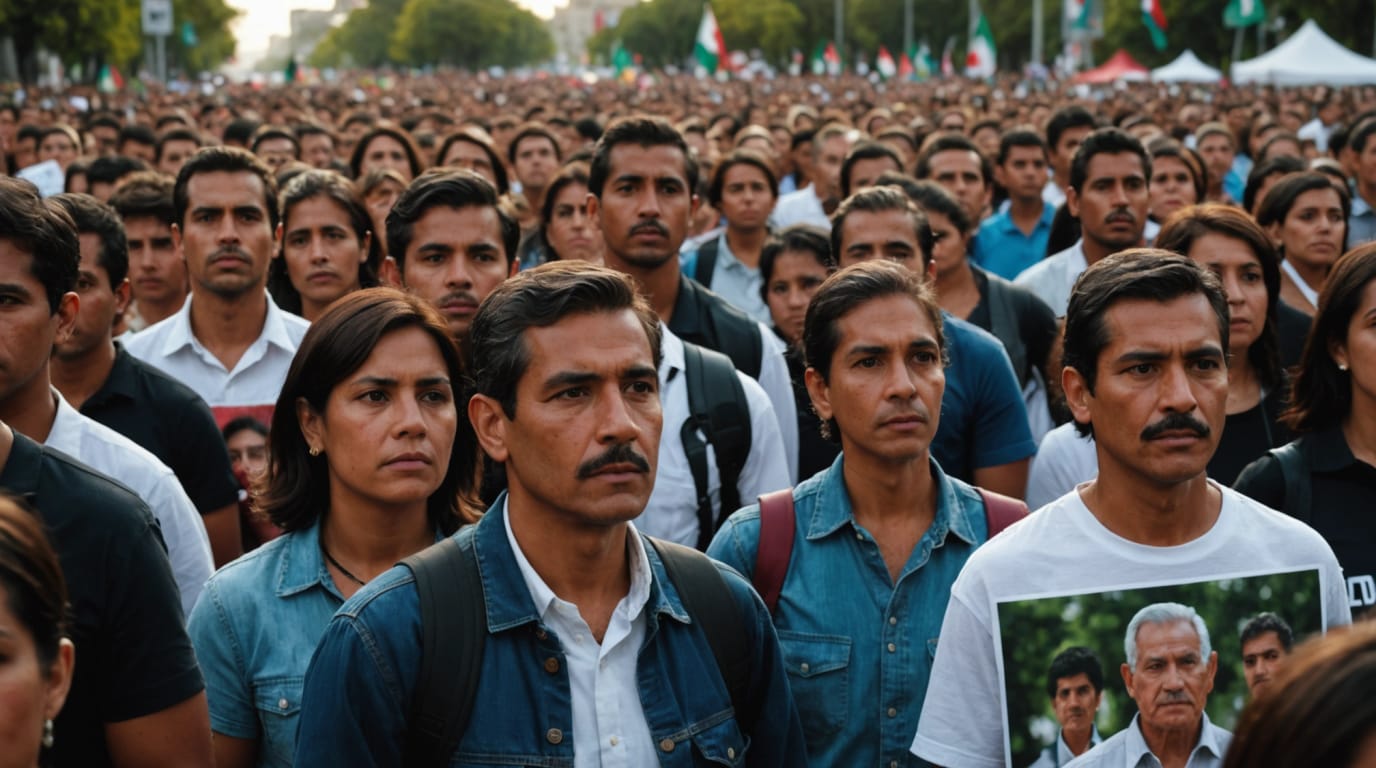
Across Mexico, thousands gathered to commemorate the country's disappeared, marking a somber day of remembrance and renewing calls for government action amid a crisis that has seen over 100,000 people vanish without a trace. Families of the missing, activists, and concerned citizens took to the streets, plazas, and memorial sites, transforming public spaces into displays of grief, solidarity, and unwavering determination to find their loved ones.
The commemorations, held nationwide, underscored the staggering scale of the disappearances crisis in Mexico, a problem exacerbated by drug-related violence, corruption, and impunity. The gatherings served as a stark reminder of the human cost of the crisis, highlighting the pain and uncertainty faced by families who have been left searching for answers, often for years or even decades.
A Nation Grapples with Loss
Mexico's National Registry of Disappeared and Missing Persons has recorded over 100,000 disappearances, a figure that continues to climb. The surge in disappearances began in 2006, coinciding with the escalation of the country's "war on drugs." Under the government of President Enrique Peña Nieto (2012-2018), almost 100,000 people were registered as missing. During the current administration of President Andrés Manuel López Obrador, the total rose further. In 2023 alone, almost 30,000 people disappeared.
The crisis has spawned a network of grassroots search collectives, largely led by mothers, sisters, and wives of the missing. Known as las buscadoras ("the searchers"), these women dedicate their lives to scouring clandestine graves, pushing for investigations, and demanding justice for their loved ones. They often face immense challenges, including threats, intimidation, and a lack of support from authorities.
Commemorations Across the Country
In Mexico City, families marched along Paseo de la Reforma Avenue, carrying banners bearing the faces of their missing relatives. They chanted slogans demanding the return of their loved ones and criticizing the government's perceived inaction. The march culminated at the "Roundabout of the Disappeared," an anti-monument installed by families of the disappeared.
Other events included vigils, art installations, and public forums where families shared their stories and experiences. Many participants wore white shirts and carried photographs of their missing loved ones, creating a visual representation of the immense loss felt across the country.
In Zacatecas, a colonial town north of Mexico City, a group of people gathered in the main plaza to weave a large red cloth, aiming to create 100,000 meters of fabric to represent each of the disappeared. This collective action served as both a memorial and a symbol of solidarity among those affected by the crisis.
Demands for Justice and Accountability
A central theme of the commemorations was the demand for justice and accountability. Families of the missing have long criticized the Mexican government for its failure to adequately investigate disappearances, prosecute perpetrators, and provide support to victims' families.
Many families feel that authorities are not doing enough to find their loved ones and that corruption and impunity are hindering investigations. They are calling for greater transparency, more resources for search efforts, and stronger measures to prevent future disappearances.
Some have criticized President López Obrador's administration for allegedly attempting to downplay the official number of disappeared. This has further fueled distrust and anger among families who feel that their concerns are not being taken seriously.
The Role of International Organizations
International organizations, such as the United Nations and the International Commission on Missing Persons (ICMP), have been working to support Mexico in addressing the disappearances crisis. These organizations provide technical assistance, training, and advocacy to help strengthen the country's capacity to search for the missing, identify remains, and provide justice to victims' families.
The UN's International Day of the Victims of Enforced Disappearances, commemorated annually on August 30th, serves as an important opportunity to raise awareness about the issue and to call for greater international attention and action.
A Long Road Ahead
The commemorations served as a powerful reminder that the search for Mexico's missing is far from over. Families of the disappeared remain committed to finding their loved ones and to holding those responsible accountable.
Despite the challenges they face, these families continue to organize, advocate, and search, driven by a deep love for their missing relatives and a determination to ensure that their stories are not forgotten. Their efforts are a testament to the resilience of the human spirit and a call to action for a more just and equitable society.
The fight to find Mexico's missing is a long and arduous one, but the thousands who gathered to commemorate the disappeared sent a clear message: they will not give up until their loved ones are found and justice is served. The commemorations served as a poignant reminder of the human cost of violence and impunity, and a call for renewed efforts to address the root causes of the disappearances crisis in Mexico.


