Thousands of Indigenous Brazilians March for Land Rights and Protection
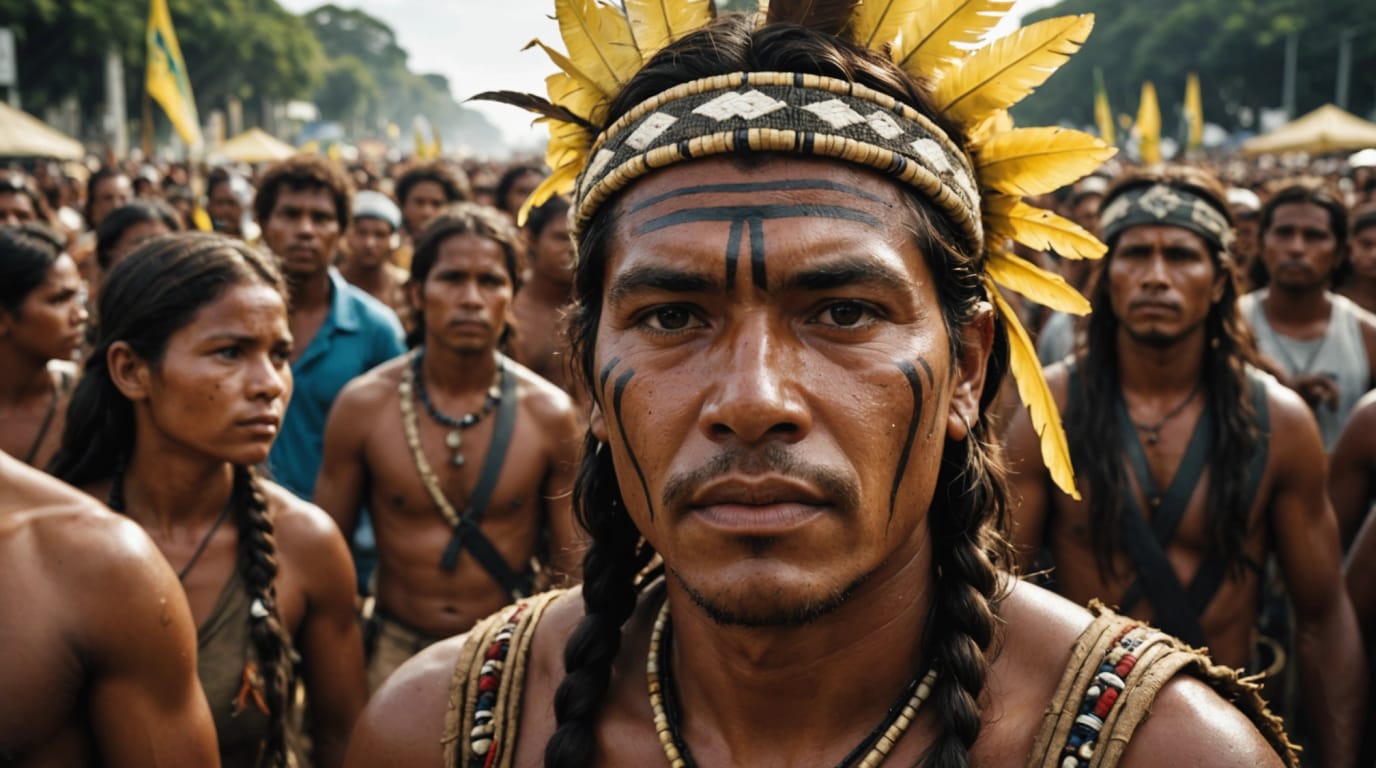
Brasília – Thousands of Indigenous people marched in Brazil's capital this week, demanding increased protection of their ancestral lands and rights. The mobilization comes as Indigenous communities face mounting pressure from illegal mining, deforestation, and legislative threats, raising concerns about their cultural survival and the preservation of vital ecosystems.
Demands for Land Demarcation and Protection
The core demand of the Indigenous groups is the official recognition and demarcation of their traditional lands. They argue that securing land rights is crucial for preserving their cultural identities, traditional ways of life, and the environment. According to data from the 2022 Census, Brazil is home to approximately 1.7 million self-declared Indigenous individuals, belonging to 305 ethnic groups, representing 0.83 percent of the country's total population. These communities are the historical custodians of vast territories, including significant portions of the Amazon rainforest, and play a vital role in protecting biodiversity and combating climate change.
The Indigenous leaders are calling on the government to expedite the demarcation process, which has been slow and fraught with bureaucratic hurdles. They also seek stronger enforcement against illegal activities within their territories, such as mining, logging, and land grabbing, which not only destroy the environment but also threaten the safety and well-being of Indigenous communities.
Protests Against Infrastructure Projects
In addition to land rights, some tribes are protesting against proposed infrastructure projects that they fear will lead to increased deforestation and displacement. One such project is a 950km rail line intended to transport soybeans from Mato Grosso to ports along the Tapajós River, a major Amazon tributary. Indigenous leaders from the Kayapó, Panara, and Munduruku tribes have voiced concerns that they were not adequately consulted about the project and that it will have devastating consequences for the environment and their communities.
These concerns highlight a broader issue of development policies that prioritize economic growth over the rights and interests of Indigenous peoples. The Indigenous groups are advocating for a more sustainable and inclusive approach to development that respects their rights, protects the environment, and promotes their well-being.
Indigenous Authority Revitalized
Amidst these challenges, there are signs of progress. Joenia Wapichana, the president of the national indigenous authority Funai, stated that since President Luiz Inácio Lula da Silva's administration began in 2023, Funai has renewed its institutional commitment to safeguarding Indigenous peoples. This resurgence comes after what she describes as the erosion of policies aimed at indigenous affairs, environmental protection, and assistance for this demographic.
Funai's objectives include solidifying land demarcations, ensuring the preservation and sustainable management of indigenous territories, defending indigenous rights, empowering communities to embark on projects promoting sustainability and well-being, safeguarding traditional ways of life, culture, and language, fostering physical security, and protecting isolated and recently contacted peoples.
International Advocacy and Legal Battles
Recognizing the limitations of domestic avenues, Indigenous leaders are also taking their case to the international stage. Representatives of Indigenous peoples from Latin America and the Caribbean recently used hearings of the Inter-American Court of Human Rights (IACHR) to denounce rights violations targeting native peoples. They highlighted the urgent need to demarcate Indigenous lands and the failure to comply with Convention 169 of the International Labor Organization (ILO), which guarantees the right to prior consultation.
These efforts aim to pressure the Brazilian government to comply with its international obligations and to ensure greater protection for Indigenous rights. The legal battles are often protracted and complex, but they represent a crucial avenue for seeking justice and redress for historical injustices.
A Fight for Cultural Survival and Environmental Protection
The struggle of Indigenous peoples in Brazil is not just about land rights; it is a fight for cultural survival and environmental protection. Indigenous communities possess unique knowledge and traditions that are essential for preserving biodiversity and combating climate change. Their traditional ways of life are deeply intertwined with the environment, and their stewardship of the land has proven to be highly effective in protecting forests, rivers, and other natural resources.
As Brazil moves forward, it is imperative that the government prioritize the rights and interests of Indigenous peoples. This requires not only securing their land rights and protecting them from violence but also ensuring their meaningful participation in decision-making processes that affect their lives and territories. The future of Brazil's Indigenous communities, and indeed the health of the planet, depends on it.


