Tinubu's Nigeria: A Nation Grappling with Deepening Crises
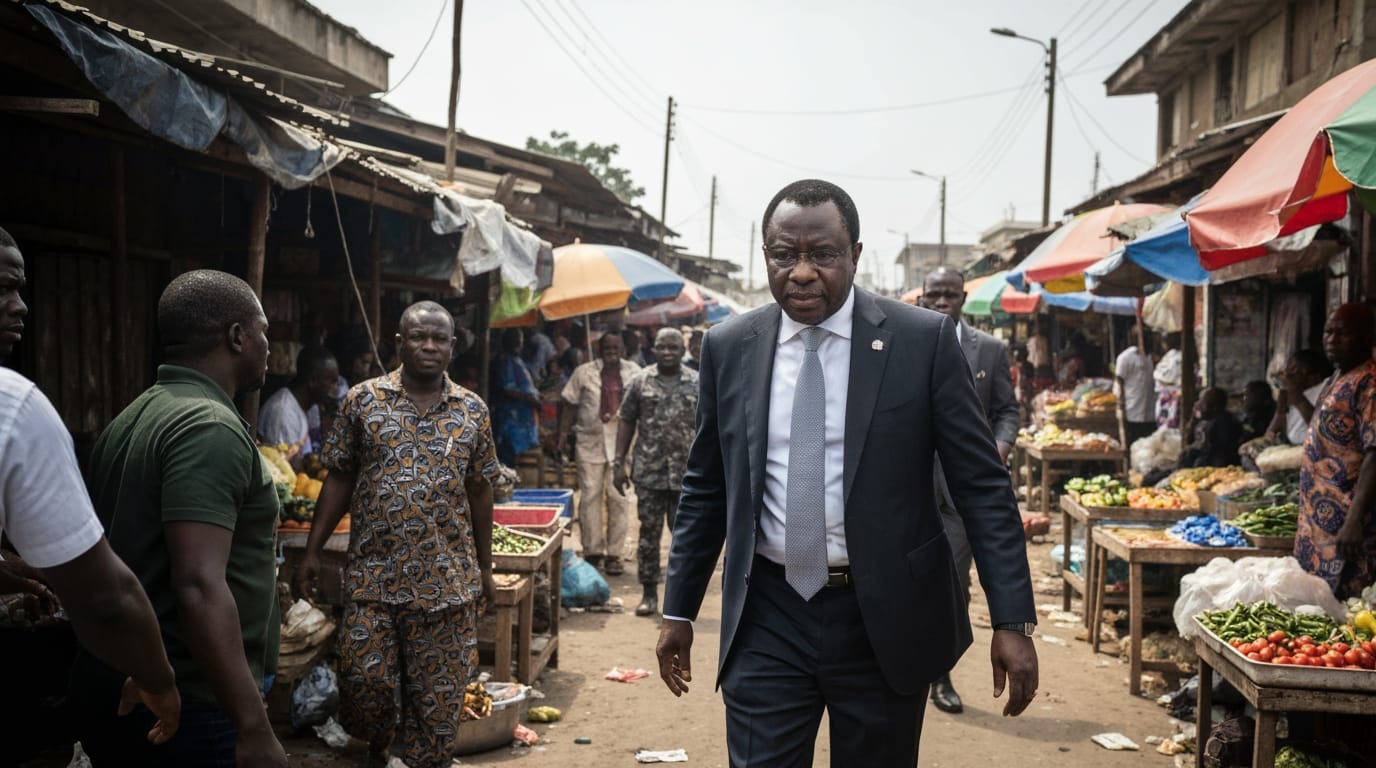
Abuja, Nigeria – Less than a year into his tenure, President Bola Ahmed Tinubu faces an formidable dual challenge: a nation under siege by escalating insecurity and an economy reeling from bold, yet painful, reforms. Since assuming office in May 2023, Tinubu's administration has grappled with deeply entrenched issues that threaten the stability and welfare of Africa's most populous country, leading to widespread public frustration and a critical test of his leadership.
The Pervasive Shadow of Insecurity
Nigeria continues to battle a complex and overlapping security crisis characterized by a relentless surge in terrorism, banditry, and mass kidnappings across various regions. President Tinubu himself has acknowledged insecurity, particularly in the northern regions, as his most troubling challenge. The primary terrorist threat emanates from Boko Haram and the Islamic State West Africa Province (ISWAP), predominantly active in the North-East states of Borno, Yobe, and Adamawa. These groups regularly launch attacks on military bases, civilians, and critical infrastructure, contributing to significant displacement and a humanitarian crisis.
Beyond the long-standing terror groups, a parallel and equally devastating threat comes from armed bandit groups, especially in the North-West and North-Central regions. Banditry, encompassing armed robbery, murder, rape, cattle rustling, and large-scale kidnappings for ransom, has become a pervasive scourge. Estimates suggest the presence of approximately 30,000 bandits operating across numerous groups in the North-West alone. The human cost of this violence is staggering; between June 2020 and April 2023, at least 12,576 Nigerians were killed, and 7,226 abducted in over 3,300 violent incidents. Banditry accounted for 13,485 deaths between 2010 and May 2023. More recently, between June 2023 and July 2024, a distressing 7,568 people were abducted in approximately 1,130 reported cases, with over N1 billion reportedly paid in ransom by families. Mass abductions, often targeting schoolchildren, have seen a worrying escalation, with over 7,400 individuals abducted in such incidents in 2024.
Further complicating the security landscape are persistent farmer-herder clashes in the central belt, frequently exacerbated by ethno-religious tensions and criminal elements, and separatist agitations in the South-East by groups like the Indigenous People of Biafra (IPOB). The Niger Delta also continues to grapple with militancy and rampant oil theft. Despite the government's claims of some successes in degrading terror groups and dismantling bandit strongholds, and President Tinubu's directive to the military to take decisive action, insecurity remains a significant concern for many Nigerians. The pervasive nature of these threats has led to a climate of fear, disrupted local economies, and severely eroded public trust in state institutions.
Economic Reforms and Widespread Hardship
The political crisis in Nigeria is inextricably linked to the country's severe economic challenges, particularly the "worst cost of living crisis in a generation" impacting ordinary Nigerians. A cornerstone of President Tinubu's economic agenda was the immediate removal of the long-standing petrol subsidy, announced during his inauguration in May 2023. This policy, aimed at halting the fiscal drain of approximately $10 billion spent on subsidies in 2022, instantly led to a more than 200% increase in petrol prices, from ₦189/liter to ₦557/liter.
The government's rationale behind this drastic measure was to save trillions of naira and redirect these funds towards essential sectors like education, healthcare, and infrastructure. Indeed, the removal reportedly saved over ₦1 trillion within just two months. However, the immediate impact on households and businesses has been severe. The spike in fuel prices directly translated into soaring transportation costs, which in turn drove up the prices of food and other basic necessities. Headline inflation reached 32.15%, with food inflation climbing even higher to 37.52%, rendering many essential goods unaffordable for a significant portion of the population.
Further compounding the economic strain was the harmonization and liberalization of the foreign exchange market, which led to a steep depreciation of the naira and intensified inflationary pressures. Critics argue that these reforms were poorly sequenced and lacked adequate cushioning measures to protect vulnerable citizens, leading to widespread frustration and public protests. Organizations like the World Bank and the International Monetary Fund (IMF) have acknowledged the necessity of these reforms for long-term stability but have also advised on the need for support measures to mitigate their short-term impact. President Tinubu has admitted the reforms have come at a steep cost, acknowledging the pressures on families and businesses, but maintains they are necessary to stabilize the economy and ensure future prosperity.
Governance, Corruption, and the Quest for Stability
Beyond the immediate crises, Nigeria faces persistent challenges in governance and the fight against corruption, which significantly impede its progress. Corruption remains pervasive across key sectors, including the crucial petroleum industry, undermining economic growth, eroding public trust, and deterring investment. While the Tinubu administration has initiated measures, such as establishing a CBN compliance department and recovering stolen funds, systemic challenges persist. Nigeria's governance score declined by -1.4 since 2014, ranking 33rd out of 53 African nations in 2024, highlighting the broader institutional weaknesses.
The 2023 general elections, which brought Tinubu to power, were marred by irregularities and contested results, though ultimately upheld by the courts. Concerns have also been raised about the potential for centralization of power around the presidency and the compromised independence of legislative and judicial bodies. The perception of a government asking citizens to endure severe hardship while expanding its executive with a large cabinet and significant perks has also drawn criticism. Political turmoil, such as the escalating power struggle in Rivers State, further underscores the fragility of Nigeria's political landscape.
The government's long-term strategy for economic recovery hinges on sustaining these reforms, coupled with efforts to increase non-oil revenues through better tax policies and to curb government waste. Protecting vulnerable groups through expanded cash transfer programs and strengthening social safety nets is also deemed crucial.
A Nation at a Crossroads
Nigeria stands at a critical juncture, with its leader facing immense pressure to navigate the nation through a period of profound insecurity and economic distress. The intertwined nature of these challenges means that progress on one front often impacts the other. Restoring peace and security is fundamental to enabling economic activity, particularly in vital sectors like agriculture, which are severely impacted by banditry and farmer-herder conflicts. Similarly, alleviating economic hardship is essential to mitigate social unrest and rebuild public confidence in governance.
The success of President Tinubu's administration will ultimately be judged by its ability to translate its reform efforts into tangible improvements in the daily lives of Nigerians. This requires not only decisive action against criminal elements and prudent economic management but also transparent governance, accountability, and a concerted effort to address the root causes of poverty and insecurity. The path ahead is fraught with difficulties, and the stakes for Nigeria, and indeed for the stability of the wider West African region, remain exceptionally high.


